Political Dynamics and FIFA Leadership
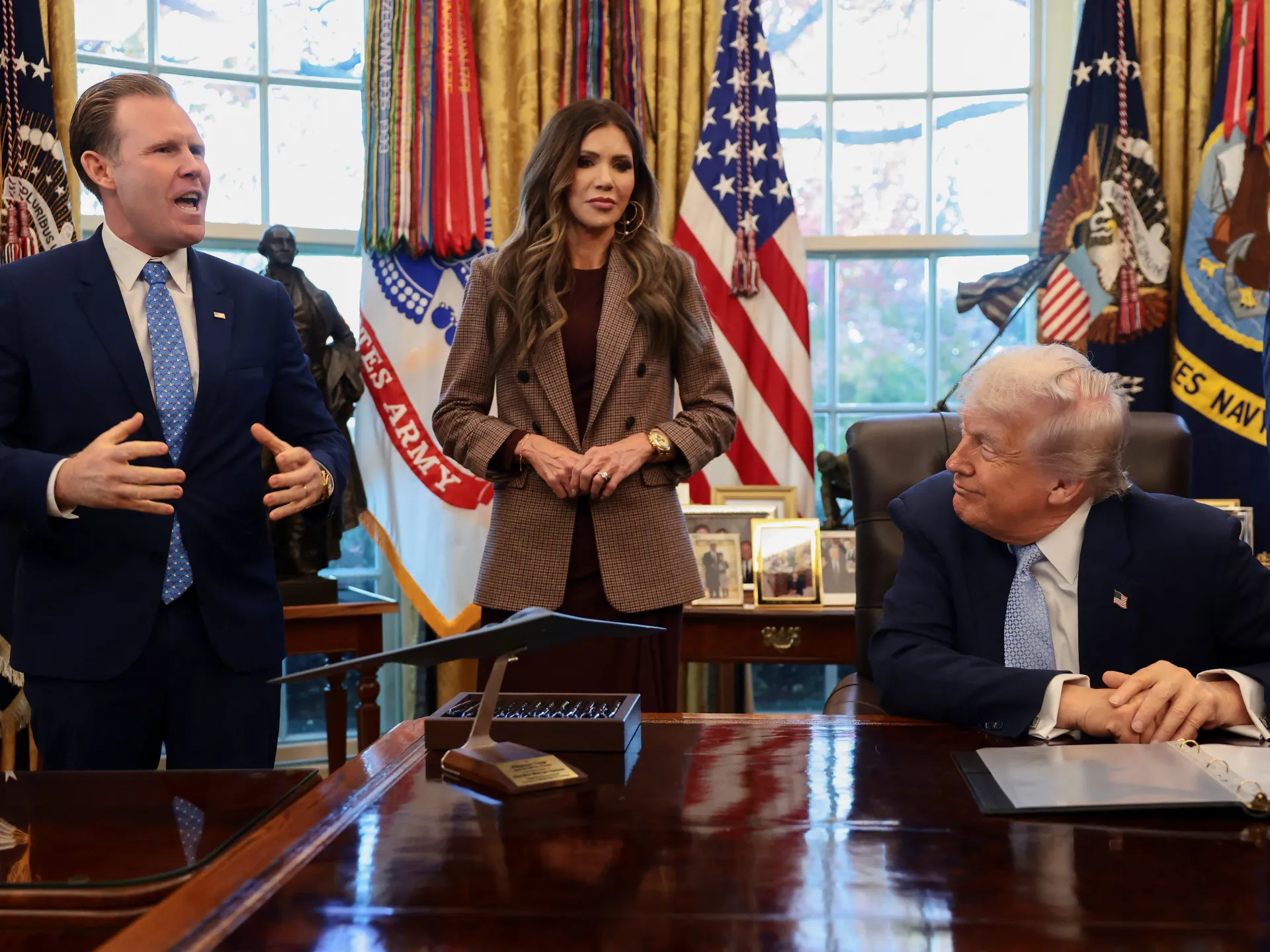
Andrew Giuliani, who served as the executive director for the White House Task Force overseeing the recently concluded World Cup, has publicly come to the defense of FIFA President Gianni Infantino. Giuliani, the son of former New York Mayor Rudy Giuliani, suggested that the widespread criticism directed at Infantino stems from envy and political maneuvering. Infantino has been under scrutiny for his proposal to sell a portion of the World Cup's commercial rights to private investors, a plan he ultimately withdrew in late July following significant opposition. Despite rescinding the proposal, the controversy has reportedly undermined support for his upcoming re-election campaign next year.
Infantino's Vision and Investor Interest
The core of Infantino's controversial plan involved the sale of approximately 20 percent of a new entity, provisionally named FIFA Forward Enterprise (FFE). This entity was intended to manage the commercial and operational aspects of the World Cup and other FIFA-organized tournaments. Notably, Joshua Kushner, brother of presidential son-in-law Jared Kushner and a member of the group that recently acquired the Los Angeles Lakers, was among the prospective investors in FFE.
Giuliani characterized the opposition to Infantino's initiatives as a form of political targeting, drawing parallels to past criticisms faced by former President Donald Trump. "It's politics. I've seen this before," Giuliani stated in an interview with The Athletic. "I've seen it before when they've targeted President Trump from a political perspective. I've seen it before when they've targeted other people." He further elaborated on his view of the motivations behind the criticism, suggesting, "People are jealous when people are very high achievers – and what Gianni Infantino has done for FIFA is he's taken them to a whole new level that probably they didn't think was possible."
Widespread Opposition to the Proposal
The proposed sale of World Cup stakes garnered considerable disapproval from several prominent football organizations globally. Among those who publicly voiced their discontent or indicated their refusal to support Infantino's re-election bid were UEFA, the governing body for European football; CONCACAF, which oversees football in North, Central America, and the Caribbean; and the Asian Football Confederation (AFC). Additionally, national football federations from England, Wales, the Republic of Ireland, and New Zealand were among those expressing their opposition.
Giuliani acknowledged the increasing commercialization of sports but urged critics to consider Infantino's broader contributions to FIFA. "Look, we are all human beings, and I think it's one of those things where sport has become monetized and commercialized," he remarked. He emphasized the importance of evaluating Infantino's overall performance and dedication to organizational improvement. "I would just say that you have got to look at Gianni’s full body of work and to also realize that he’s always trying to improve his organization, and I think that’s the thing … I would look at the body of work and say this is the guy I would want leading."
The debate surrounding Infantino's leadership and strategic decisions highlights ongoing tensions within global football governance, particularly concerning the balance between tradition, commercial growth, and stakeholder interests. While the immediate proposal for selling World Cup stakes has been withdrawn, the underlying discussions about FIFA's financial future and leadership direction are likely to continue as the organization approaches its next presidential election.