
Public Toilet Fees Under Scrutiny in Vienna
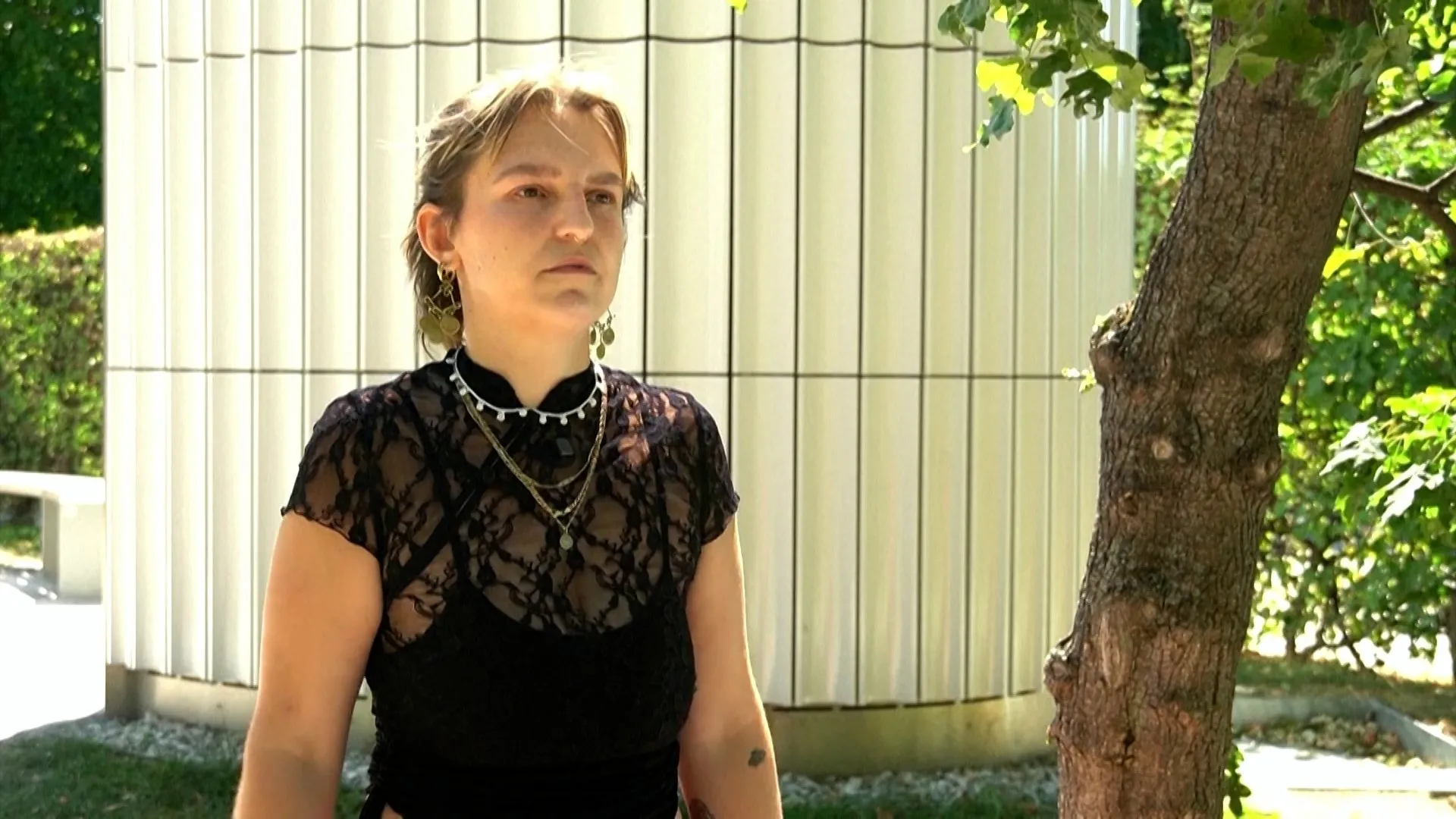
A prominent activist in Vienna has launched a legal challenge against the city's municipal authorities, contending that the current structure of public toilet fees constitutes a form of gender discrimination. The lawsuit highlights a disparity in access to free facilities, specifically pointing out that men often have the option of using urinals without charge, whereas women are invariably required to pay for the use of enclosed cubicles.
The legal action, brought by a concerned citizen, argues that this differential treatment creates an inequitable situation, disproportionately burdening women with costs for a fundamental public service. The activist maintains that while both genders require access to public restrooms, the design and pricing models of these facilities do not offer equal opportunities for free use. This issue, often overlooked in public discourse, raises important questions about urban planning, accessibility, and gender equality in everyday public infrastructure.
The Argument for Gender Discrimination
At the heart of the activist's claim is the observation that many public restroom facilities in Vienna are equipped with urinals that men can use free of charge. In contrast, women, due to biological and societal factors, primarily rely on private cubicles, which are almost universally subject to a fee. This structural difference, the lawsuit asserts, effectively means that women are compelled to pay for a service that men can often access without cost. The activist argues that this is not merely an inconvenience but a systemic form of discrimination that impacts a significant portion of the population.
The legal challenge seeks to compel the city to re-evaluate its policies regarding public toilet accessibility and pricing. It suggests that if free options are available for one gender, similar provisions should be made for the other, or alternatively, a more equitable fee structure should be implemented across the board. The lawsuit emphasizes that essential public services should be designed to serve all citizens equally, without imposing financial barriers based on gender.
Historical Context and Broader Implications
The debate over public toilet access and gender equity is not new, but this legal challenge brings it to the forefront in a specific urban context. Historically, public restrooms have often been designed with a male-centric bias, leading to disparities in waiting times and availability for women. The current lawsuit in Vienna adds a financial dimension to this ongoing discussion, highlighting how design choices can translate into real-world costs for different demographic groups.
Beyond the immediate financial aspect, the case also touches upon the broader implications of urban infrastructure on daily life. Access to clean, safe, and affordable public restrooms is a critical component of public health and urban mobility, particularly for individuals who spend extended periods outside their homes, such as commuters, tourists, and those working in public spaces. When such access is unevenly distributed or priced, it can affect participation in public life and contribute to feelings of exclusion.
Potential Outcomes and Future Considerations
The outcome of this lawsuit could have significant repercussions not only for Vienna but potentially for other cities grappling with similar issues. If the court rules in favor of the activist, it could set a precedent requiring municipal authorities to reconsider their public toilet policies to ensure greater gender equity. This might involve redesigning facilities to include more free cubicles, implementing a universal free access policy, or introducing a more balanced fee system that does not disadvantage any particular gender.
Regardless of the specific legal outcome, the case has already succeeded in drawing public attention to a often-overlooked aspect of urban living. It encourages a deeper conversation about how public spaces and services are designed, funded, and utilized, and how these elements can either perpetuate or alleviate existing social inequalities. As cities continue to evolve, the demand for inclusive and accessible public infrastructure will likely grow, making such legal challenges vital in shaping future urban development.
The activist’s legal action underscores the principle that equality should extend to all facets of public life, no matter how seemingly mundane. The availability and cost of public toilets, while a seemingly small detail, reflect larger societal attitudes towards gender equity and public service provision. The resolution of this case will be closely watched by urban planners, gender equality advocates, and citizens alike, as it could signal a shift towards more equitable and thoughtful urban infrastructure design.