White House Report Details Global Transshipment Network
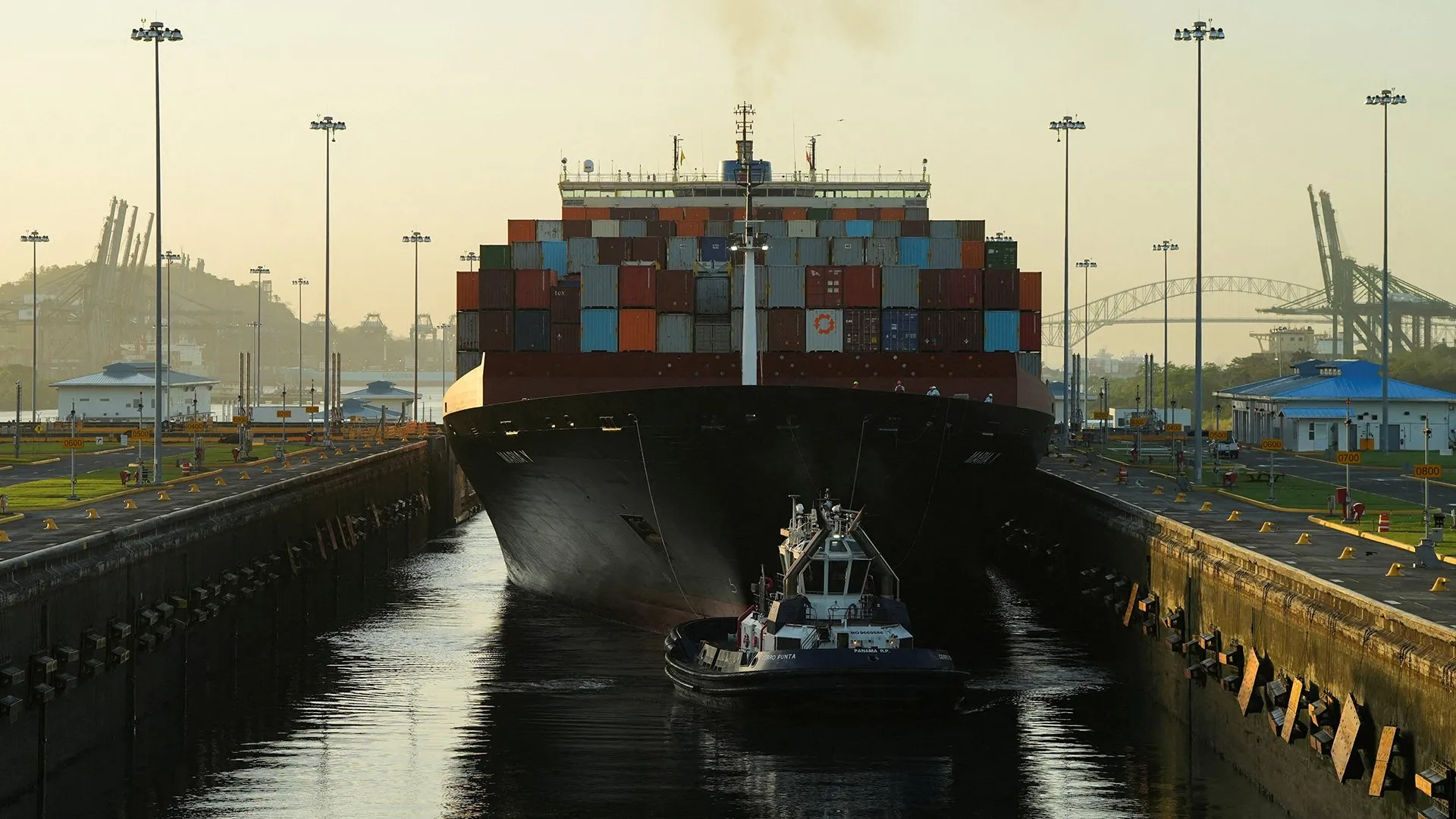
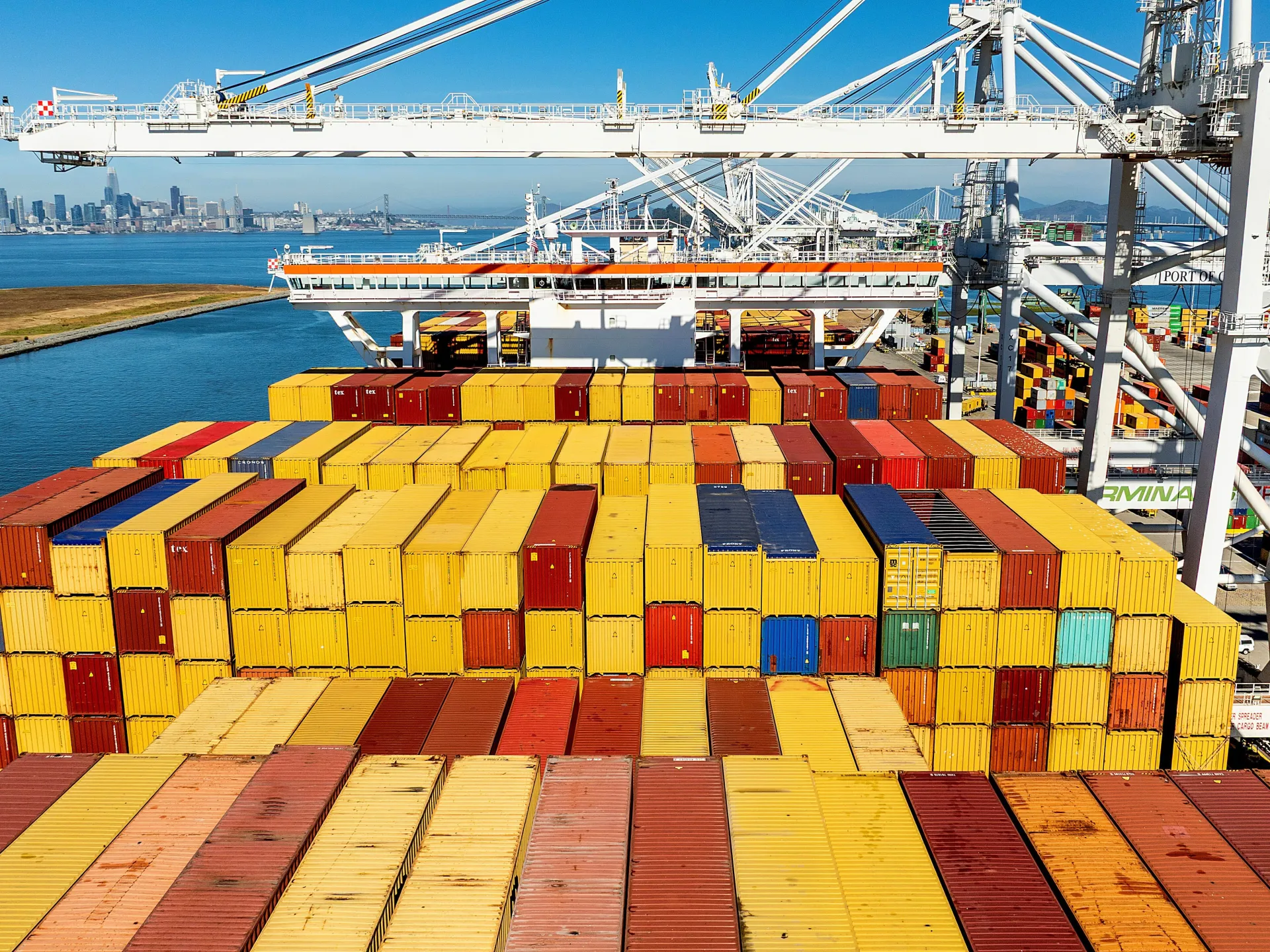
A recent report from the United States administration has brought forth accusations against dozens of countries, alleging their involvement in a systematic effort to help China evade US tariffs. This alleged circumvention, according to the White House, has resulted in the US government losing tens of billions of dollars in annual revenue. The report, published by the Office of Trade and Manufacturing Policy (OTMP), outlines what it describes as a 'shadow logistics network' facilitating the entry of Chinese goods into the US under misleading labels and documentation.
The administration's claims highlight a sophisticated operation where products originating from China are rerouted through various countries before reaching American markets. This process, known as transshipment, is purportedly used to obscure the true origin of the goods, thereby bypassing tariffs specifically imposed on Chinese imports. The report suggests that this practice not only undermines US trade policy but also unfairly disadvantages American manufacturers and workers.
Key Players in the Alleged Scheme
Among the nations identified in the White House report as significant enablers of this 'Great Transshipment Scam' are prominent economic powers and regional blocs. The European Union, alongside individual countries such as Mexico, Canada, India, Japan, and South Korea, are named as major participants. Additionally, several Southeast Asian nations, including Indonesia, Thailand, Malaysia, and Cambodia, are cited for their 'important role' within this alleged network. These countries are accused of allowing their territories to be used as transit points for Chinese goods, often with altered documentation to conceal their true source.
The report specifies that certain American manufacturing sectors have been particularly hard-hit by these transshipments. These include industries related to electrical equipment, integrated circuits, aluminum products, and motor components. The economic impact on these sectors is described as substantial, contributing to the overall financial losses estimated by the administration.
“Every dollar lost to this Great Transshipment Scam is a dollar stolen from American workers, manufacturers, and taxpayers,” stated the office headed by Trump appointee Peter Navarro in the report. This strong language underscores the administration's view of the severity and implications of these alleged activities for the American economy.
As of the report's publication, neither the Chinese embassy in Washington, DC, nor the numerous countries implicated had publicly responded to the accusations. The lack of immediate response leaves many questions open regarding the specific details of the alleged activities and the potential diplomatic fallout.
Enhanced Enforcement and Future Implications
The White House report also served as a stern warning to countries purportedly involved in facilitating these transshipments. It indicated that these nations are now 'on notice' and that the US border authorities have significantly ramped up their enforcement capabilities. This includes the deployment of artificial intelligence to integrate shipment data and other relevant information, aiming to detect and prevent illicit trade practices more effectively.
The administration's message to the international community is unequivocal: “The age of untraceable illegal transshipment is over.” It emphasizes that what were once considered minor 'paperwork maneuvers'—such as relabeling, repackaging, and re-invoicing—are now being treated as matters of 'economic sovereignty and national will.' This suggests a heightened focus on trade enforcement and a more aggressive stance against practices deemed to undermine US economic interests.
This latest development is consistent with the current US administration's broader protectionist trade policies, which have been a hallmark since its return to the White House. The administration has previously implemented various trade measures, including imposing levies on imports from countries accused of overlooking forced labor. These actions have often stirred controversy and legal challenges, with a group of 25 Democratic-led US states, including New York, California, and Colorado, contesting some tariffs in court. These states argued that certain measures were a pretext to reintroduce previously struck-down duties.
Amitendu Palit, a trade expert and professor at the National University of Singapore, commented on the report, viewing it as another strategic move by the Trump administration to compel countries into granting greater market access for US goods. Palit suggested that the administration is seeking 'innovative' ways to leverage market access, especially after previous legal setbacks regarding certain tariffs. This perspective highlights the ongoing tension and evolving strategies in global trade relations.