The Plight of the Rohingya: A Deep Dive into Statelessness
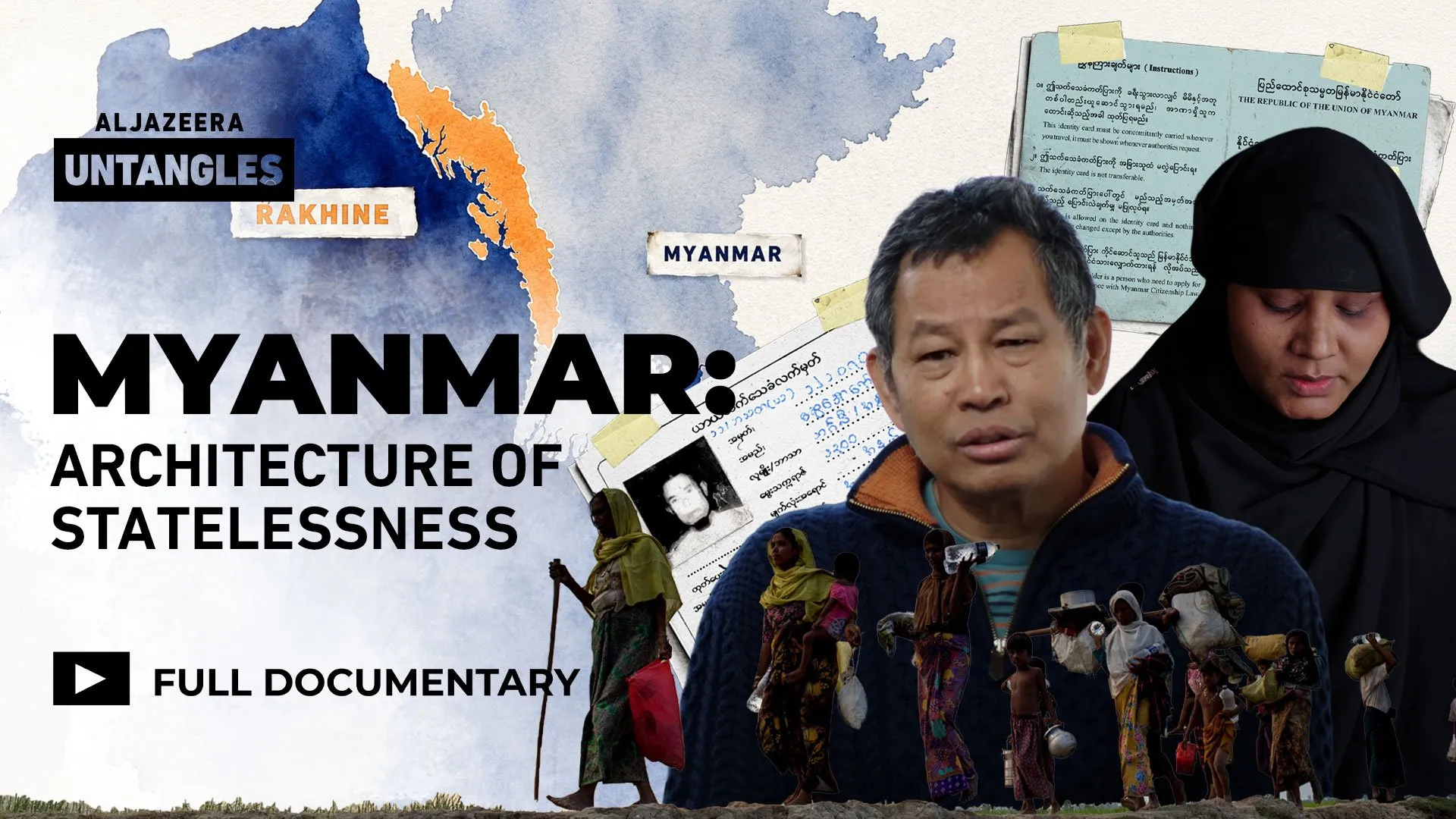
The Rohingya community in Myanmar has endured a prolonged period of systematic discrimination and forced displacement, culminating in a significant international legal challenge. A case alleging genocide against this ethnic minority is currently under review by the International Court of Justice (ICJ), highlighting decades of marginalization and violence. The core of this crisis lies in a deliberate and intricate process by which military regimes in Myanmar progressively stripped the Rohingya of their citizenship, effectively rendering them stateless within their ancestral lands.
This process of disenfranchisement was not arbitrary but meticulously orchestrated through the manipulation of legal frameworks. Successive military governments revised citizenship laws, specifically targeting the Rohingya to exclude them from national registers. These legislative changes were complemented by a pervasive system of control that utilized identity documents, checkpoints, and restrictive travel permits to severely limit the movement and autonomy of the Rohingya population. Such administrative tools were instrumental in isolating the community, preventing them from participating fully in national life, and reinforcing their status as outsiders.
The Erosion of Identity and Community
Beyond legal and administrative mechanisms, the systematic oppression of the Rohingya involved the normalization of their exclusion through segregation, incitement, and recurring waves of violence. These tactics fostered an environment where the Rohingya were increasingly viewed as distinct and undesirable, leading to their gradual erasure from the broader national community. This deliberate social engineering created a fertile ground for the extreme violence that would later characterize the crisis.
The period between 2016 and 2017 witnessed particularly brutal 'clearance operations' conducted by the Myanmar military. These operations involved widespread atrocities, including the burning of entire villages, mass killings, and the forced flight of hundreds of thousands of Rohingya into neighboring Bangladesh. These events garnered significant international attention, drawing condemnation from human rights organizations and leading to calls for accountability. The sheer scale and nature of these actions have led many to characterize them as acts of genocide, prompting the formal legal proceedings at the ICJ.
Seeking Justice at the International Court of Justice
The ongoing case at the ICJ represents a critical juncture in the quest for justice for the Rohingya. Through compelling survivor testimonies and expert analyses from officials and legal scholars, the court is tasked with determining whether the crimes committed against the Rohingya meet the stringent legal threshold for genocide. This involves assessing whether there was an intent to destroy, in whole or in part, a national, ethnic, racial, or religious group.
Myanmar, in its defense, has presented arguments against the genocide allegations, often portraying the military's actions as legitimate counter-insurgency operations against armed groups. The country's legal team has sought to challenge the narrative of widespread and systematic atrocities, emphasizing the complexities of the internal conflict and denying any genocidal intent. However, the weight of evidence, including satellite imagery, eyewitness accounts, and reports from international bodies, presents a formidable challenge to Myanmar's position.
The Stakes of the Verdict
The outcome of the ICJ's deliberations carries immense implications, not only for the Rohingya community but also for international law and the principle of accountability for mass atrocities. A verdict that finds Myanmar responsible for genocide would represent a landmark decision, affirming the international community's commitment to preventing and punishing such heinous crimes. It would also provide a measure of validation and hope for the Rohingya, whose suffering has largely gone unaddressed for decades.
Conversely, a failure to establish genocidal intent could be perceived as a setback for victims of mass atrocities worldwide, potentially emboldening states to commit similar acts with perceived impunity. Regardless of the specific legal findings, the case has already brought unprecedented global attention to the plight of the Rohingya, forcing a critical examination of state-sponsored discrimination and violence. The world watches as the ICJ navigates the complex legal and ethical dimensions of this profound human tragedy, with the ultimate goal of upholding justice and preventing future architectures of statelessness.