Introduction to the UK's Economic Challenges
The United Kingdom is currently experiencing a notable increase in the cost of living, a situation that has prompted widespread discussion and concern. Prime Minister Andy Burnham has embarked on a national tour to engage with citizens regarding their financial struggles, highlighting the pressing nature of these economic pressures. The sentiment among the public, as reflected in various forums, points to significant hikes in essential expenditures such as housing, energy, and food.
This period of economic strain is not unique to the UK, with many global economies grappling with similar issues. The Bank of England has indicated that inflation is projected to rise further in the latter half of the year. This forecast is largely attributed to the geopolitical fallout from the United States-Israel conflict with Iran, which is exerting upward pressure on global energy prices, subsequently affecting household utility bills and transport costs.
Inflationary Trends in the UK
As of June, the annual inflation rate in the UK stood at 2.8 percent, a slight decrease from 3 percent recorded in May. While this indicates a deceleration in the rate of price increases, prices are still climbing. To put this into perspective, an item that cost 100 pounds in June of the previous year would now cost approximately 102.80 pounds. This sustained upward trend in prices presents a challenge for consumers and policymakers alike.
Prior to the escalation of the US-Israel conflict with Iran in February, the Bank of England had projected a more optimistic inflation trajectory. Their forecast anticipated a decline in the Consumer Prices Index (CPI) from 3.4 percent in 2025 to 2.3 percent in 2026. However, contrary to these predictions, inflation returned to 3.4 percent in March of the current year. This resurgence was predominantly fueled by substantial increases in fuel and heating expenses, underscoring the volatility introduced by external factors.
Impact of Energy Prices on Daily Life
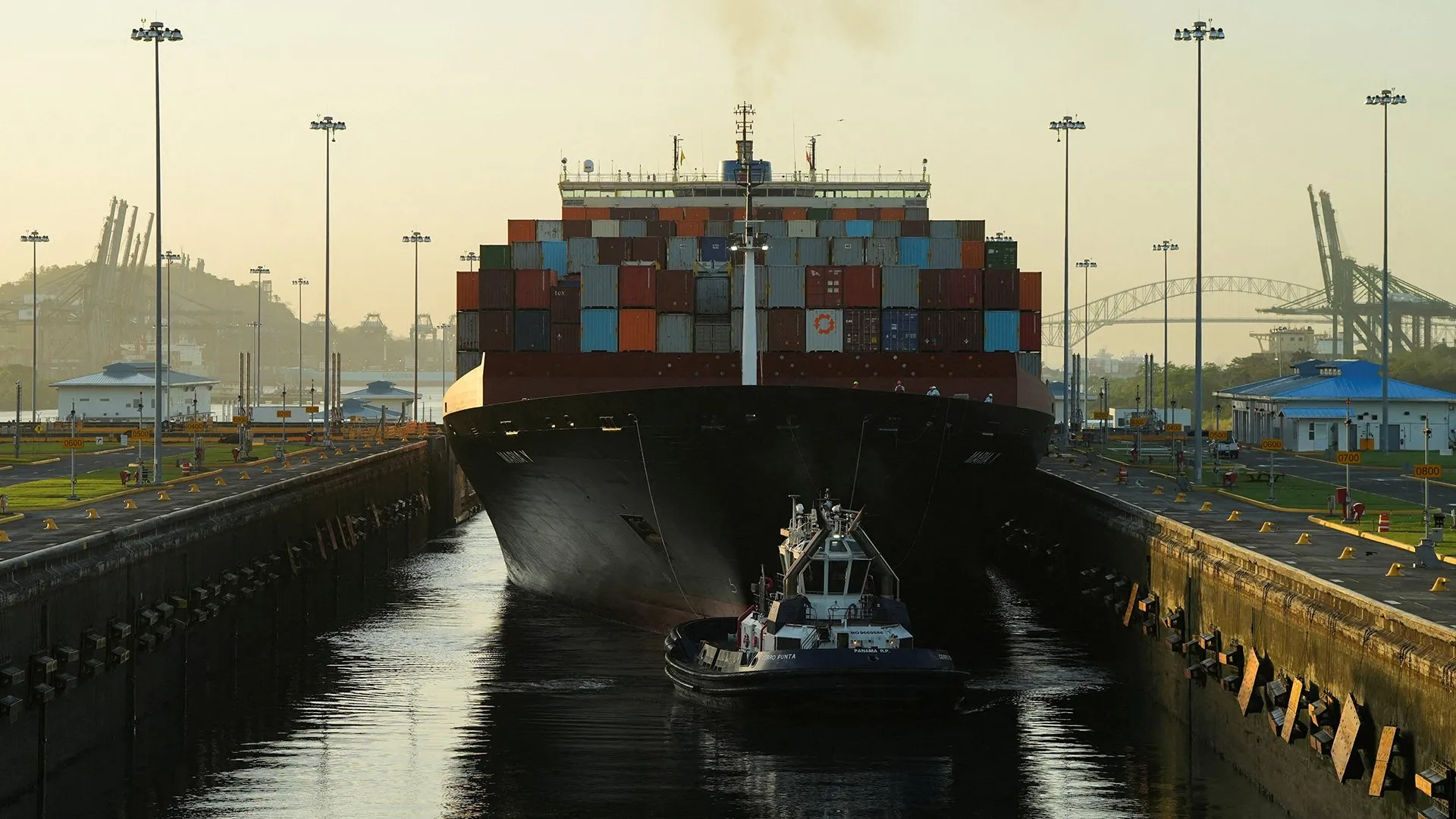
A significant contributor to the rising cost of living has been the surge in oil and gas prices. The disruption of the Strait of Hormuz, a critical transit point for a substantial portion of the world's oil and liquefied natural gas supplies, has had a cascading effect on global energy markets. This has directly translated into higher costs for petrol, transportation, food production, and a wide array of other goods and services.
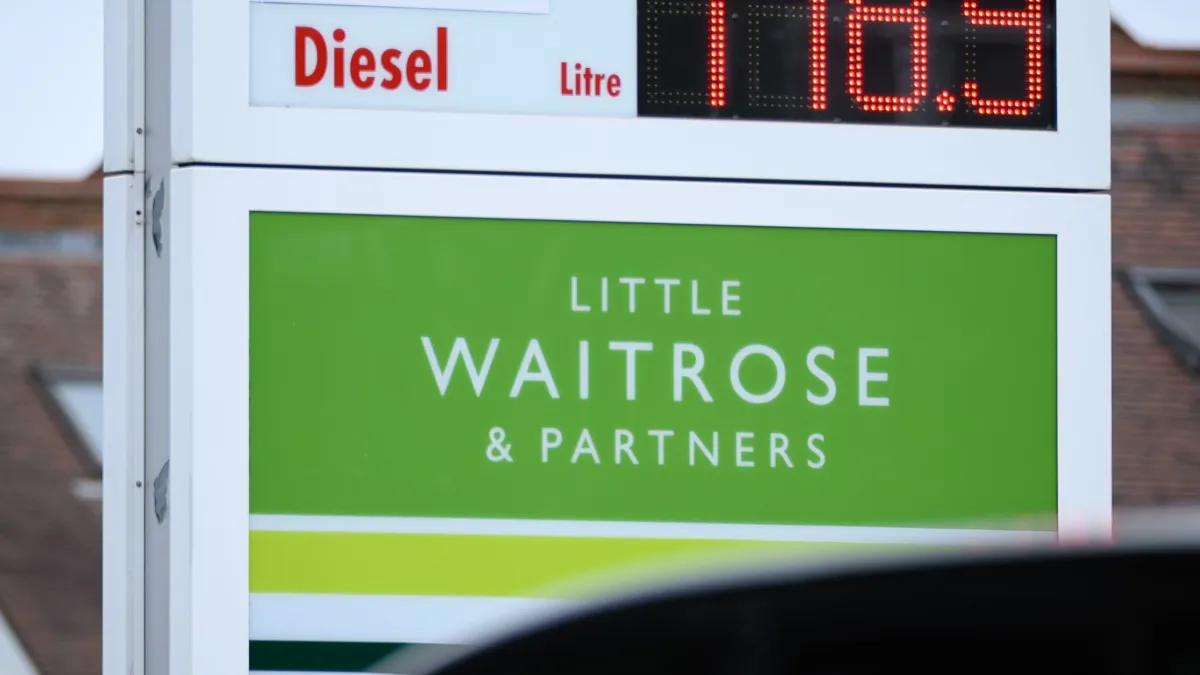
Petrol prices in the UK have reached their highest point in three and a half years. Data from the RAC Foundation illustrates this sharp increase: between February 25 and August 11, the price of petrol climbed by 22 percent, while diesel saw an even steeper rise of 27 percent. The average price for a litre of petrol increased from 1.32 pounds to 1.61 pounds, and diesel prices went from 1.42 pounds to 1.81 pounds per litre. These elevated fuel costs directly impact commuting expenses for individuals and operational costs for businesses, which are often passed on to consumers.
Disproportionate Impact on Households
The effects of inflation are not uniformly distributed across all households. The average UK household allocates approximately 677 pounds weekly to goods and services, with housing, fuel, power, transport, food, and recreation representing the largest expenditure categories. However, households with lower incomes bear a disproportionately heavier burden from these price increases.
According to the Office for National Statistics (ONS), the poorest 20 percent of households spent an average of 407 pounds per week, significantly less than the 1,084 pounds spent by the richest 20 percent. Proportionally, lower-income households dedicate a larger share of their income to essential items, making them more vulnerable to price fluctuations. When the cost of necessities like rent, energy, food, and transport rises, these households have less financial flexibility to absorb the additional expenses. The Joseph Rowntree Foundation, a charity dedicated to combating poverty, reports that 7.4 million low-income families have struggled to afford essential items this year, marking the highest figure since their cost-of-living tracker began in 2021.
The UK's Inflation Compared to Other G7 Nations
In a comparative analysis with other Group of Seven (G7) advanced-industrial democracies, the UK's June inflation rate of 2.8 percent places it in a mid-range position. The United States recorded the highest inflation rate at 3.5 percent, followed by Italy (3 percent), Canada (2.8 percent), the UK (2.8 percent), Germany (2.3 percent), France (1.8 percent), and Japan (1.7 percent).
Each nation's exposure to inflation is influenced by a unique combination of factors, including energy prices, wage pressures, and governmental policies. For the UK, the primary drivers of inflation include energy costs, largely stemming from the Middle East conflict, and services inflation, which reached 3.6 percent in June due to increased expenses in sectors like hospitality. Additionally, a slowdown in wage growth further exacerbates the financial strain on households.
Food Prices and Wage Stagnation
While the weekly grocery bill remains higher than a year ago, recent data indicates a moderation in food price inflation. This does not imply a decrease in prices, but rather a slower rate of increase. The ONS reported that food and non-alcoholic beverage prices were 1.7 percent higher in June compared to the previous year, a reduction from the 2.2 percent increase observed in May.
However, future pressures are anticipated, as the Bank of England forecasts that food prices will likely be affected by higher energy costs, impacting production and transportation. The Bank predicts food inflation could rise to nearly 3.5 percent by December, while supermarkets anticipate a higher range of 4 to 5 percent by year-end. Compounding these challenges, real earnings, which account for inflation, have barely kept pace. Weekly regular real earnings saw a decline from approximately 0.4 percent at the start of the year to 0.1 percent after the onset of the Iran conflict, making it increasingly difficult for individuals to cope with rising prices.