Intensified Recruitment Tactics Spark Controversy
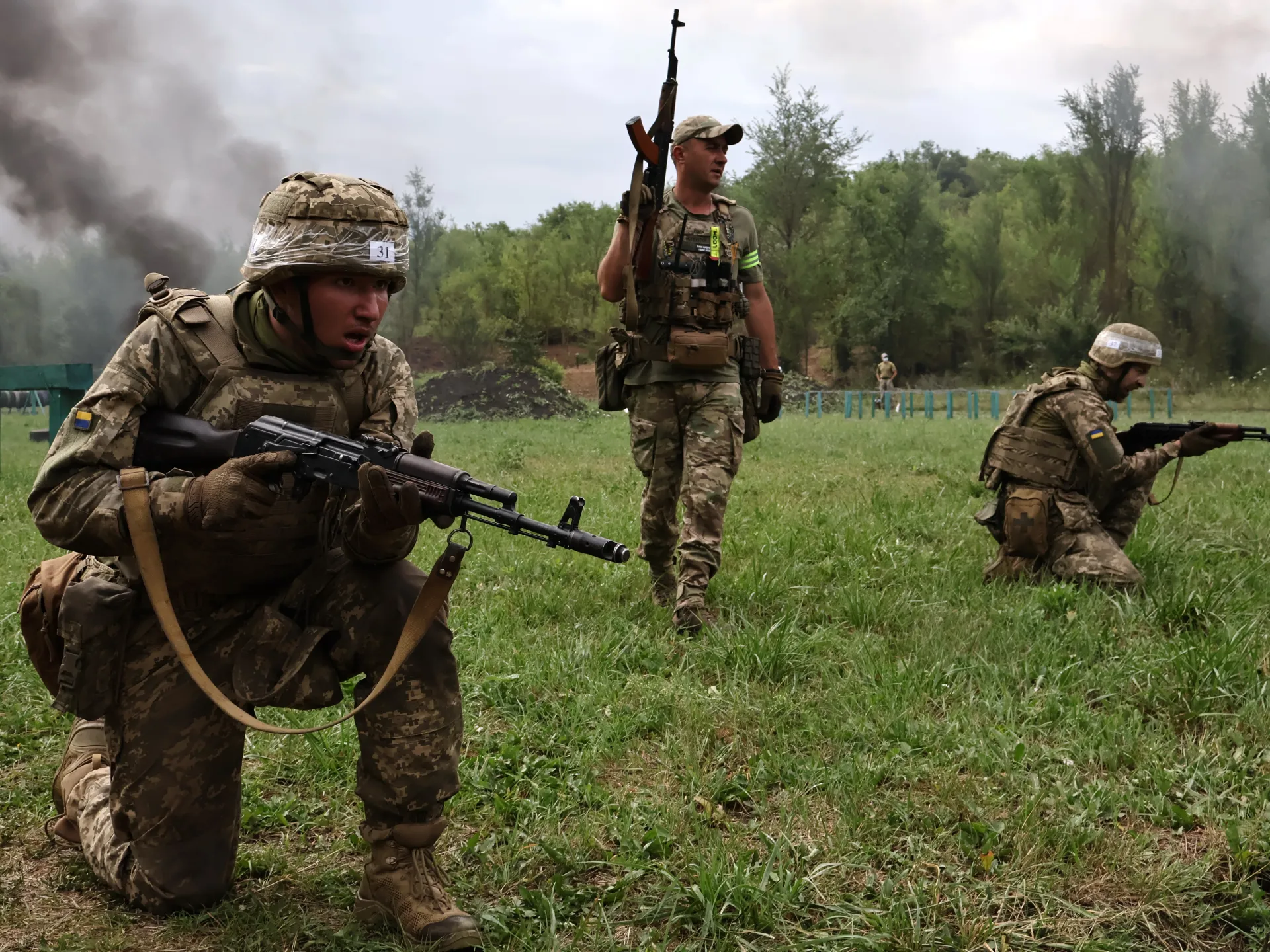
As the conflict in Ukraine persists, the nation's military recruitment strategies have come under significant scrutiny, with reports of aggressive conscription methods and growing public discontent. The term "busification" has emerged to describe the practice of individuals being apprehended on the streets and directly transported to mobilization centers, often against their will. This approach has led to numerous accounts of abuse and allegations of corruption within the recruitment process.
One such incident involved Anton, a 52-year-old Kyiv resident, who recounted being forcibly taken by police while walking home. Despite supporting Ukraine's defense, Anton, who wished to remain anonymous due to safety concerns, believed his health conditions—HIV-positive status, arthritis, and poor eyesight—rendered him medically unfit for combat. He described being detained in a militarized clinic where his phone was confiscated and he was threatened with physical force. Subsequently, he was held for two days at a recruitment center with limited contact to the outside world, highlighting the coercive nature of these recruitment drives.
Escalating Resistance and Violence
The heightened pressure to recruit has not only resulted in more aggressive tactics but also in a surge of physical resistance against recruitment officers, some incidents even turning deadly. In a span of just three days in February, a draft officer was fatally shot, an explosion at a draft office resulted in one death and six injuries, and another blast wounded an individual at an enlistment center. Ukrainian authorities later attributed the Rivne bombing to Russian recruitment efforts, indicating a complex interplay of internal and external factors influencing the situation.
Anton's experience at the recruitment center further illustrates the human impact of these methods. He witnessed other young men, recently conscripted from the streets, sharing stories of their abrupt detentions. One man reportedly missed the birth of his first child after being seized en route to driving his wife to the hospital. Anton's eventual release was contingent on the revelation of his HIV status, which had been withheld from commanders, leading to his deeming as medically unfit. However, his freedom came at a steep price, involving substantial legal fees and further payments to individuals who ultimately failed to secure his documents, leaving him confined to his home out of fear.
Policy Changes and Corruption Allegations
The initial wave of patriotism and volunteerism following Russia's full-scale invasion has largely receded, making recruitment increasingly challenging. This shift has prompted the implementation of stricter mobilization laws in April 2024, which lowered the draft age, significantly increased fines for evasion, and removed a provision for demobilization after 36 months of service. These changes have left many existing soldiers without a clear end to their tours of duty, contributing to widespread frustration.
Reports of men being forcibly taken from various public spaces, including a concert and even outside a church, underscore the pervasive nature of these recruitment drives. The incident outside a Kyiv concert, where officers were filmed dragging a man across the pavement amidst chants of "Shame!", exemplifies the public outcry.
Moreover, the recruitment process has been plagued by allegations of corruption. Instances of individuals obtaining exemptions through fraudulent medical diagnoses have surfaced. A notable scandal in October 2024 involved the resignation of Ukraine's Prosecutor General after reports emerged of numerous prosecutors in the Khmelnytskyi region allegedly holding fake disability statuses to avoid service. This was just a fraction of the problem, with Ukraine's security service canceling thousands of fraudulent disability certificates and charging dozens of officials. Further investigations led to the arrest of the chief psychiatrist of Ukraine's armed forces in January 2025 on charges of illegal enrichment, revealing substantial undeclared assets.
International Concerns and Public Distrust
International bodies have also voiced concerns regarding Ukraine's mobilization practices. The Council of Europe's Commissioner for Human Rights issued a memorandum in July 2025, highlighting issues such as beatings, arbitrary detentions, denial of legal access, and the conscription of individuals with disabilities. Ukraine's parliamentary human rights commissioner described these violations as "systematic and large-scale."
These developments have severely eroded public trust in enlistment officers, with a July 2025 survey indicating that only 24 percent of Ukrainians trusted them. This distrust has fueled movements like Telegram groups tracking recruiter locations in real-time, a phenomenon that Russian intelligence reportedly attempted to exploit with a malicious app. The widespread anger has also translated into a significant increase in attacks on enlistment officers, with over 600 recorded since the war began, and a dramatic surge in 2025 and early 2026.
While President Volodymyr Zelenskyy has cautioned against actions that could benefit Russia, institutions like the Ministry of Defence have acknowledged the need for improvements in mobilization methods. Oleksandr Syrskii, the former commander-in-chief, also recognized the army's efforts to rectify mistakes and prevent human rights violations at recruitment offices, signaling an awareness of the deep-seated issues within the current system.