Ukraine's Expanding Drone Campaign
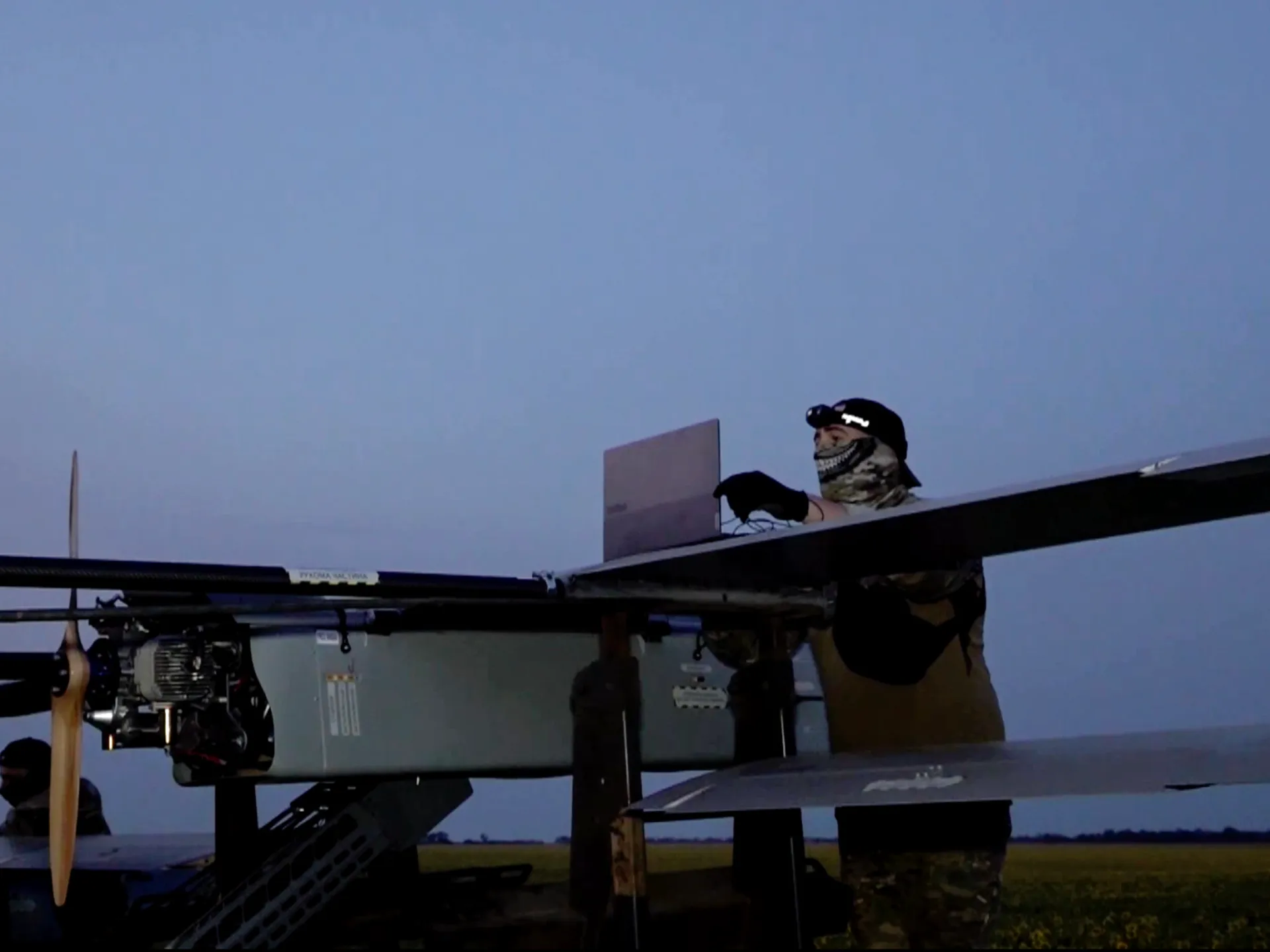
In the quiet farmlands of eastern Ukraine, the night's tranquility is frequently interrupted by the mechanical hum of engines and the urgent shouts of soldiers. These sounds precede the launch of long-range drones, an integral part of Ukraine's evolving strategy in the ongoing conflict. Colonel Ray, commander of the Kairos Battalion of the Magyars Birds Brigade, emphasizes the synchronized effort required for effective strikes, likening the process to an orchestra where every component must perform flawlessly.
These drones, substantial in size—some comparable to compact SUVs with nearly six-meter wingspans—ascend into the night sky, their precise destinations known only to their operators. Traveling at speeds of approximately 160 km/h (100 mph) and at altitudes thousands of meters above the ground, they traverse war-torn cities and battlefronts before reaching cruising altitude. At this point, control is transferred to a remote command center, often located far from the launch site, with a brigade spokesperson noting that such systems allow for piloting from vast distances, even across continents, thanks to satellite navigation.
Strategic Objectives and Operational Reach
The drones meticulously avoid urban areas and cities to minimize interception risks. Real-time data on Russian air defenses is continuously fed back to Ukrainian planners, optimizing flight paths for the hundreds of drones launched on some nights. This strategic planning aims to maximize the success rate of these deep penetration missions.
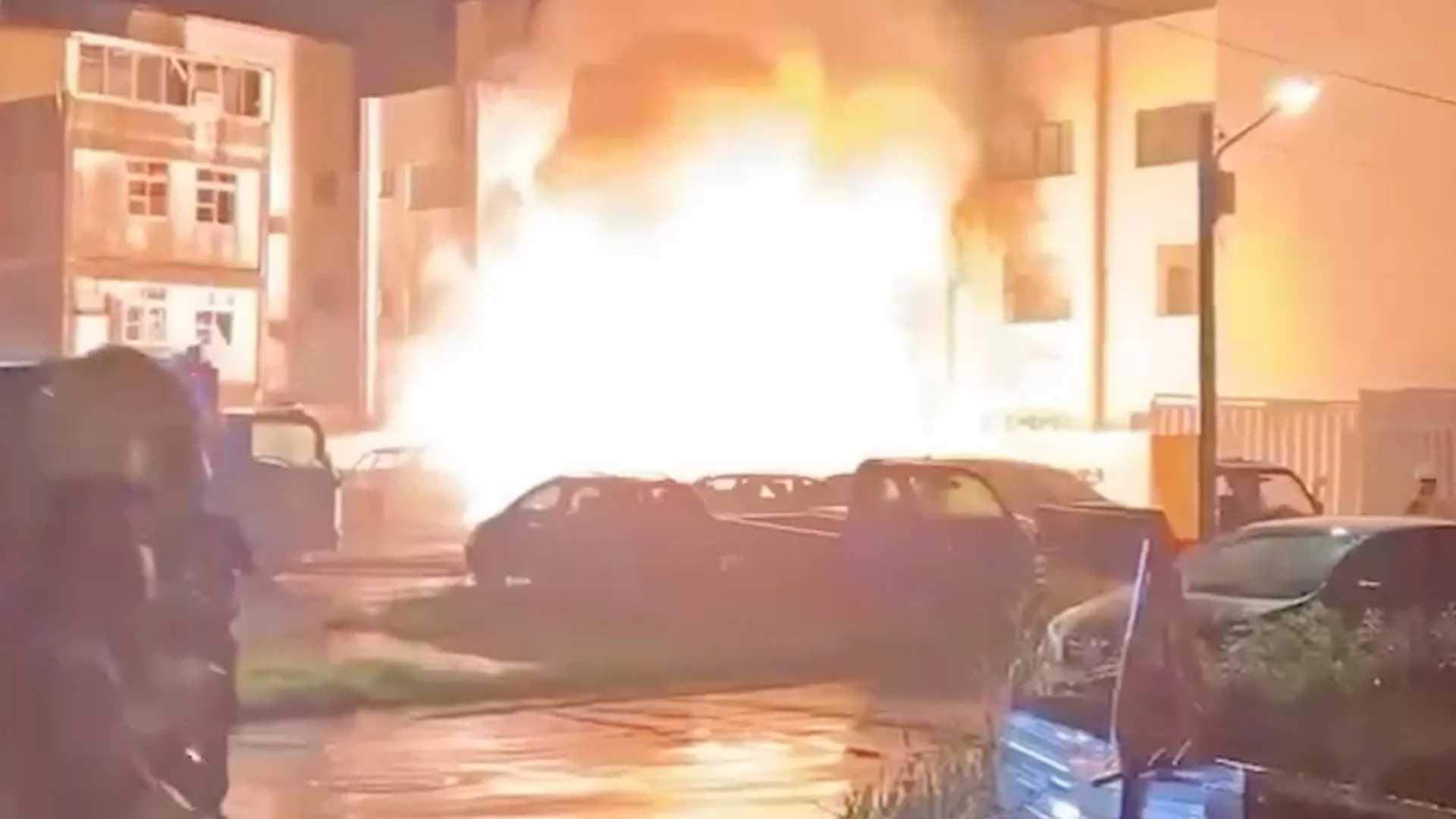
Remarkably, Ukraine's long-range drones are now striking targets sometimes exceeding 2,500 km (1,553 miles) inside Russian territory. These targets include significant cities such as Moscow and St. Petersburg, and even extend across the Ural Mountains into Siberia. The primary targets encompass critical infrastructure like oil refineries, factories, and warehouses, reflecting a deliberate shift in Ukraine's offensive strategy.
While long-range drone technology is not new to the conflict, the scale and frequency of its deployment have dramatically increased. Ukraine has significantly ramped up its domestic production of one-way attack drones, circumventing previous limitations imposed by Western allies regarding strikes deep within Russia. This surge in attacks, particularly since March, initially prompted calls for restraint from some Western partners, especially given the existing disruptions to global energy markets caused by other international conflicts. However, Kyiv has persisted with its campaign.
'Long-Range Sanctions' and Economic Impact
Ukrainian officials have coined the term 'long-range sanctions' to describe these drone strikes, framing them as a direct means of enforcing economic pressure that traditional Western sanctions have not fully achieved. The rationale behind this strategy is rooted in the understanding that Russia's oil and gas industry remains a vital financial artery for the state, contributing approximately one-fifth of its federal budget revenues. By targeting this sector, Ukraine aims to directly impact Russia's economic capacity to fund the war.
More recently, Ukraine's long-range campaign has broadened its scope beyond energy infrastructure. Among the newer targets is Wildberries, Russia's largest online retailer. Ukrainian authorities allege that Wildberries' marketplace facilitates the sale of dual-use goods, citing listings for items such as body armor, military helmets, drone components, and fiber optic cables—all of which can be utilized in military applications and contribute to the conflict. Mykhailo Podolyak, an adviser to Ukraine's president, claims that a substantial portion—30 percent—of all dual-use or military goods are procured by Russia's Ministry of Defense through the Wildberries platform. Podolyak outlines three primary objectives for these strikes: to instill fear, to inflict tangible business losses in terms of revenue and goods, and to force Russian citizens to confront the tangible realities of the ongoing conflict.
Morale and Endurance in the Face of Conflict
Back at the drone launch sites, operational teams execute their tasks with precision and speed. The rapid launch of multiple drones in a short timeframe is crucial, as each launch carries the inherent risk of exposing their position to Russian reconnaissance. Maintaining stealth is paramount for these crews, who are orchestrating a campaign that penetrates ever deeper into Russian territory. Colonel Ray notes that his team's launches are just a fraction of the hundreds of drones deployed each night, a routine that often repeats daily.
Colonel Ray describes the war as a boxing match, where initial rounds prioritize professionalism, but the final, championship rounds hinge on morale. He observes that the success of Ukraine's deep strikes has significantly bolstered the morale and outlook within the Ukrainian army. As the conflict endures, it increasingly becomes a test of endurance and resolve. Ray emphasizes that Ukrainian soldiers possess a clear understanding of their purpose—defending their people and their land—a clarity he believes is lacking among their adversaries.