New Regional Defense Alliance Takes Shape
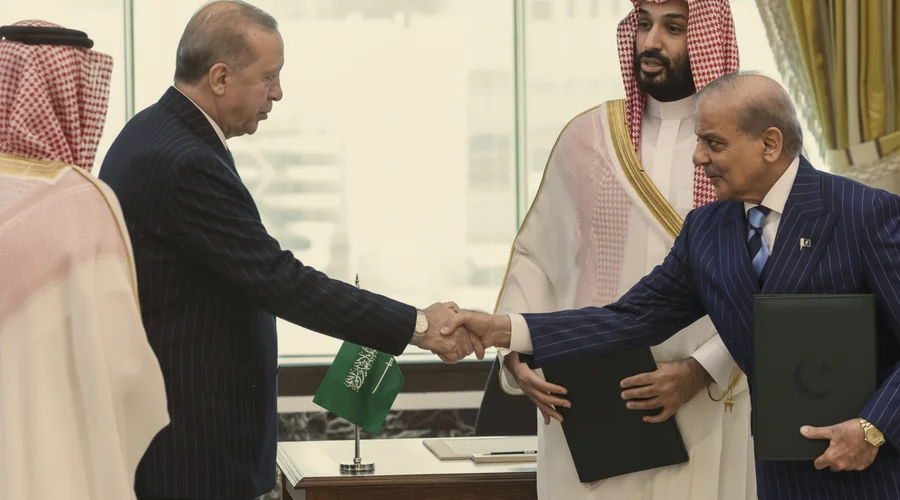
Turkiye has clarified the operational aspects of its defense pact with Pakistan and Saudi Arabia, an agreement aimed at bolstering military and defense industry cooperation among the three nations. The alliance, formalized through the Mecca Joint Defense Agreement signed last week, establishes a framework for collective security and strategic collaboration.
The Turkish Ministry of Defense, in a recent briefing in Ankara, emphasized that the core objective of this pact is to institutionalize and sustain defense and military ties. This move is anticipated to create a more robust and enduring security architecture within the region.
Key Mechanisms of the Defense Pact
The agreement outlines several key mechanisms designed to facilitate high-level coordination and practical cooperation:
- Strategic Political and Military Mechanisms: The pact will establish forums involving Defence Ministers, Foreign Ministers, and Chiefs of General Staff/Armed Forces Commanders. This multi-level engagement is intended to ensure comprehensive coordination on strategic, political, and military matters at the highest echelons of leadership in each country.
- Joint Military Exercises: A significant component of the agreement involves joint military exercises. These will encompass land, naval, and air forces, along with specialized training in air defense and unmanned systems. Such exercises are crucial for improving interoperability, sharing best practices, and enhancing the collective defense capabilities of the member states.
- Deepened Defense Industry Cooperation: Beyond military training, the alliance seeks to foster extensive collaboration in the defense industry. The objective extends beyond merely supplying products and systems to joint development, co-production, technology transfer, and sustainable maintenance and logistical support. Priority areas for this cooperation include unmanned and autonomous systems, electronic warfare technologies, and artificial intelligence capabilities, reflecting a forward-looking approach to modern defense.
The Mecca Joint Defense Agreement, signed on August 7, includes a provision similar to NATO's Article 5, stating that an armed attack against any member would be considered an attack on all. This collective defense clause underscores the mutual commitment to security among Turkiye, Pakistan, and Saudi Arabia.
Potential Expansion and Regional Context
Turkiye, possessing the second-largest army within NATO, has indicated that this new pact is open to expansion, with Egypt being mentioned as a potential future member. Turkish officials have also clarified that the alliance is not intended to replace existing international partnerships but rather to complement them, reinforcing regional stability and security.
This development comes amidst broader regional dynamics. Turkiye's defense ministry spokesperson, Rear Admiral Zeki Akturk, also commented on the country's involvement in meetings in Jeddah concerning the establishment of an international coalition to safeguard shipping routes in the Red Sea, highlighting a multifaceted approach to maritime security.
Middle East Developments and Calls for Peace
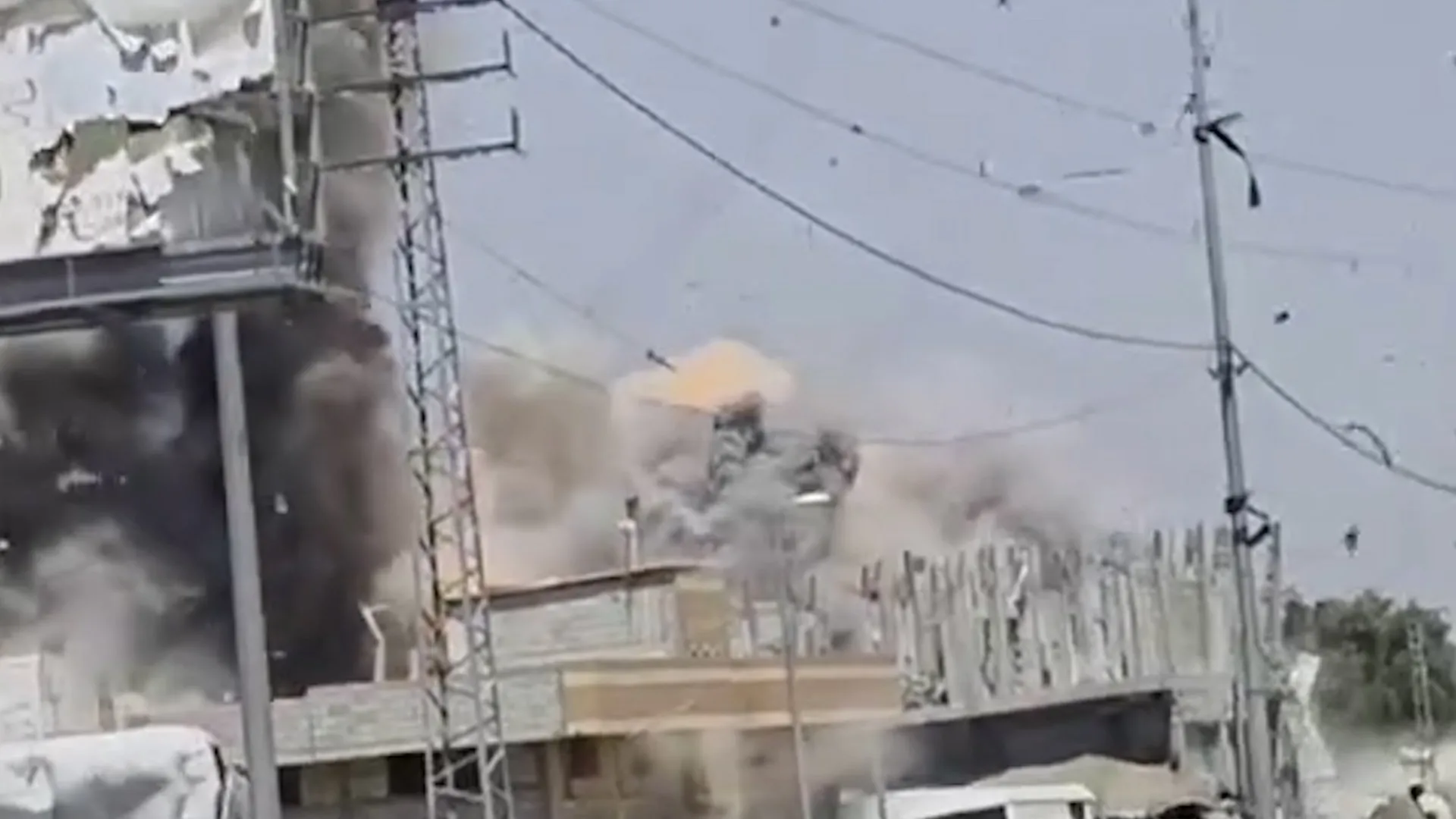
In his remarks, Rear Admiral Akturk addressed the ongoing situation in the Middle East, stating that lasting peace and stability in the region are contingent upon Israel ceasing its occupation and military actions in Gaza and Lebanon. He noted that Israel's continued attacks have exacerbated the humanitarian crisis in Gaza, a situation also reflected in various United Nations reports.
Akturk specifically referenced Israel's rejection of the 15-point Gaza Plan, interpreting it as an indication of a policy focused on regional expansionism. He also pointed out that despite a signed framework agreement, Israel has continued its attacks and military activities in southern Lebanon.
The Turkish defense ministry spokesperson reiterated the importance of the international community adopting a more resolute and forceful stance against Israel's actions. He underscored the necessity for international law and humanitarian values to be upheld to achieve peace and stability in the region, emphasizing that a concerted global effort is essential to address the ongoing conflicts and humanitarian challenges.
The establishment of the Mecca Joint Defense Agreement marks a significant step in regional defense cooperation, aiming to create a more integrated and resilient security framework among Turkiye, Pakistan, and Saudi Arabia, while also engaging with broader regional security challenges.