Devastation in Ansar
The quiet community of Ansar, nestled in southern Lebanon, was plunged into tragedy following an overnight airstrike that claimed the lives of at least seven people. The victims, members of a single family, included several children, casting a somber shadow over the region. The incident underscores the severe human cost of the escalating conflict and the persistent destruction affecting civilian populations in southern Lebanon.
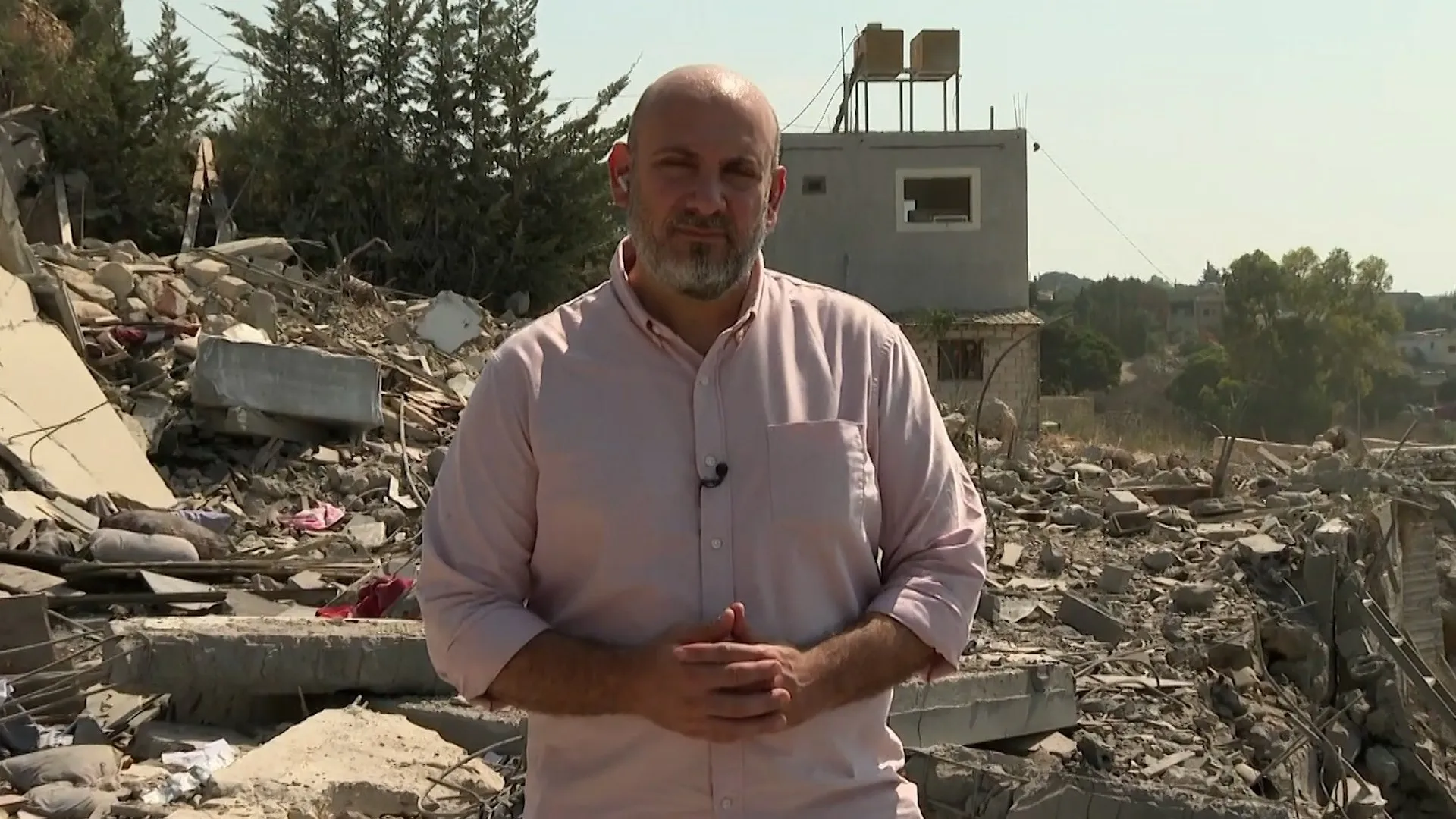
Eyewitness accounts from the scene paint a grim picture of the aftermath. Rescuers worked tirelessly through the night and into the morning, sifting through the rubble of what was once a family home. The structure was almost completely obliterated, a stark testament to the intensity of the strike. Local residents expressed profound shock and grief, describing a sense of helplessness as they grappled with the sudden loss of their neighbors and the destruction of their community's peace.
The Impact on Civilian Lives
This latest incident is not an isolated event but rather a continuation of a distressing pattern of violence that has characterized the border region between Lebanon and Israel. Both sides have reported numerous exchanges of fire, leading to casualties and widespread damage. However, strikes impacting residential areas, particularly those resulting in the deaths of non-combatants, often draw significant international condemnation and heighten calls for de-escalation.
The presence of children among the deceased adds another layer of sorrow to the tragedy. Their deaths serve as a poignant reminder of how easily civilian populations, especially the most vulnerable, can become unintended or direct victims of armed conflict. Schools have been disrupted, essential services strained, and the psychological toll on communities living under constant threat is immeasurable. The long-term consequences for these communities, including displacement and trauma, are often profound and enduring.
Regional Tensions and International Response
The strike in Ansar occurred amidst heightened regional tensions, with cross-border skirmishes becoming an almost daily occurrence. These hostilities are part of a broader, more complex geopolitical landscape involving various state and non-state actors. The international community has repeatedly called for restraint and a cessation of hostilities, emphasizing the need for diplomatic solutions to prevent further loss of life and destabilization of the region.
Organizations dedicated to human rights and child protection have voiced strong condemnation of attacks that result in civilian casualties, particularly when children are involved. They stress the importance of adhering to international humanitarian law, which mandates the protection of civilians and civilian infrastructure during armed conflicts. Investigations into such incidents are often demanded, aiming to ascertain the circumstances surrounding the strikes and to ensure accountability.
A Cycle of Violence
The cycle of violence in southern Lebanon and along the border has deep roots, intertwined with historical grievances and ongoing political disputes. Each incident, like the one in Ansar, risks further entrenching animosity and making the path to peace more arduous. The destruction of homes and the loss of life not only create immediate suffering but also contribute to a sense of instability that can push communities to the brink.
For the residents of Ansar and similar border towns, life has become a precarious existence, constantly overshadowed by the threat of violence. The desire for peace and normalcy is palpable, yet the reality on the ground often dictates otherwise. The international community's role in mediating a sustainable peace and providing humanitarian aid becomes increasingly critical in such environments, aiming to break the cycle of violence and allow communities to rebuild their lives free from fear.
As the dust settles in Ansar, the focus remains on the grieving families and the broader implications of this tragic event. The incident serves as a stark reminder of the urgent need for a comprehensive and lasting resolution to the conflict, ensuring the safety and well-being of all civilians in the region.