
Understanding Total Solar Eclipses
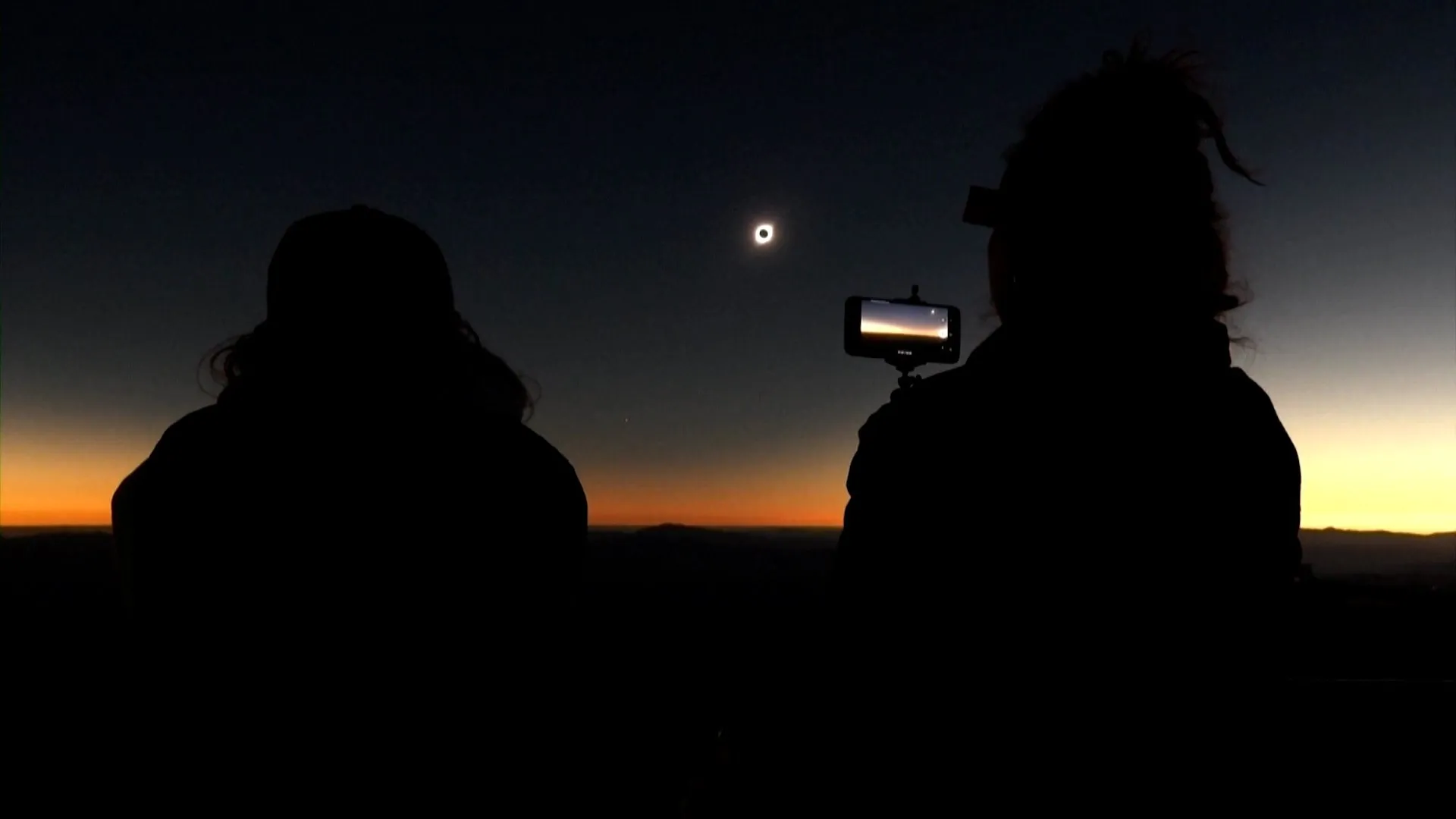
A total solar eclipse is a celestial phenomenon that occurs when the Moon passes directly between the Sun and Earth, completely obscuring the face of the Sun. This alignment results in a temporary darkening of the sky, akin to twilight, and allows observers in the path of totality to witness the Sun's corona, its ethereal outer atmosphere, which is usually hidden by the bright solar disk. Such events are relatively rare for any given geographical location, making them highly anticipated by astronomers and the general public alike.
The Mechanics of an Eclipse
The Earth, Moon, and Sun must align in a very precise manner for a total solar eclipse to take place. The Moon's orbit around Earth is tilted relative to Earth's orbit around the Sun. Consequently, the Moon's shadow often passes above or below Earth. Only when the alignment is just right, with the Moon positioned directly between the Sun and Earth, does the Moon's shadow fall upon our planet. The Moon's apparent size in the sky is also a critical factor; it must be large enough to completely cover the Sun from our perspective. Due to the elliptical nature of the Moon's orbit, its distance from Earth varies, affecting its apparent size.
The 2026 Event: A Path of Totality
The upcoming total solar eclipse in 2026 is projected to follow a path that will bring this awe-inspiring event to several distinct regions across the Northern Hemisphere. The trajectory is expected to encompass vast stretches of the Arctic, traverse key landmasses such as Greenland and Iceland, and extend southward to include portions of Spain. This diverse geographical spread means that millions of individuals will have the opportunity to observe the Moon fully eclipsing the Sun, an experience that many describe as profound and unforgettable.
Geographical Reach and Visibility
The Arctic regions are often remote and sparsely populated, yet they will offer unique viewing opportunities for those positioned within the path of totality. Greenland, a large island nation, will experience the eclipse, potentially offering dramatic backdrops of ice and snow. Following this, the shadow will sweep over Iceland, an island nation known for its volcanic landscapes and geothermal activity, where residents and visitors will witness the celestial alignment. Finally, the eclipse's path will extend to parts of Spain, offering a more accessible viewing experience for a larger population in Europe. The exact times and duration of totality will vary depending on the specific location within this path, with central regions experiencing the longest periods of darkness.
Historical and Cultural Significance
Throughout history, solar eclipses have held significant cultural and scientific importance. Ancient civilizations often interpreted these events as omens or divine interventions, leading to various myths and legends. In modern times, while the scientific understanding of eclipses is well-established, they continue to captivate the human imagination. They serve as powerful reminders of the dynamic nature of our solar system and offer unique opportunities for scientific research, particularly in studying the Sun's corona, which is otherwise difficult to observe.
Preparation and Observation
For those planning to observe the 2026 total solar eclipse, proper preparation is crucial. Safety is paramount when viewing any solar event. Direct observation of the Sun, even during an eclipse, can cause severe and permanent eye damage. Specialized solar filters or eclipse glasses, compliant with international safety standards, are essential for safe viewing. Additionally, planning for travel and accommodation in the path of totality, especially in more remote areas like Greenland or Iceland, will be necessary due to the anticipated influx of eclipse chasers and tourists.
The 2026 total solar eclipse represents a rare alignment that will offer a spectacular celestial display across parts of the Arctic, Greenland, Iceland, and Spain. This event underscores the intricate mechanics of our solar system and provides a unique opportunity for both scientific study and public wonder, reminding us of the grandeur of the cosmos.
The anticipation for this event is building among the scientific community and the general public. Such eclipses not only offer stunning visual spectacles but also foster a deeper appreciation for astronomy and the natural world. As the date approaches, more detailed information regarding viewing locations, times, and safety protocols will become available, ensuring that as many people as possible can safely enjoy this extraordinary natural phenomenon.