
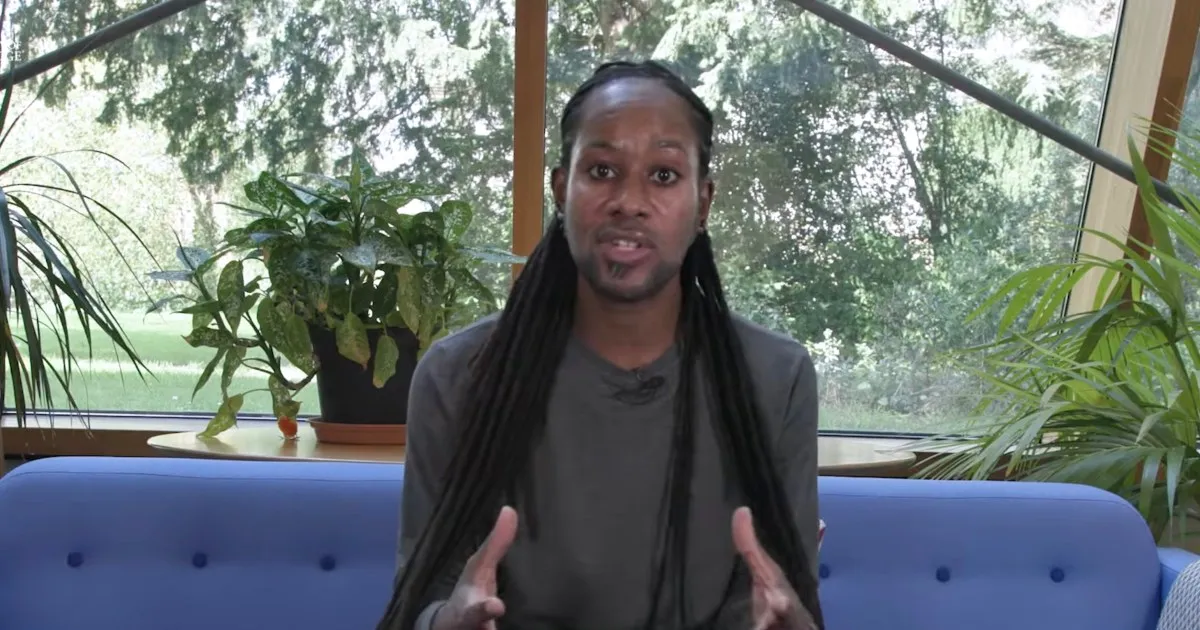
Jason Arday's Legacy and Sudden Demise
On August 14, Jason Arday, who had achieved the distinction of becoming the youngest Black scholar appointed professor at Cambridge University in 2023, was discovered deceased at his London residence. This tragic event occurred shortly after his resignation on August 5, following an intense and protracted public campaign fueled by allegations of plagiarism. The scrutiny extended beyond his academic work, encompassing various aspects of his professional and personal life, including his communication style and scholarly contributions. This period saw widespread commentary across British media, online platforms, and social discourse, with many commentators claiming to expose perceived inaccuracies and alleged plagiarism, leading to significant public condemnation.
The Plagiarism Controversy and its Context
The allegations of plagiarism against Professor Arday became a central point of contention. While one investigation concluded that he had not plagiarized, another was reportedly still in progress at the time of his death. The foundation for much of the public's certainty and social media discourse appeared to be isolated paragraphs of his work circulated online, juxtaposed with the writings of other scholars. Beyond the plagiarism claims, there was considerable public discussion and speculation regarding Arday's autism and his athletic achievements, often presented with a tone of derision. This included instances of disability denial and what some considered trivial articles critiquing his punctuality or the sufficiency of his citations for claims related to racism.
The intensity of the focus on Arday's case stands in contrast to the typical handling of academic misconduct. Annually, numerous academics face investigations for various forms of misconduct, including plagiarism and unethical research practices. These matters are usually addressed through academic debates, institutional accountability processes, and internal inquiries, rather than through widespread public shaming or racially charged commentary. The public outcry surrounding Arday's situation, characterized by what some described as a 'lynch mob' mentality, was a distinctive feature of his experience.
Disparities in Academic Accountability
The public's response to Arday's case highlights a potential disparity in how different forms of academic misconduct are addressed. For instance, instances of sexual misconduct within academia, even those involving multiple accusations and breaches of sanctions, often do not escalate to the level of nationwide scandal seen with Arday. A notable example cited is the case of a former lecturer at Cambridge University who faced accusations of sexual harassment from ten students in 2015. Despite breaching sanctions, he was reinstated two years later, a situation that did not garner comparable public outrage or media attention.
The Role of External Instigation and Systemic Issues
A significant element in the campaign against Professor Arday was the involvement of Nathan Cofnas, a self-identified 'race realist' known for his writings on alleged intelligence disparities among racial groups. Cofnas, who was dismissed from Cambridge in 2024 after publishing a piece asserting that Harvard University would have no Black professors if hiring were based solely on merit, had previously been a figure defended by some within the 'free-speech' community. Critics argue that the trajectory from Cofnas's dismissal to his alleged instigation of the bullying of Arday reveals a broader failure within academic and media establishments to recognize and address systemic racism. This includes instances where what are presented as objective measures, such as statistical analyses, are used to legitimize 'race science' and eugenicist viewpoints.
The failure of some media outlets to thoroughly investigate the origins and intensity of the attacks on Arday, particularly within the context of eugenicist ideologies, has been criticized as profoundly irresponsible. The underlying narrative, according to some, is the increasing acceptance of 'race science' and eugenics within prominent academic institutions, which poses significant risks to Black and anti-racist scholars.
'Institutional Murder' and the Broader Implications
In an interview conducted on the day of Arday's death, Cofnas reportedly acknowledged that the controversy was less about plagiarism, which he noted was common in academia, and more about Arday's 'exalted position.' He also articulated aspirations of leading a department focused on 'race science' and eugenics. This perspective, along with the broader circumstances surrounding Arday's death, resonates with discussions around the concept of 'institutional murder,' a framework developed by Dalit scholars. This concept gained prominence following the suicide of Rohith Vemula, a Dalit PhD student in India, who experienced prolonged persecution. The idea of institutional murder provides a systemic analysis of deaths that result from entrenched violence and conditions that diminish livability, moving beyond individualizing narratives to highlight the role of systemic issues.
The harassment and death of Jason Arday are thus viewed by some not as isolated incidents, but as manifestations of 'institutional murder,' stemming from a system deeply infused with anti-Black racism. This perspective calls for a critical examination of how academic institutions and public discourse contribute to environments that can have devastating consequences for marginalized individuals.