Afghanistan's Taliban Deepens Ties Without Full International Legitimacy
Five years after seizing control of Afghanistan, the Taliban government has managed to forge a broad network of economic, security, and diplomatic relationships with countries around the world — all without receiving formal recognition from the vast majority of the international community.
Russia became the first nation to officially recognise the Taliban-led administration in July 2025. Yet despite that milestone, most governments continue to stop short of full political recognition. Even so, Kabul has steadily embedded itself into the region's diplomatic fabric, with relationships across multiple continents continuing to grow in scope and depth.
A Widening Diplomatic Presence
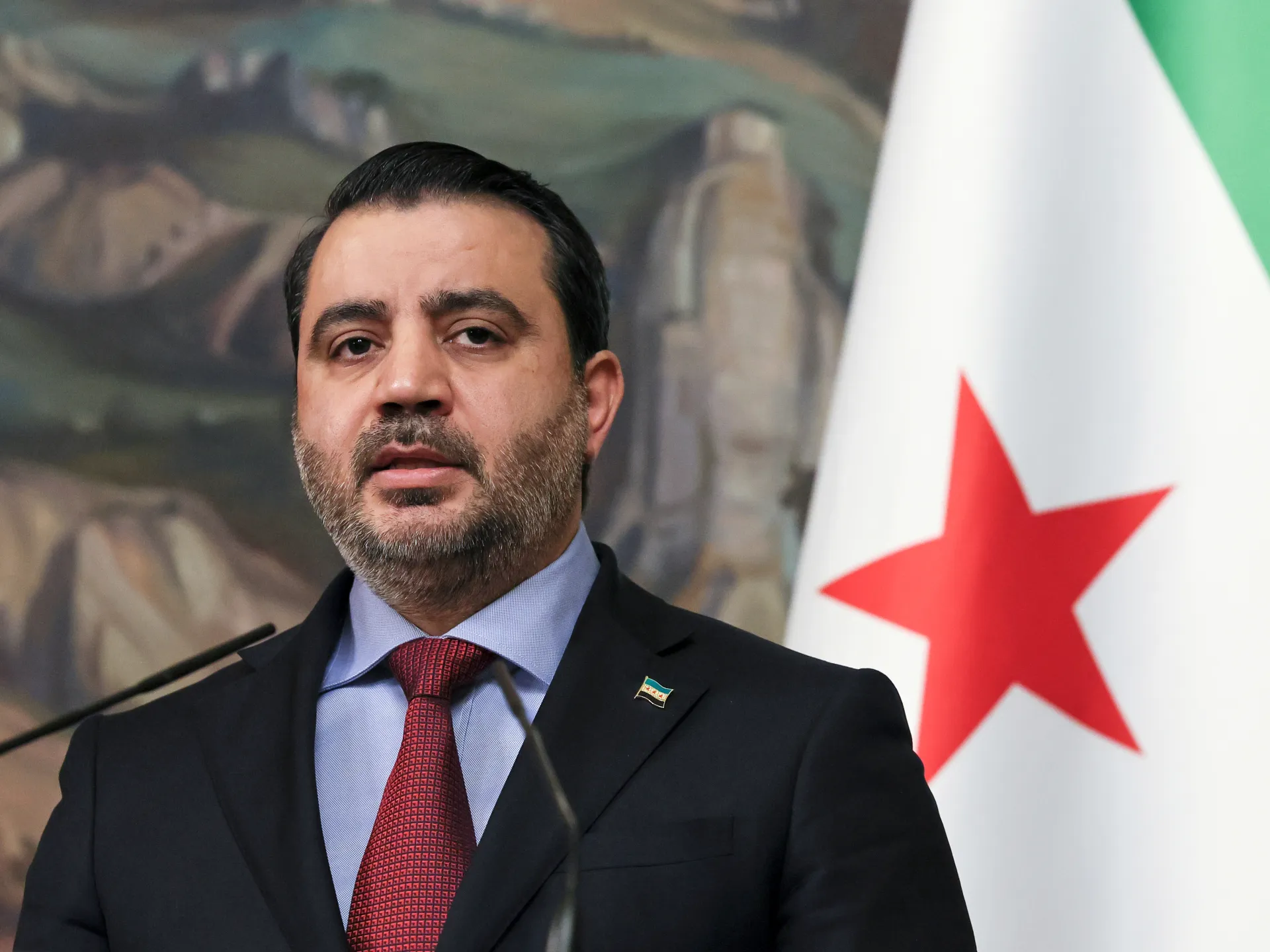
Afghan Foreign Minister Amir Khan Muttaqi has stated that Kabul currently maintains contact with more than 40 diplomatic missions — including embassies and consulates abroad — alongside dozens of foreign missions operating within Afghanistan itself.
China has emerged as one of the most significant partners for the Taliban. Beijing continues to operate its embassy in Kabul and cooperates with the administration on both security matters and economic investment. A central element of this relationship is the Logar copper mine project, secured by a Chinese company under a 2008 contract representing a declared investment of nearly $3.4 billion. In January 2024, Chinese President Xi Jinping formally accepted the credentials of the Taliban's ambassador to Beijing — a notable diplomatic gesture despite the absence of official recognition.
Regional Trade Dynamics and Tensions
Relations with Pakistan stand out as the most complicated in the Taliban's regional portfolio. Pakistan was long considered a primary backer of the Afghan Taliban, providing financial support, weapons, and sanctuary to movement leaders over many years. However, that relationship has deteriorated sharply since the Taliban's return to power, largely due to Pakistani accusations — which Kabul denies — that Afghanistan is harbouring and supporting the Tehrik-i-Taliban Pakistan, a militant group responsible for numerous deadly attacks inside Pakistan.
In response to this friction, the Taliban has actively diversified its trade routes, channelling more commerce through Iran and Central Asian nations to reduce dependence on Pakistani ports and border crossings.
Uzbekistan has been particularly active in building economic links with the Taliban government, signing trade agreements in 2026 valued at approximately $520 million. A proposed railway project connecting Uzbekistan to Pakistan through Afghan territory is also under discussion, with the aim of giving Central Asian countries direct access to the Arabian Sea.
Turkmenistan is similarly engaged through the long-discussed TAPI pipeline — a multibillion-dollar initiative that would transport gas from Turkmenistan through Afghanistan and Pakistan to India, with a 735-kilometre stretch running through Afghan soil. The broader pipeline project remains stalled, however, primarily because of ongoing tensions between India and Pakistan, compounded by the deterioration of Pakistani-Afghan relations.
Security Concerns Drive Cooperation
Security analyst Abdul Jalil Amini has noted that shared concerns about the Islamic State group represent a compelling motivation for Russia and Central Asian countries to maintain working relationships with the Taliban. These governments appear to view the Taliban as a force capable of securing shared borders and preserving a degree of regional stability — however imperfect.
Iran, India, and Gulf States Cautiously Engage
Iran continues to engage with Kabul across trade and energy sectors, offering access to the Chabahar port as an alternative commercial route, even as the two sides remain at odds over water-sharing arrangements tied to the Helmand River.
India, meanwhile, is gradually rebuilding its presence in Afghanistan, partly as a strategic counterweight to Pakistani and Chinese influence in the country. Former Afghan ambassador to India Farid Mamundzay has described the Taliban's approach as a pragmatic policy aimed at maintaining balanced relationships with competing regional powers in order to advance its own national interests.
Gulf states — including Qatar, Saudi Arabia, and the United Arab Emirates — have preserved their diplomatic footprints in Kabul, though their overall engagement has been more restrained compared with Central Asian governments. A professor of international relations at Kabul University, Ahmed Karimi, has characterised Saudi Arabia and the UAE as taking a conservative stance, choosing to accept Taliban diplomats without going further toward normalising the relationship.
Western Engagement Remains Narrow
Western governments continue to communicate with Taliban authorities, but these interactions are largely confined to counterterrorism cooperation, migration management, and humanitarian assistance. Concerns over the Taliban's treatment of women and its broader governance practices remain the primary barriers preventing any formal diplomatic recognition from Western capitals.
According to strategic relations expert Najib al-Kuzi, contact between Washington and Kabul never fully ceased following the American military withdrawal, though it has been concentrated primarily in security and intelligence domains. The European Union has similarly maintained an operational mission in Kabul, reflecting a broader pattern of practical engagement that stops well short of political endorsement.
The Taliban continues to operate in a diplomatic grey zone — recognised by few, yet engaged by many.