Examining the Complexities of Syrian Involvement in Lebanon
In recent discussions, the notion of Syrian military intervention in Lebanon, specifically targeting Hezbollah, has been raised by figures such as former United States President Donald Trump. This idea, seemingly aimed at pressuring Iran, presents a multifaceted dilemma for Damascus. While the US might perceive this as a strategic move, Syria's leadership must meticulously weigh the substantial costs and potential repercussions against any perceived benefits of such an action.
The Scope of Potential Intervention and Associated Risks
The concept of Syrian intervention could range from limited border control measures to a full-scale military operation aimed at disarming Hezbollah or asserting control over its strongholds in southern Lebanon. The less intrusive option might involve enhanced border security, curtailing the flow of weapons and combatants, and intelligence sharing with the Lebanese army. However, a more aggressive stance, involving Syrian forces directly engaging Hezbollah on Lebanese soil, carries far greater risks. Such an undertaking could inadvertently bolster Hezbollah's political standing, destabilize both nations, and potentially provoke retaliatory actions from Iran, extending even to the Syrian capital.
For the United States, advocating for Syrian involvement might appear as a low-cost method of applying pressure on regional adversaries. Yet, for Syria, the human casualties, security ramifications, and the risk of reigniting regional conflicts would be immense. At a time when the Syrian leadership is striving for stability, economic revitalization, and attracting foreign investment, engaging in another external conflict would be profoundly counterproductive.
Syria's Military Capabilities and Internal Challenges
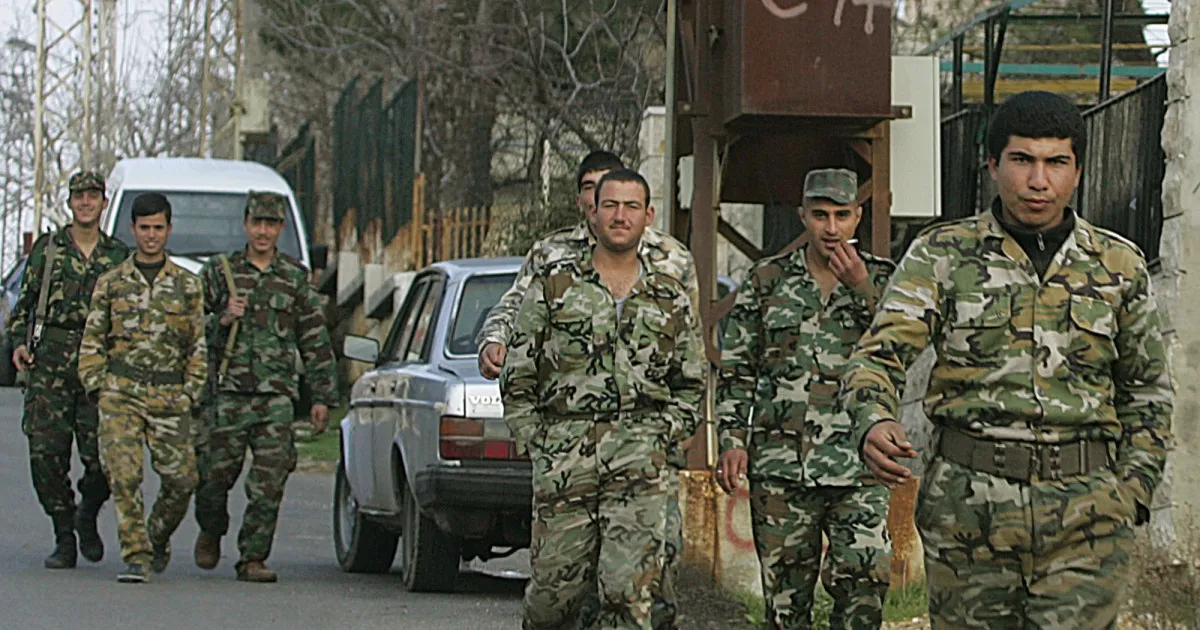
While Syria possesses a lengthy border with Lebanon, facilitating troop movements, and some elements within its reformed army have historical experience confronting Hezbollah, these factors alone are insufficient for a broad military campaign. The Syrian armed forces are currently undergoing a critical phase of unification and reorganization, focusing on command structures, armament, and deployment strategies. Furthermore, the Syrian state grapples with significant internal security issues and a fragile economy. Committing resources to an external front would divert essential funds and personnel needed for domestic institutional development and public services.
Limited operations, such as securing borders, closing smuggling routes, and preventing infiltration, are within Syria's current capabilities. However, sustaining control over areas deep within Lebanon or managing a prolonged war of attrition in densely populated regions would pose considerable challenges. The ease of entering Lebanon contrasts sharply with the difficulty of defining terms for withdrawal, especially if departure becomes contingent on a political resolution that Damascus cannot unilaterally secure.
The Specter of Iranian Retaliation
A significant concern for Syria is the potential for Iranian retaliation. Iran might not need to initiate a direct war; it could orchestrate responses through allied groups in Iraq, targeting Syrian military installations with drones and missiles, or conducting covert security operations that would exhaust Damascus without overt conflict. The possibility of direct Iranian bombardment cannot be dismissed, as evidenced by past incidents such as the Iranian attack on US forces near al-Tanf in southern Syria. Any such conflict, whether managed through proxies or a declared confrontation, would inevitably deter investors, undermining President Ahmed al-Sharaa's core objectives of stability, economic recovery, and reintegration into the international financial system.
Legitimacy, Sovereignty, and Domestic Stability
Beyond economic considerations, an intervention in Lebanon could jeopardize the progress made in unifying Syria's armed forces. Military setbacks could reignite factional loyalties within the army, granting undue influence to field commanders independent of central leadership. Furthermore, the issue of legitimacy is critical. While many Syrians harbor resentment towards Hezbollah for its role in supporting the Assad regime, this does not translate into public support for a war in Lebanon that appears to serve American or Israeli interests. Such an intervention could erode the Syrian leadership's domestic and regional legitimacy, which would be challenging to restore.
Internationally, deploying Syrian forces into Lebanon without an official request from the Lebanese government would constitute a violation of sovereignty, evoking painful memories of the Syrian military presence from 1976 to 2005. This could shift the focus of the Lebanese internal debate from Hezbollah's armament to the presence of Syrian troops, potentially strengthening Hezbollah by uniting it with other political factions against perceived foreign intervention. Moreover, Israel's continued occupation of Lebanese territory complicates any disarmament efforts. Attempting disarmament prior to an Israeli withdrawal could be perceived as serving Israeli interests, weakening the Lebanese government's ability to garner support for such a move within its Shia community.
The Unlikely Path of Direct Intervention
Should conflict escalate into areas like the Bekaa, Beirut's southern suburbs, or the south, it could trigger a broader internal conflict, particularly if Hezbollah's social base feels its position within the political system is threatened. This could lead to further displacement, economic collapse, and expanded Iranian and Israeli involvement, ultimately destabilizing both Lebanon and Syria. Given these profound risks, a direct Syrian military intervention in Lebanon remains highly improbable.
A more realistic and sustainable approach would be limited operations within Syrian territory, focusing on border control, disrupting smuggling networks, and intelligence sharing with the Lebanese army. This strategy would curtail Hezbollah's logistical capabilities without granting it the legitimacy of resisting foreign intervention, while also respecting Lebanese sovereignty and the responsibility of Lebanese institutions in addressing the disarmament issue. Ultimately, despite external pressures, the extensive costs and risks associated with initiating a new conflict far outweigh any potential benefits for Damascus, making a direct intervention an untenable option.