Damascus Pushes Back Against Israeli Justification for Airstrikes
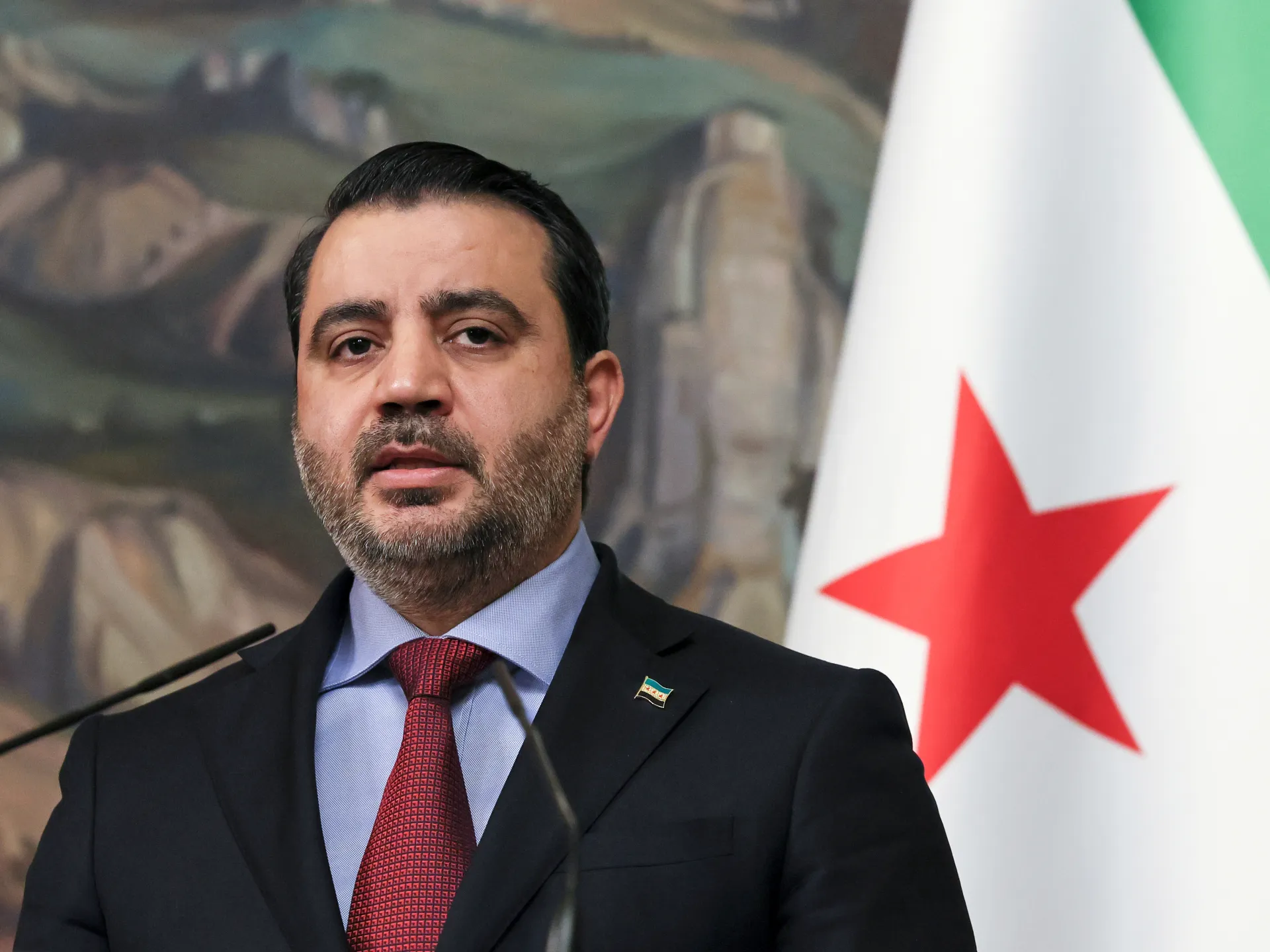
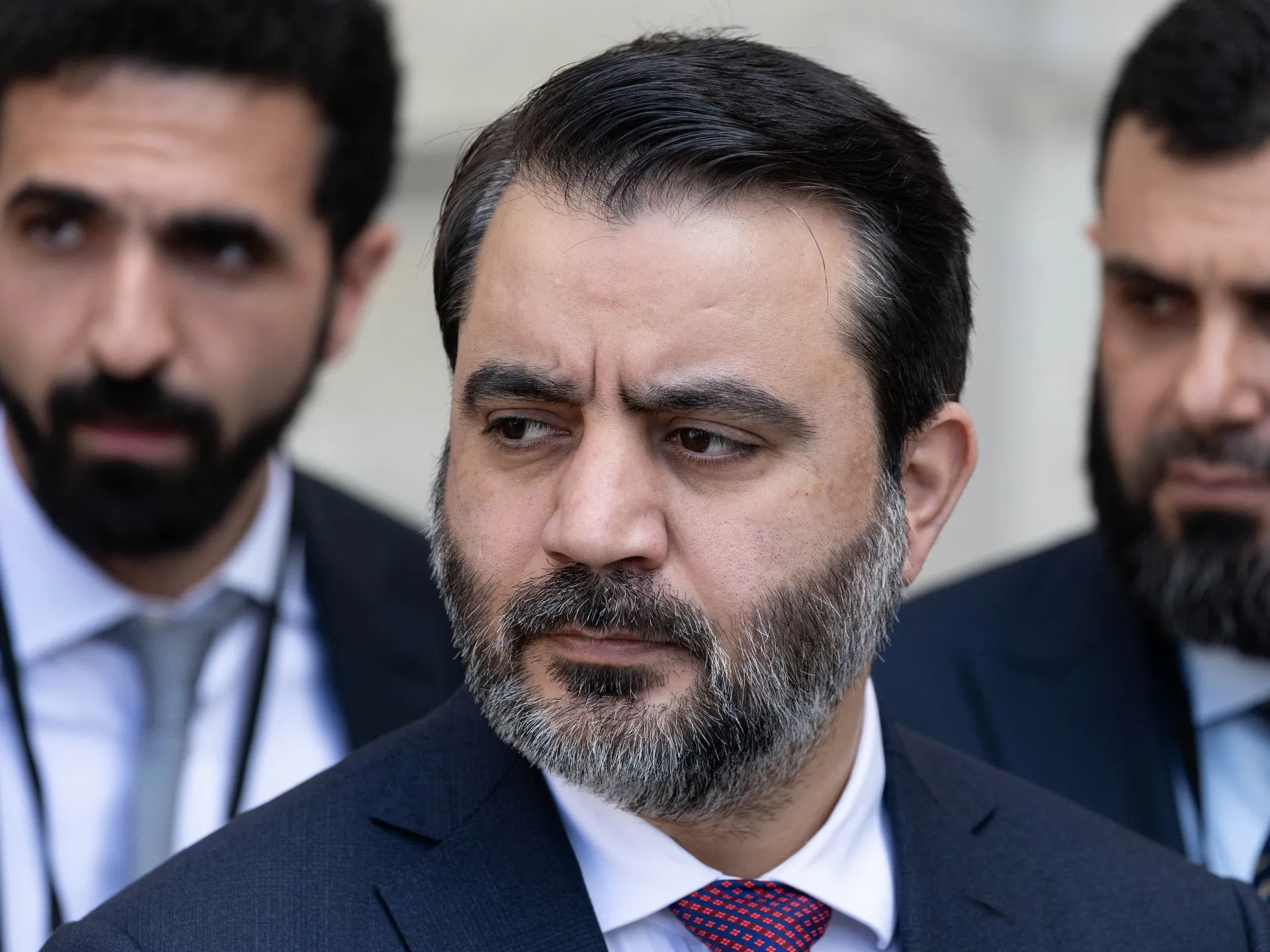
Syria's Foreign Minister Asaad al-Shaibani has firmly denied that Damascus has any plans to allow a permanent Turkish military presence at the Abu al-Duhur airbase, which was targeted by Israeli airstrikes earlier this week. Speaking in an interview with American news outlet Axios on Wednesday, al-Shaibani acknowledged that Turkish military personnel had visited the facility, but characterized those visits as part of routine training activities and broader bilateral defense cooperation — not the groundwork for a permanent base.
"There was no intention to establish a Turkish base there, nor to establish a permanent Turkish military presence or deploy Turkish forces at the site," al-Shaibani stated, adding that he had communicated this position directly to Israeli officials.
Israeli Strikes Target Syrian Airbase Near Aleppo
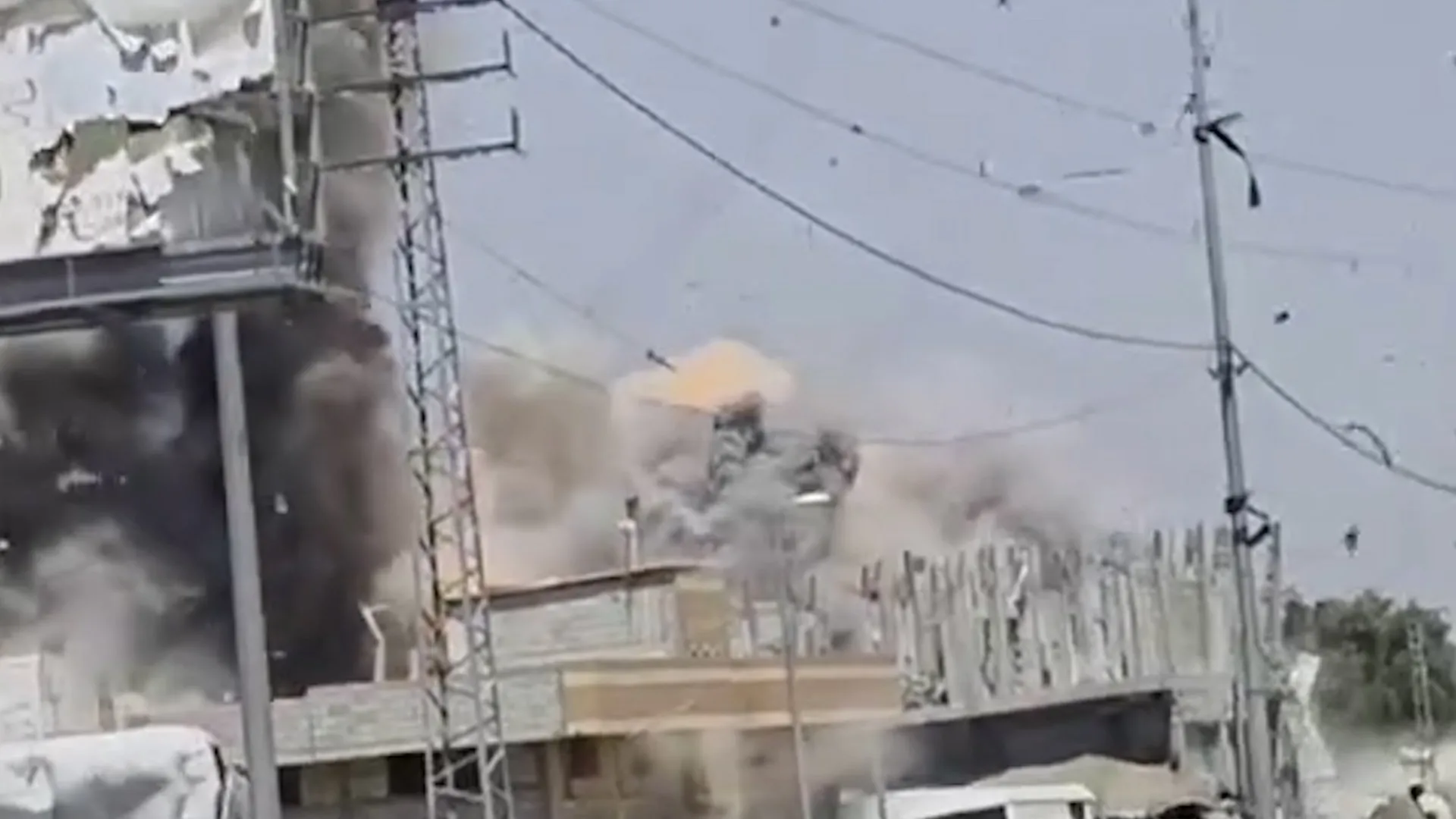
On Tuesday, Israel conducted eight airstrikes against the runway and storage facilities at Abu al-Duhur, located near the city of Aleppo. According to Syrian state media, the assault marked what appeared to be Israel's first direct military action against Syrian government assets since March. No casualties were reported, though the strikes drew widespread condemnation from the international community.
Al-Shaibani argued that Israel had no legitimate basis for the attack and called the strikes a destabilizing act. While he indicated that Syria was open to negotiations with Israel aimed at reducing tensions, he stressed that any future agreement would need to account for the security interests of both nations. He further warned that continued Israeli military operations risk inflaming an already volatile region.
Netanyahu Defends Israeli Action, Warns Against Turkish Presence
Israeli Prime Minister Benjamin Netanyahu confirmed that Israel had issued warnings to Syria ahead of the strikes, cautioning Damascus against permitting any Turkish military foothold at the base. Reflecting on those warnings, Netanyahu remarked on Wednesday: "Our message was very clear. Don't. I guess they didn't quite understand the message."
Israeli Defense Minister Israel Katz went further on Thursday, accusing Turkish President Recep Tayyip Erdogan of "dragging Turkiye into dangerous adventures in Syria." Katz issued a stern warning that Israel would not permit any actor to compromise its national security, adding: "It is preferable for Erdogan to continue delivering empty, delusional speeches against Israel in the Turkish parliament rather than testing Israel's resolve to defend itself."
Ankara Rejects Israeli Allegations, Pledges Continued Support for Syria
Turkiye swiftly pushed back against what its officials described as unfounded accusations. The Turkish Defense Ministry stated on Thursday that no military delegation was present at the airbase either before or during the Israeli strikes. Ankara also reaffirmed its commitment to helping Syria build up its own military capabilities and infrastructure, framing its involvement as supportive rather than expansionary.
The Turkish ministry called on the international community to adopt more concrete and effective measures against what it characterized as Israeli actions threatening regional peace and stability. Turkiye, a NATO member state, has become one of Syrian President Ahmed al-Sharaa's most prominent international backers since the country's political transition and has repeatedly accused Israel of attempting to destabilize Syria and undermine its new governing administration.
Broader Context: A Region on Edge
The airstrikes and the diplomatic fallout they have triggered reflect the increasingly complex and combustible dynamics playing out in Syria, where both Israeli and Turkish forces maintain active military positions with divergent strategic interests. The two countries have historically found themselves at odds over Syria's future, and the latest incident underscores how fragile the situation remains.
Key points surrounding the dispute include:
- Israel struck the Abu al-Duhur airbase near Aleppo, claiming it was acting to prevent a Turkish military buildup
- Syria's foreign minister denied any Turkish base was planned, calling the facility largely empty
- Turkiye denied having personnel at the site during the strikes and condemned the attack
- Both Turkiye and Syria have called for international pressure on Israel to respect Syrian territorial integrity
- Israel and Turkiye had previously established a communication channel to prevent accidental clashes in Syria
Despite that communication channel — established the previous year — the latest episode demonstrates how quickly misunderstandings or competing interests can push the situation toward open confrontation. With no immediate signs of diplomatic resolution, regional observers are watching closely to see whether the incident will prompt further Israeli military action or renewed efforts at dialogue between the parties involved.