Strategic Shifts in Western Sudan
In a notable turn of events, the Sudanese military, supported by allied factions, has mounted a successful counteroffensive in the western Darfur region. This operation has yielded several victories against the paramilitary Rapid Support Forces (RSF), marking a potential shift in the ongoing conflict. The early days of August witnessed the Sudanese army and its partners effectively repelling two consecutive RSF assaults in the critical Bir Saliba area. This location, situated approximately 30 kilometers (nearly 20 miles) north of el-Geneina, the capital of West Darfur state, is considered the RSF's last significant stronghold in the region.
Targeting Supply Routes and Key Positions
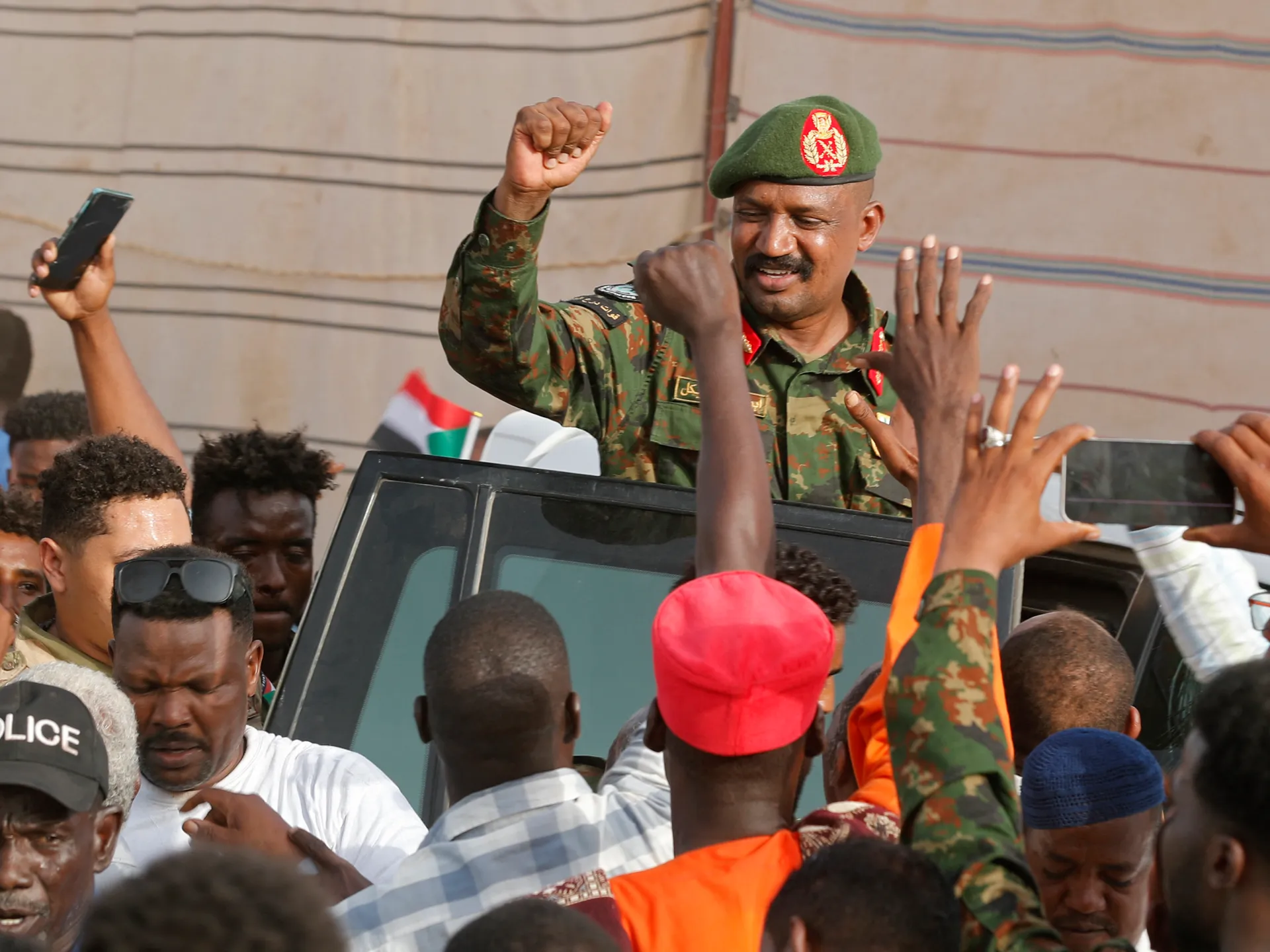
A central component of the government-backed forces' strategy involves exerting pressure on the RSF's logistical networks. By seizing control of border crossings and desert routes along the Chad frontier, the military aims to disrupt vital supply lines. This tactical approach could signify an impending focus on el-Geneina. General Bahr al-Din Adam Karama, the governor of West Darfur state, underscored the strategic importance of the Bir Saliba region, highlighting its extensive road network that connects the state capital with northwestern areas, including Jebel Moon and Kulbus.
Significant Losses for the RSF
Darfur Regional Governor Minni Arko Minnawi announced the reported death of Major General Mahdi Adam, also known as “Jebel Moon,” a prominent RSF field commander, during recent engagements in western Sudan. While the RSF has not officially confirmed this report, if accurate, it would represent a substantial blow to the paramilitary group, creating a leadership void along this critical western front. Minnawi further stated that the Joint Force of the Armed Struggle Movements, a coalition of former Darfur rebel groups that aligned with the Sudanese army after signing the 2020 Juba Peace Agreement, successfully thwarted an RSF attempt to encircle Bir Saliba. This incident involved one RSF contingent advancing from north of Kulbus while another moved from the Sileia area in Jebel Moon, culminating in a large-scale attack on the Joint Force.
“[The RSF] bet on the element of surprise to break through the Joint Force’s defences, but they received another lesson,” Minnawi commented.
Battlefield Successes and Strategic Advances
Major Mutawakkil Ali Wakil Abu-Ja, spokesman for the Joint Force, reported significant successes in the recent campaign. He informed Al Jazeera that the Joint Force destroyed over 38 combat vehicles and confiscated 27 others. The commander of the attacking RSF force was also reportedly killed, with RSF fighters abandoning their positions and leaving behind casualties. Abu-Ja indicated that ongoing efforts are focused on securing the western axis and intensifying pressure on the RSF in anticipation of what he described as a decisive confrontation for el-Geneina. Major General Othman Siraj added that airstrikes on a convoy near the Chadian border have further isolated the RSF, disrupting a crucial supply route for the paramilitary group. He believes that the multi-front pressure exerted by the army is preventing the RSF from regrouping, thereby setting the stage for the final battle for el-Geneina.
Fadel Kaya, a leader and adviser with the Sudan Liberation Movement/Army – Transitional Council (SLM/TC), a Darfur rebel faction that signed the 2020 Juba Peace Agreement, suggested that the Joint Force's victories in West Darfur indicate a strategic shift by the RSF from territorial acquisition to a posture of retreat from key positions.
The Role of Drone Warfare and Displacement
In North Kordofan state, located in central Sudan, the RSF has increasingly resorted to drone technology to compensate for the loss of the strategic route connecting Omdurman and el-Obeid. This route had served as a primary supply artery for the RSF until the army recaptured it on July 27. Amin Ishaq Zakaria, an SLM/TC spokesman, stated to Al Jazeera that the RSF's increased reliance on drones reflects “a predicament on the ground and an inability to engage in direct confrontations after losing vital positions.” He also noted that Sudanese armed forces had seized several attack drones along the Jabra al-Sheikh axis during the counteroffensive.
The recent escalation in hostilities has led to a significant humanitarian crisis. The International Organization for Migration reported that over 6,650 individuals from 11 villages in the Sirba region have been displaced. United Nations estimates indicate that more than 13 million people have been displaced since the conflict between the military and RSF erupted in April 2023. Furthermore, the RSF and its allies have established a rival administration, known as the Tasis government, operating in opposition to the Sudanese government based in Port Sudan.