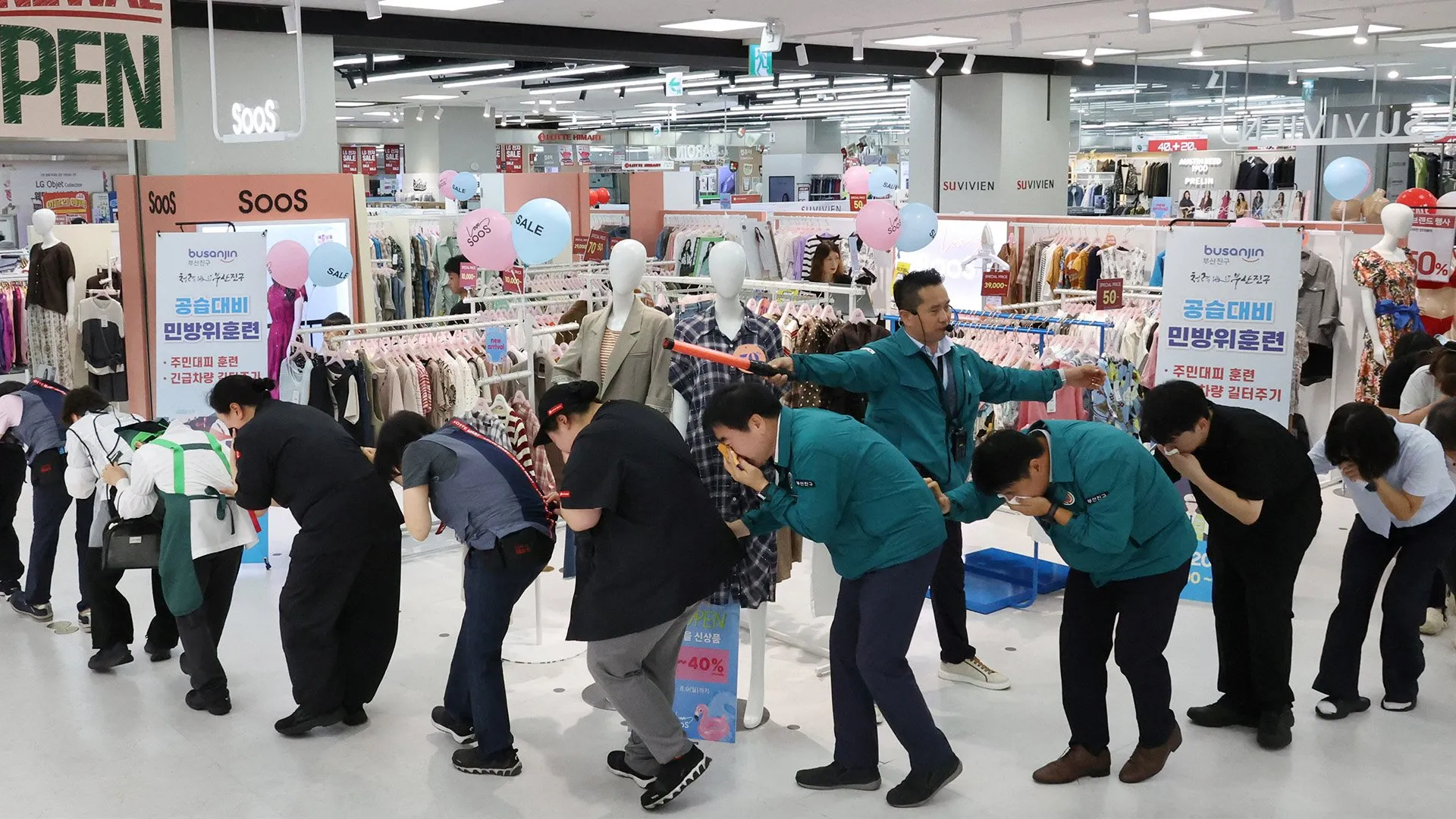
South Korea Tests Civil Defence Readiness With Nationwide Air Raid Simulation
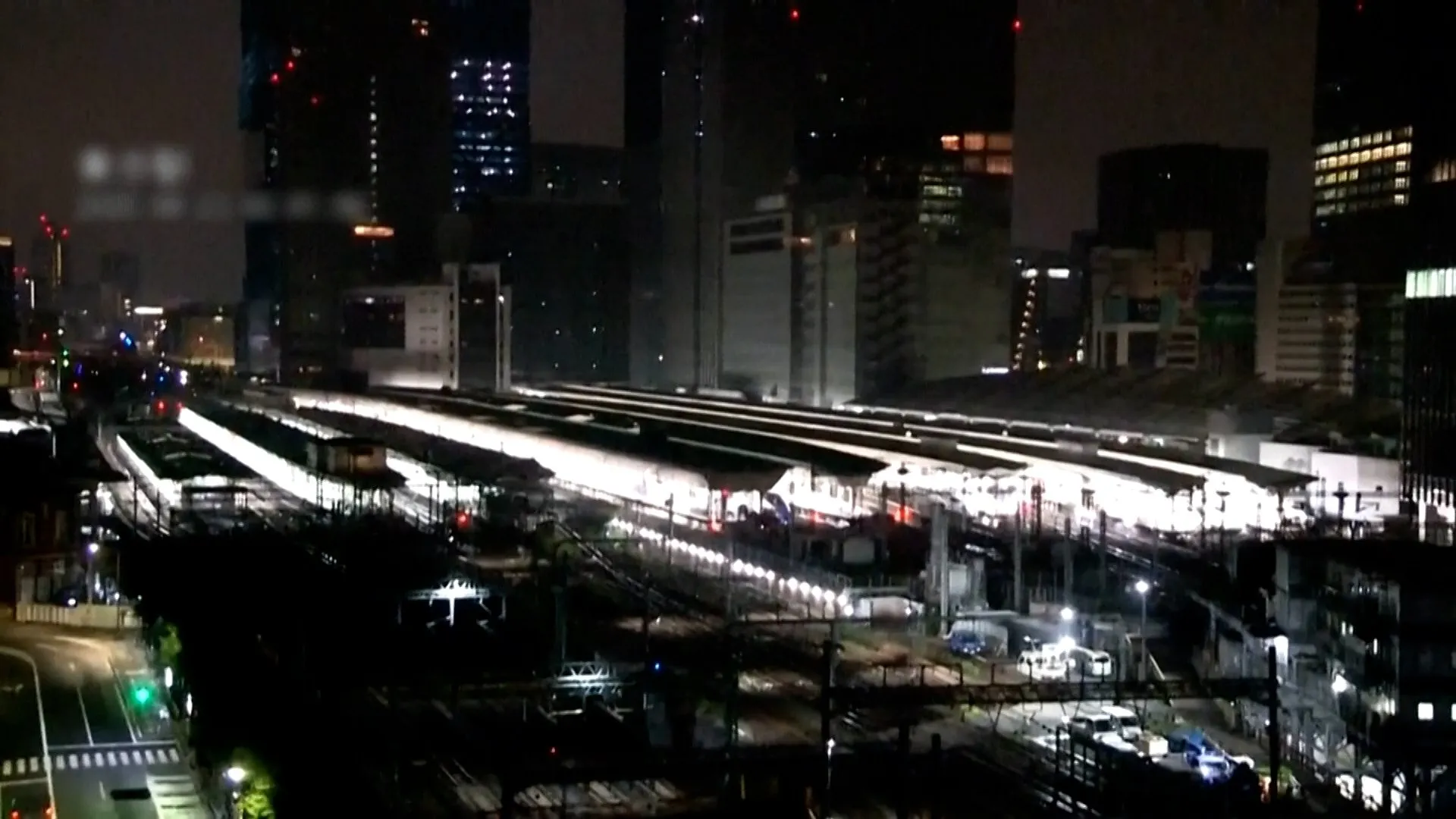
South Korea recently conducted a nationwide civil defence drill simulating an air raid attack, with alarms sounding across the country for approximately 20 minutes. The exercise was timed to coincide with ongoing joint military drills involving South Korean and United States armed forces, highlighting the continued importance both nations place on military preparedness on the Korean Peninsula.
Details of the Drill
The air raid simulation, which is held annually, required citizens and emergency response personnel across the country to follow established civil defence protocols. Sirens rang out in cities and towns nationwide as part of the coordinated exercise designed to test the country's ability to respond swiftly and effectively to a potential aerial threat.
Such drills have long been a feature of South Korean public safety planning, reflecting the country's unique geopolitical position and the persistent security concerns stemming from its neighbour to the north. The exercises serve not only as a test of emergency infrastructure but also as a means of keeping the general population familiar with response procedures.
Joint Military Exercises With the United States
The civil defence drill was conducted in parallel with scheduled joint military exercises between South Korea and the United States. These combined military drills are a longstanding component of the security alliance between the two countries and are typically held on a regular basis throughout the year.
However, the most recent round of exercises drew notable attention after President Donald Trump intervened to shorten their duration just hours before they were set to begin. The decision to scale back the exercises was announced with little prior warning, catching both military planners and observers off guard. The move reflects a pattern seen during Trump's previous and current administrations, in which the scope or nature of joint military activities with South Korea has occasionally been adjusted, sometimes as part of broader diplomatic signalling toward North Korea.
Reactions and Context
The decision to reduce the length of the joint exercises has prompted a range of reactions from analysts and observers familiar with the region's security dynamics. Some have raised concerns that scaling back such exercises could affect military readiness and potentially send ambiguous signals about the strength of the US-South Korea alliance. Others have suggested that such adjustments may be part of a broader diplomatic strategy aimed at reducing tensions on the peninsula.
South Korea, for its part, has maintained a strong emphasis on domestic civil defence capabilities regardless of the status of joint drills with allied nations. The annual air raid exercise is considered an essential element of the country's overall security posture, ensuring that both civilian and government institutions remain prepared for a range of potential threats.
The Broader Security Landscape
The Korean Peninsula remains one of the world's most closely watched security flashpoints. North Korea has continued to develop and test ballistic missile and nuclear capabilities in recent years, drawing international condemnation and prompting ongoing diplomatic efforts by regional powers and the broader international community.
South Korea's alliance with the United States, which dates back to the Korean War in the early 1950s, remains the cornerstone of the country's defence strategy. Tens of thousands of US troops are currently stationed on South Korean soil, and the two nations regularly conduct joint training exercises to maintain a high level of interoperability between their respective military forces.
The timing of civil defence drills alongside military exercises is generally seen as a deliberate effort to reinforce readiness across both military and civilian domains simultaneously. By running the air raid simulation in conjunction with the joint military activities, South Korean authorities are able to assess the country's overall emergency response capacity in a more comprehensive manner.
Annual Drill Tradition
South Korea has maintained a tradition of conducting civil defence drills for decades. These exercises vary in scale and complexity but consistently aim to ensure that the public and government institutions are prepared to act quickly and calmly in the event of a genuine emergency. Participation across the country is expected, and the drills typically involve the temporary halt of traffic and the movement of citizens to designated shelter areas.
Officials have consistently emphasised that such exercises, while sometimes seen as routine, play a critical role in maintaining public safety awareness and institutional readiness. In a region where geopolitical tensions can escalate rapidly, preparedness remains a central priority for South Korean authorities.
As the joint military exercises with the United States continue in their shortened form, attention remains focused on how developments on the peninsula will unfold in the weeks ahead, particularly in relation to any potential diplomatic or military responses from North Korea.