Japan Grapples with Extreme Weather After Deluge
Japan's Chiba Prefecture, situated in close proximity to the capital city of Tokyo, has recently experienced a period of exceptionally heavy rainfall, resulting in significant flooding and a subsequent humanitarian crisis. The severe weather event has tragically claimed the lives of at least four individuals, with one person still reported as missing. The deluge prompted an extensive emergency response, including large-scale evacuation orders affecting a substantial portion of the local population.
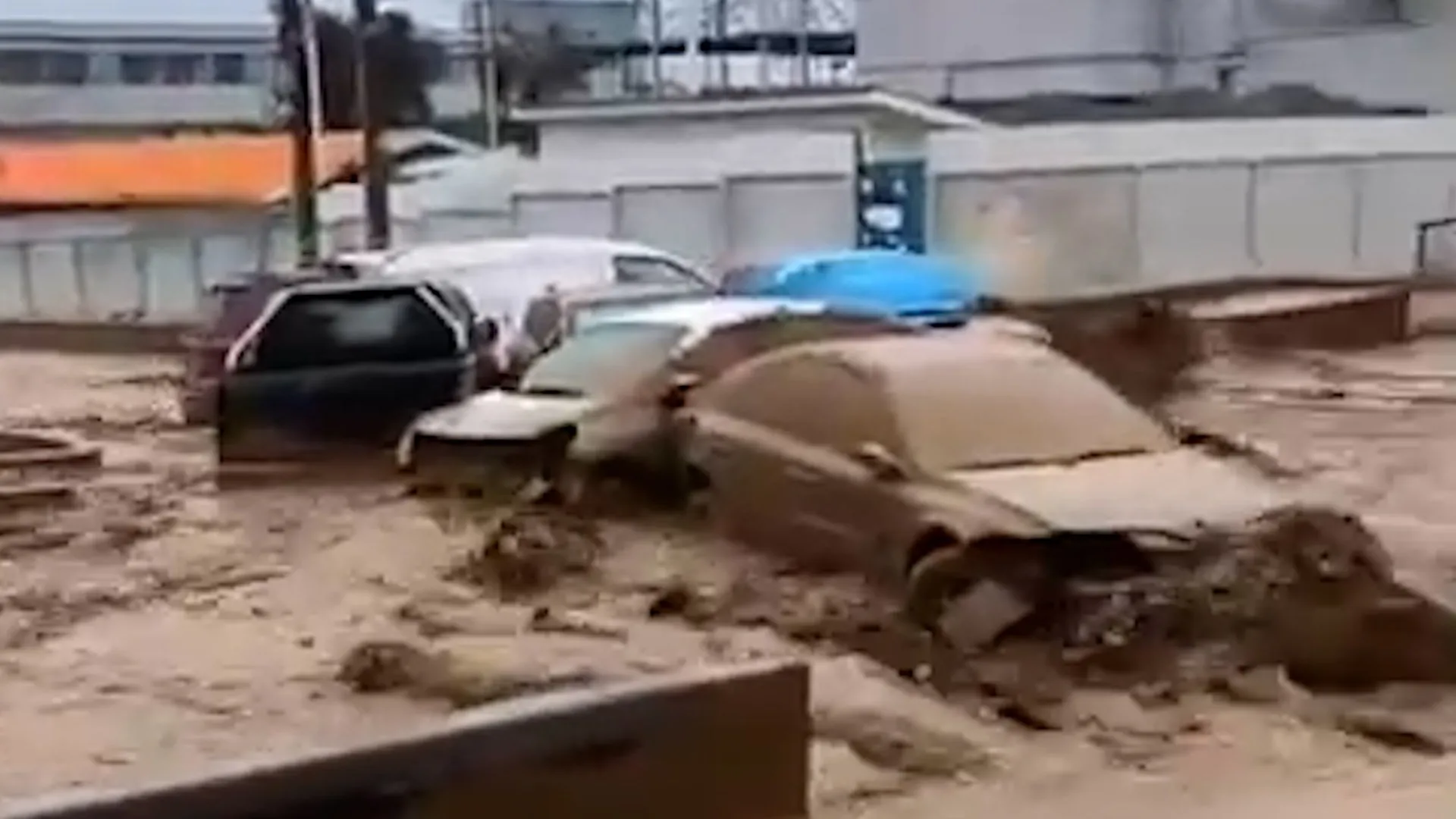
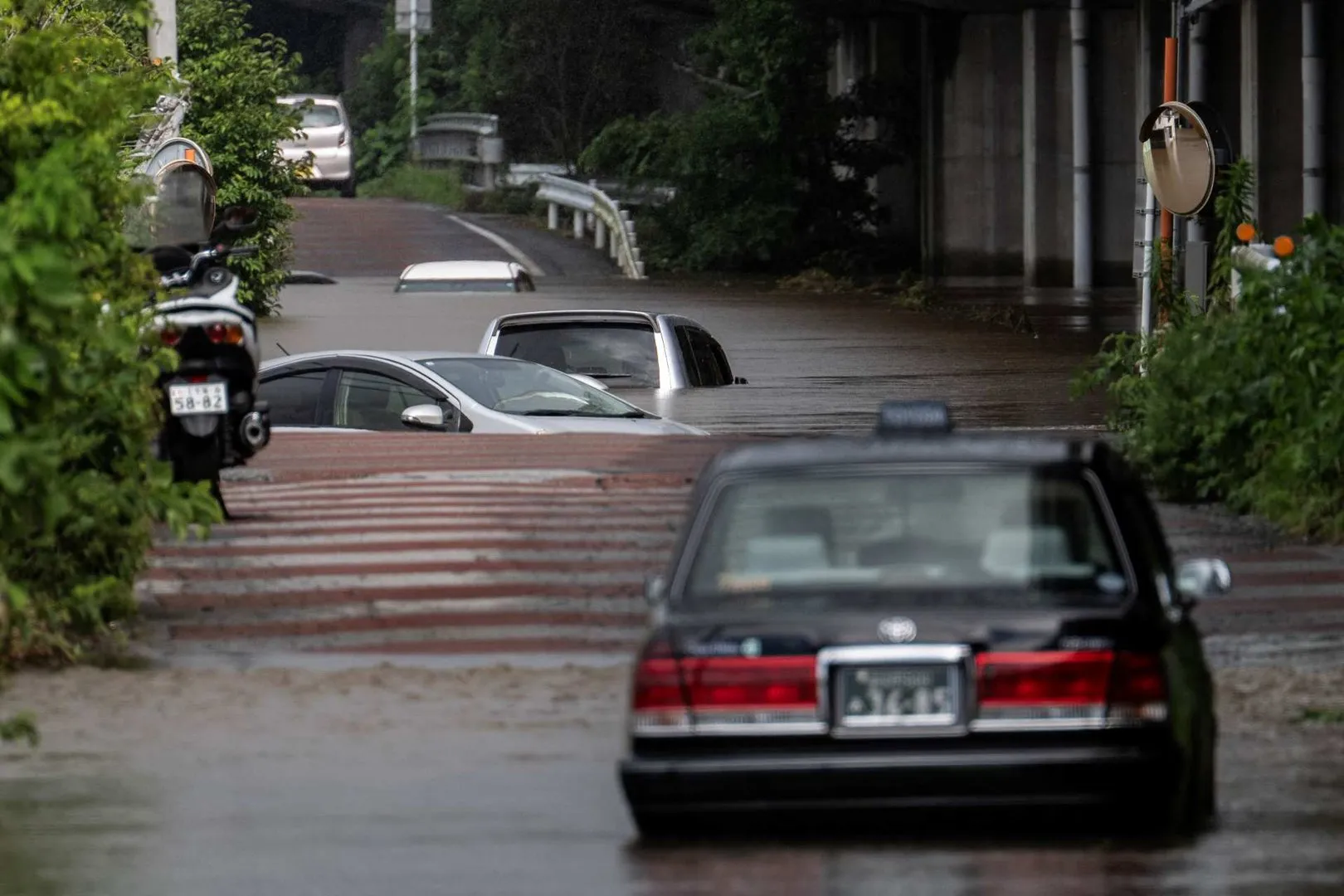
The extreme precipitation levels observed across Chiba Prefecture are being described by meteorological experts as record-breaking, underscoring the unusual intensity and volume of water that inundated the region. This climatic event led to a rapid escalation of floodwaters, overwhelming natural drainage systems and man-made infrastructure alike. Rivers burst their banks, and low-lying areas quickly became submerged, transforming roads into impassable waterways and isolating communities.
Widespread Displacement and Ongoing Flood Threats
In response to the escalating danger, authorities issued urgent directives for more than 400,000 residents to evacuate their homes. These orders were a precautionary measure, designed to move people away from areas deemed at high risk of further flooding, landslides, and other related hazards. The sheer number of individuals required to relocate highlights the gravity of the situation and the broad geographical impact of the adverse weather conditions. Evacuation centers were established to provide temporary shelter, food, and essential services to those displaced by the floods.
Despite a reported easing of the rainfall in the immediate aftermath of the peak intensity, the threat of flooding remains critically high across the prefecture. The ground is thoroughly saturated, and water levels in rivers and reservoirs continue to pose a significant risk. This sustained danger means that communities must remain vigilant, and the return of evacuees to their homes will be a carefully managed process, contingent on thorough assessments of safety and stability. Infrastructure, including vital transportation links and utility networks, has been severely disrupted, complicating relief efforts and the assessment of damage.
Emergency Response and Recovery Efforts Underway
Emergency services, including rescue teams, police, and military personnel, have been actively engaged in search and rescue operations, particularly in areas where residents were trapped or unaccounted for. Their efforts have focused on locating the missing individual and providing assistance to those cut off by floodwaters. Medical teams are also on standby, addressing immediate health concerns and providing support to affected populations.
The long-term implications of this flooding event for Chiba Prefecture are considerable. Beyond the immediate loss of life and displacement, the economic impact on local businesses, agriculture, and infrastructure is expected to be substantial. Many homes and properties have sustained significant damage, requiring extensive repairs or rebuilding. The agricultural sector, a key component of the local economy, has likely suffered considerable losses due to inundated fields and damaged crops, which could have ripple effects on food supply and local livelihoods.
As the immediate crisis subsides, the focus will shift towards comprehensive recovery and reconstruction efforts. This will involve not only repairing physical damage but also providing psychological support to those who have experienced trauma and loss. Lessons learned from this event will likely inform future disaster preparedness strategies, emphasizing the importance of robust early warning systems, effective evacuation protocols, and resilient infrastructure in the face of increasingly unpredictable weather patterns influenced by climate change. The Chiba flooding serves as a stark reminder of the vulnerability of even highly developed regions to the destructive power of extreme natural phenomena.