Maintaining Autonomy: The Delicate Balance Between Politics and Sport
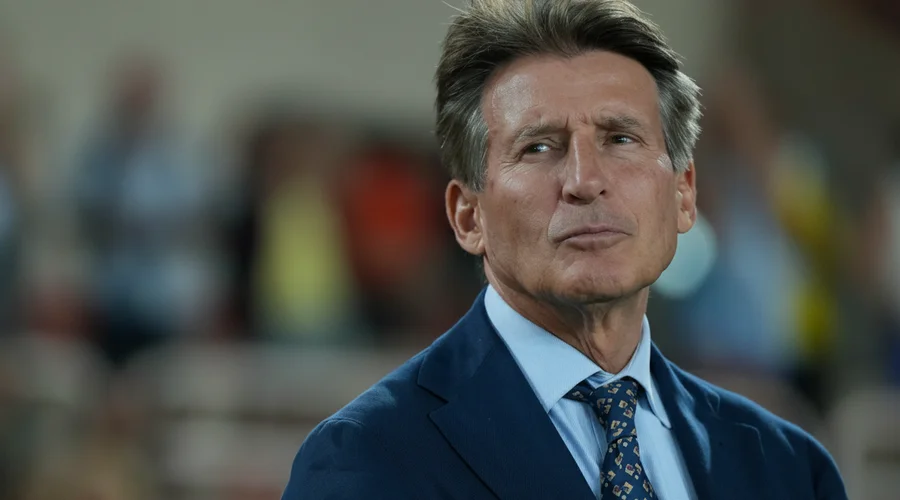
Sebastian Coe, the President of World Athletics, has articulated a crucial perspective on the relationship between global sports organizations and political entities. His stance, expressed during the European championships, underscores the necessity of engaging with political leaders without ceding control over sports' fundamental operations. Coe's analogy of keeping 'politicians on the bus but not letting them anywhere near the steering wheel' encapsulates this delicate balance, highlighting the need for collaboration while safeguarding the independence of sporting bodies.
This discussion comes at a pertinent time, with the 2028 Los Angeles Olympics on the horizon, prompting reflections on how to navigate potential political challenges. Coe, a former member of the British parliament and a two-time Olympic gold medalist, brings a unique dual perspective to this issue, having successfully led the bidding and organizing committees for the 2012 London Olympics. He acknowledges the critical role government relationships play in the logistical success of major events, citing essential collaborations with treasury, defense, and homeland security departments.
However, Coe draws a clear line when political influence attempts to dictate sporting outcomes. He referenced a controversial incident involving the FIFA World Cup, where a phone call from a head of state reportedly led to the overturning of a red-card suspension for a player. Coe stressed that in such scenarios, the resilience of a sporting organization is paramount, enabling it to respectfully decline external interference. He emphasized that while strong governmental ties are vital for event delivery, they must not compromise the integrity and autonomy of sports governance.
Private Equity's Role and FIFA's Credibility Challenges
Beyond political interference, Coe also addressed the growing trend of private equity investment in sports, a topic that has gained prominence following FIFA President Gianni Infantino's controversial proposal to sell World Cup profits to private investors. While Infantino's plan faced significant pushback, Coe noted that private equity and sovereign wealth funds have been actively investing in sports for over a decade, making it 'not as unfamiliar territory as people tend to think.'
Coe explained that many individual athletics federations are exploring partnerships with external revenue sources, including private equity, to bolster their financial capabilities. He views this as a natural progression, driven by the ambitions of member federations to increase revenues. However, he cautioned that any such partnerships must be underpinned by robust governance structures, transparency, and thorough consultation to ensure the sport's integrity is maintained. He highlighted the importance of clearly articulating the rationale, ambition, and execution plan for such investments to all stakeholders.
The discussion around private equity also touched upon FIFA's credibility crisis, which Coe indirectly referenced. Despite the controversy surrounding Infantino's proposal, he received support from some quarters, including the executive director of the White House Task Force for the recently completed World Cup, who dismissed criticisms as 'just politics.' Coe's emphasis on strong governance and transparency suggests a proactive approach to managing financial partnerships, aiming to avoid the kind of backlash FIFA experienced.
With World Athletics' broadcast and sponsorship deals set to expire in 2029, Coe acknowledged that seeking external revenue sources is an 'absolutely critical conversation' that has been ongoing for several years at the executive board level. This indicates a strategic consideration of various funding models to ensure the sport's continued growth and stability.
Defending the Ban on Russian Athletes
Another significant issue Coe plans to confront is the World Athletics' ban on Russian athletes. Despite the International Olympic Committee (IOC) lifting its suspension of the Russian Olympic Committee and advising other sports bodies to allow Russian athletes to compete as neutrals, World Athletics has maintained its ban, which was imposed after the invasion of Ukraine. Russian Athletics has challenged this sanction at the Court of Arbitration for Sport (CAS).
Coe affirmed his intention to personally defend World Athletics' position at CAS. He stated that the ban is not about politics or nationality but about preserving the integrity of competition. He emphasized that the primacy of an international federation to determine eligibility rules within its sport is a fundamental principle that has been upheld by the court on previous occasions. Coe, who unsuccessfully vied for the IOC presidency last year, reiterated that World Athletics will continue to act in what it believes is the best interest of its sport, prioritizing competitive integrity above all else.
This resolute stance by Coe highlights the ongoing tension between different international sports bodies regarding the participation of Russian athletes and underscores World Athletics' commitment to its independent decision-making process in matters of ethics and fair play.