Diplomatic Tensions Rise Over Disputed Islands
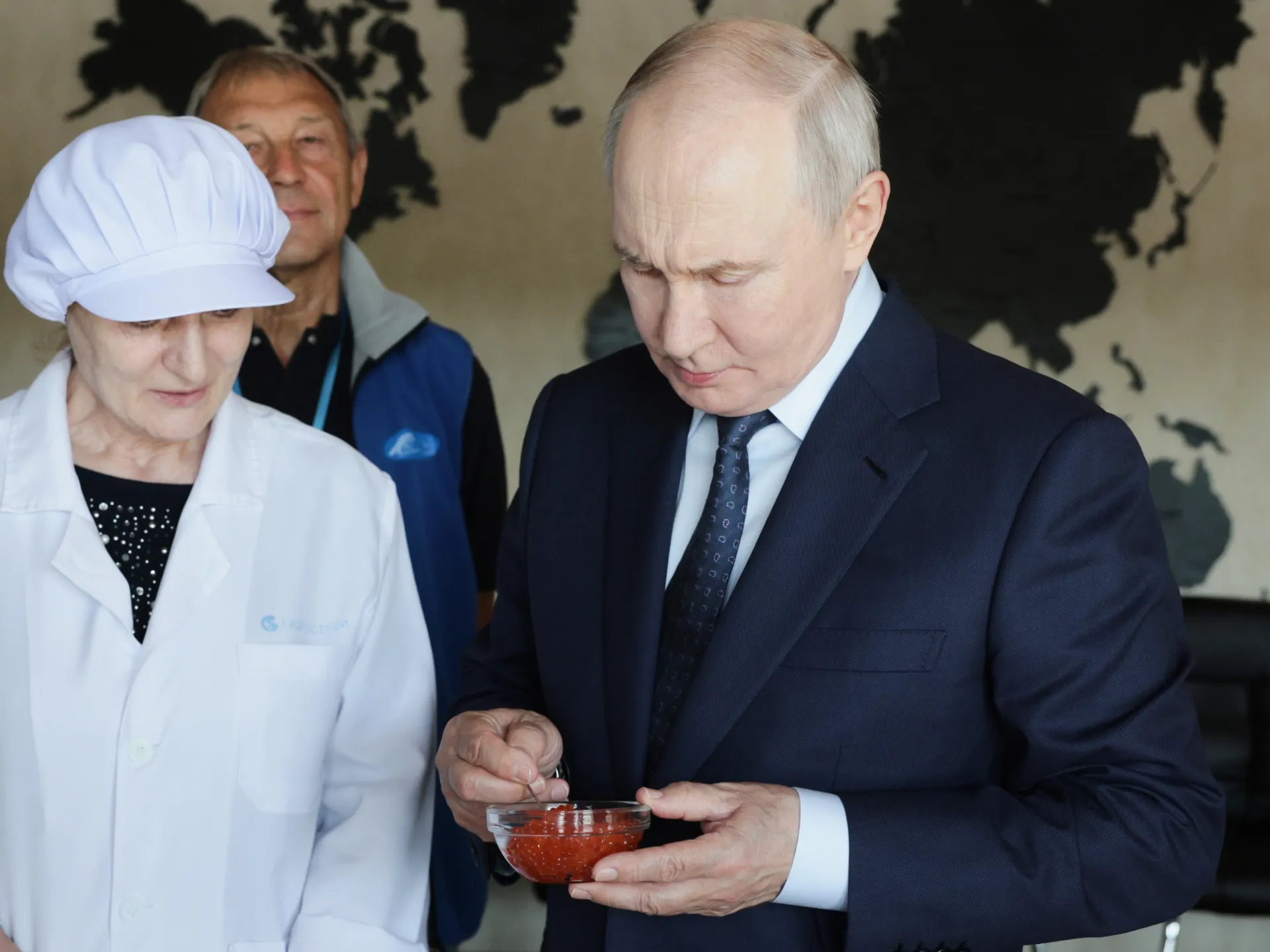
Russia has lodged a strong protest with Japan's ambassador in Moscow regarding what it describes as 'anti-Russian' statements made by Japanese Prime Minister Sanae Takaichi. The diplomatic incident follows Russian President Vladimir Putin's recent visit to one of the contested Kuril Islands, marking his first trip to the territories. This visit, which occurred last Thursday, had already prompted Japan to summon Russia's ambassador to convey its disapproval.
Prime Minister Takaichi characterized President Putin's visit to the disputed islands as 'grave' and 'absolutely unacceptable.' She reiterated Japan's long-standing position, stating, 'The Northern Territories are inherently part of Japan’s territory, both historically and under international law.' Takaichi further expressed concerns that the visit has intensified anti-Russian sentiment within Japan, potentially hindering any future efforts to normalize relations between the two nations in the medium to long term. Japan's ambassador to Moscow reportedly departed a meeting at Russia’s Ministry of Foreign Affairs after approximately 25 minutes, declining to offer any comments to the press.
Historical Context of the Kuril Islands Dispute
The relationship between Russia and Japan has historically been strained by the ongoing dispute over the Kuril Islands, which Japan refers to as the Northern Territories. These islands were seized by the Soviet Union in 1945 during the final stages of World War II, leading to the expulsion of the Japanese population. The unresolved sovereignty over the southern Kuril Islands—specifically Iturup, Kunashir, Shikotan, and the Habomai Islands—has been a significant impediment, preventing Russia and Japan from signing a formal post-World War II peace treaty.
Worsening Bilateral Relations
The latest developments come amidst a broader deterioration in relations between Moscow and Tokyo, particularly since Russia's full-scale invasion of Ukraine in 2022. Japan has aligned itself with other G7 nations in imposing sanctions on Russia and has provided financial and non-lethal defense assistance to Ukraine. Notably, Ukraine has publicly acknowledged Japan's claim over the disputed islands. Japan has also indirectly supported Ukraine's air defense capabilities by exporting domestically produced Patriot interceptor missiles to the United States. This action helps to replenish US stockpiles, which have been diminished due to military aid provided to Kyiv.
Geopolitical Implications and Warnings
Analysts suggest that President Putin's visit to the Kuril Islands could be interpreted as a cautionary message to Japan. This message may aim to deter Tokyo from deepening its support for Ukraine, particularly by directly supplying Patriot missiles to Kyiv or by fostering closer collaboration with NATO. In recent years, Japan has taken steps to relax its traditionally pacifist policies, including lifting a ban on lethal weapons exports. However, despite these changes, Japan's current legal framework prevents it from directly supplying lethal military equipment to a country actively engaged in conflict, including Ukraine.
The ongoing tensions highlight the complex interplay of historical grievances, territorial disputes, and contemporary geopolitical alignments. The Kuril Islands remain a focal point of contention, influencing not only bilateral relations between Russia and Japan but also resonating within the broader international context of the conflict in Ukraine and regional security dynamics. The diplomatic exchanges underscore the fragile nature of peace and stability in East Asia and the continued impact of historical conflicts on modern international relations.