Context of Operations in the West Bank
The Israeli military has been conducting extensive operations across the West Bank, particularly in areas designated as flashpoints. These operations frequently involve nighttime raids, house-to-house searches, and the apprehension of individuals described as suspects. The stated aim of these activities is often to counter perceived security threats and dismantle militant infrastructure. However, these operations are also a significant source of tension and friction within the Palestinian communities, frequently leading to confrontations and accusations of excessive force or collective punishment. The legal framework governing these operations in occupied territories remains a contentious issue, with international bodies and human rights organizations often scrutinizing the methods employed and the rights afforded to detainees.
Allegations of Detainee Numbering
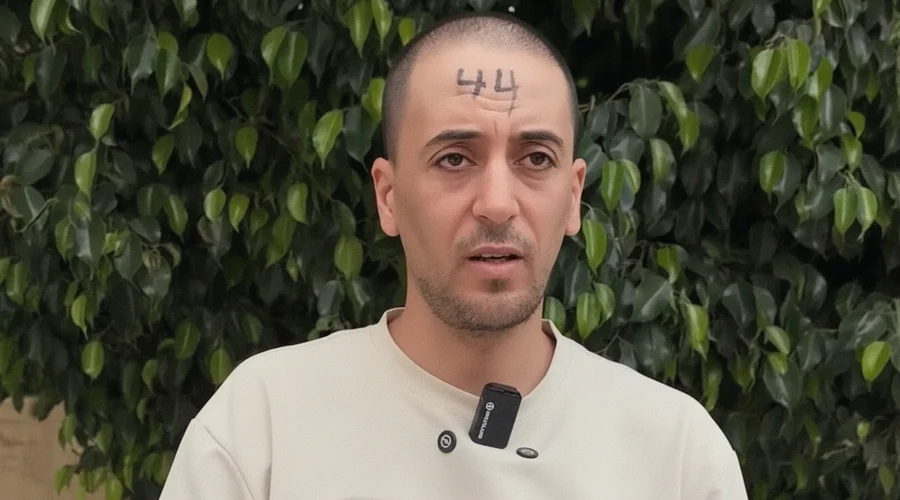
Eyewitness accounts and reports from the ground have surfaced, detailing an unusual practice during a recent mass arrest campaign in Qabatiya, a town located south of Jenin. According to these reports, Palestinian individuals taken into custody by Israeli forces were allegedly marked with numbers. This practice reportedly occurred amid a broader sweep that saw numerous residents detained. The specifics of how these numbers were applied – whether temporarily or more permanently, and by what means – have not been extensively detailed in initial reports, but the very act of numbering detainees has raised significant concerns.
Implications and Historical Parallels
The alleged numbering of detainees carries profound historical and ethical implications. Critics and human rights advocates are quick to draw parallels to historical instances where individuals or groups were systematically numbered, often in contexts of dehumanization or mass incarceration. Such practices are widely condemned as affronts to human dignity and individual identity. The act of stripping individuals of their names and assigning them numerical identifiers can contribute to a sense of depersonalization, making it easier to view them as statistics rather than human beings with inherent rights. This can have long-lasting psychological effects on those subjected to such treatment and can also influence public perception both domestically and internationally.
International Law and Human Rights Concerns
International humanitarian law and human rights conventions provide a framework for the treatment of detainees, emphasizing the importance of respecting their dignity and ensuring their humane treatment. The Fourth Geneva Convention, for example, outlines protections for civilians in occupied territories and explicitly prohibits practices that could be considered humiliating or degrading. The alleged practice of numbering detainees could potentially be interpreted as a violation of these principles, raising questions about whether it constitutes cruel, inhuman, or degrading treatment. Human rights organizations are likely to investigate these reports thoroughly and call for accountability if such practices are substantiated.
Responses and Reactions
The reports have elicited strong reactions from Palestinian officials and advocacy groups, who have condemned the alleged practice as a grave violation of human rights and an act of dehumanization. They argue that such methods exacerbate tensions and further erode trust between the civilian population and the occupying forces. On the other hand, Israeli authorities have yet to issue a comprehensive statement addressing these specific allegations. When such practices are reported, military forces typically respond by either denying the claims, stating that protocols were followed, or indicating that an internal investigation will be conducted. The rationale, if any, for such a numbering system would likely be presented as an administrative or logistical measure to manage large numbers of detainees efficiently, especially during mass arrest operations. However, this justification is often weighed against the ethical and human rights implications.
The Broader Context of Detention in the West Bank
Mass arrests are a recurring feature of the Israeli-Palestinian conflict, particularly in the West Bank. Thousands of Palestinians have been detained over the years, often under administrative detention orders that allow for incarceration without charge or trial. The conditions of detention, the legal processes, and the treatment of prisoners are constant points of contention. Allegations of mistreatment, including physical and psychological abuse, have been documented by various human rights bodies over time. The reported numbering of detainees adds another layer of concern to an already complex and highly sensitive issue, potentially signaling a more systematic approach to managing detainees that prioritizes administrative control over individual dignity.
Looking Ahead
As these reports gain traction, there will likely be increased scrutiny from international bodies, human rights organizations, and media outlets. Calls for independent investigations into the alleged numbering practice are anticipated. The outcome of such inquiries, and the responses from both Israeli and international actors, will be crucial in determining the factual basis of these claims and addressing the broader implications for human rights and the treatment of detainees in occupied territories. The incident underscores the ongoing challenges in upholding human dignity and rights amidst prolonged conflict and military occupation.