
Incident in Al-Eizariya
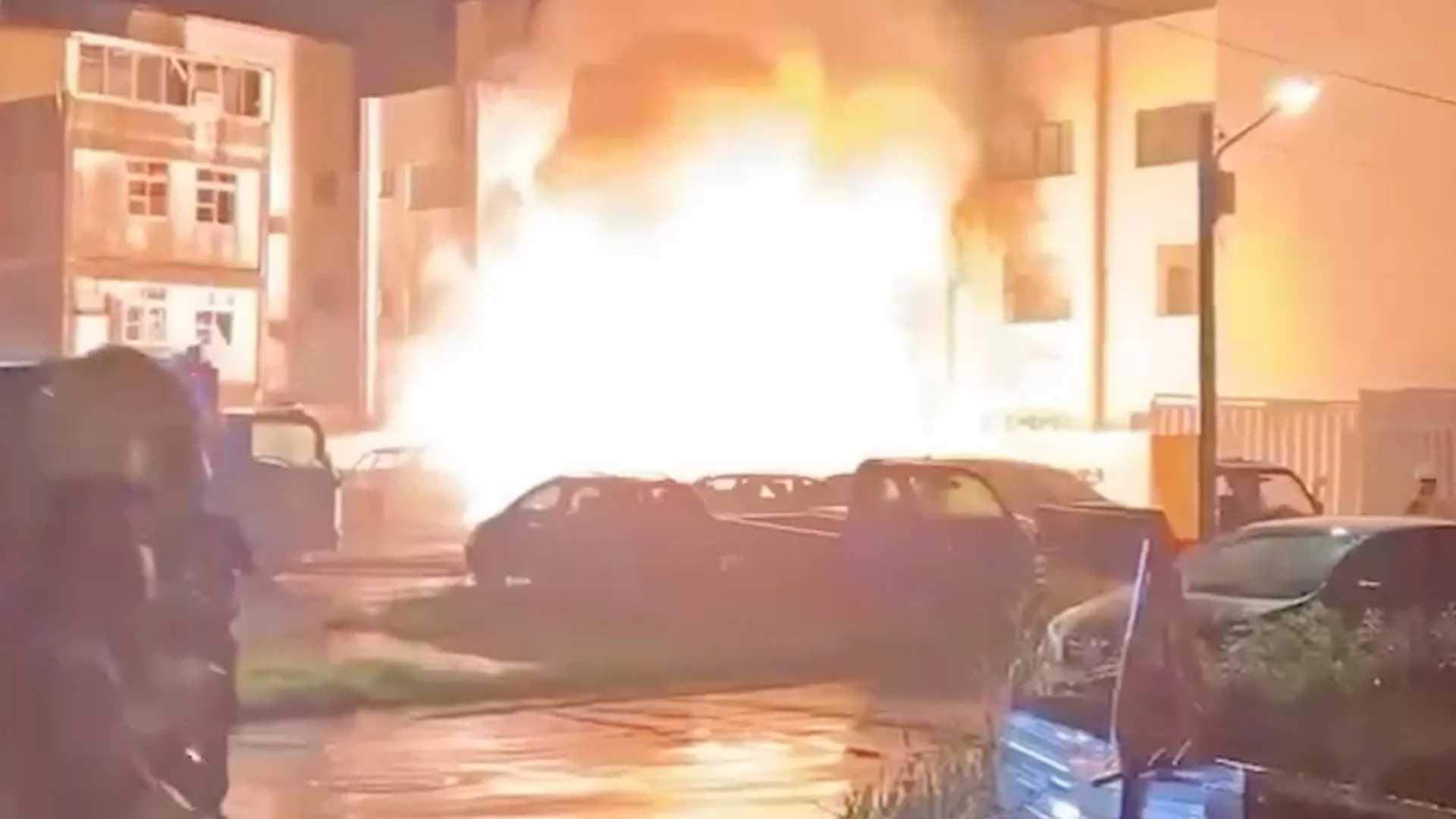
Reports have surfaced concerning an incident in al-Eizariya, a town situated in the occupied West Bank, where Israeli forces reportedly entered a wedding hall. According to the Palestinian news agency WAFA, this action led to altercations with Palestinian individuals who were present at the celebration. Visual documentation, said to be video footage, has been circulated, purporting to show the events as they transpired, with music continuing to play in the background of the venue.
The town of al-Eizariya, also known as Bethany, holds historical and religious significance and is located east of Jerusalem. Like many areas in the West Bank, it is frequently a focal point for interactions and tensions between Israeli forces and the local Palestinian population. Such incidents often draw considerable attention and are viewed through different lenses by various parties involved in the broader Israeli-Palestinian conflict.
Context of Operations in the West Bank
The West Bank, territory occupied by Israel since the 1967 Six-Day War, is subject to a complex administrative and security framework. Under the Oslo Accords, the area is divided into Areas A, B, and C, each with varying degrees of Palestinian and Israeli control. Area A, where al-Eizariya is located, is theoretically under full Palestinian Authority civil and security control. However, Israel frequently conducts military operations within Area A, citing security concerns, which often leads to friction and protests from the Palestinian government and residents.
These operations can range from arrest raids targeting suspected militants to broader security sweeps. The legality and justification of these incursions into areas under Palestinian administrative control are consistently debated on an international level, with human rights organizations often scrutinizing the methods and impacts of such interventions on civilian populations. The presence of Israeli forces in Palestinian towns, particularly during social gatherings, is a recurring source of contention and contributes to the overall volatile environment in the region.
Eyewitness Accounts and Visual Evidence
The reported incident at the wedding hall gained traction largely due to the alleged video footage circulating online. While the specific details surrounding the video's authenticity and the full sequence of events would require further independent verification, such visual evidence plays a crucial role in shaping public perception and international discourse. Eyewitness accounts, as reported by WAFA, describe an unprovoked entry by forces and subsequent assaults on attendees. These accounts often form the basis of initial news reporting and contribute to the narrative put forth by Palestinian media outlets.
In conflict zones, the dissemination of information, especially through visual media, is often a contested space. Both sides typically present their own interpretations and evidence to support their positions. For incidents involving military actions in civilian spaces, the immediate aftermath often sees a rush to document and share information, which can be critical for both accountability and public awareness. However, the fragmented nature of such information often necessitates a cautious approach to fully understanding the events.
Reactions and Implications
Incidents like the one reported in al-Eizariya typically elicit strong reactions from various stakeholders. Palestinian officials and advocacy groups often condemn such actions as violations of international law and human rights, emphasizing the disruption to civilian life and the perceived humiliation of the local population. They argue that such operations undermine efforts towards peace and stability by escalating tensions and fostering resentment.
Conversely, Israeli authorities often justify their military operations in the West Bank by citing security imperatives, including the need to counter terrorism and prevent attacks against Israeli citizens. They maintain that these operations are conducted to protect their population and are often in response to intelligence about potential threats. The differing perspectives highlight the deeply entrenched and complex nature of the conflict, where security concerns often clash with human rights considerations and national aspirations.
The international community often monitors such events closely, with various governments and international organizations issuing statements urging restraint and adherence to international humanitarian law. The incident in al-Eizariya, if confirmed in its reported details, would likely add to the ongoing debate about the conduct of military forces in occupied territories and the challenges of maintaining peace and order while respecting the rights of civilian populations. The continuous cycle of action and reaction in the West Bank underscores the urgent need for a comprehensive and lasting resolution to the conflict.