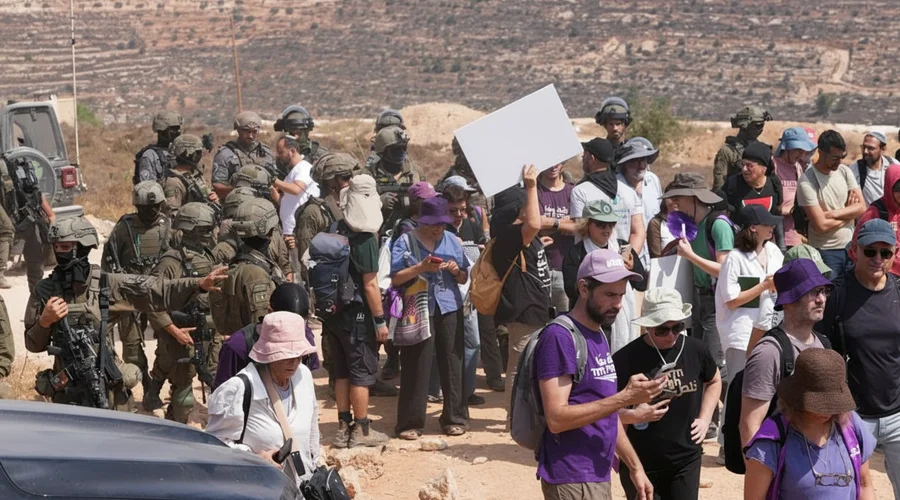
Humanitarian Concerns in Qusra Village
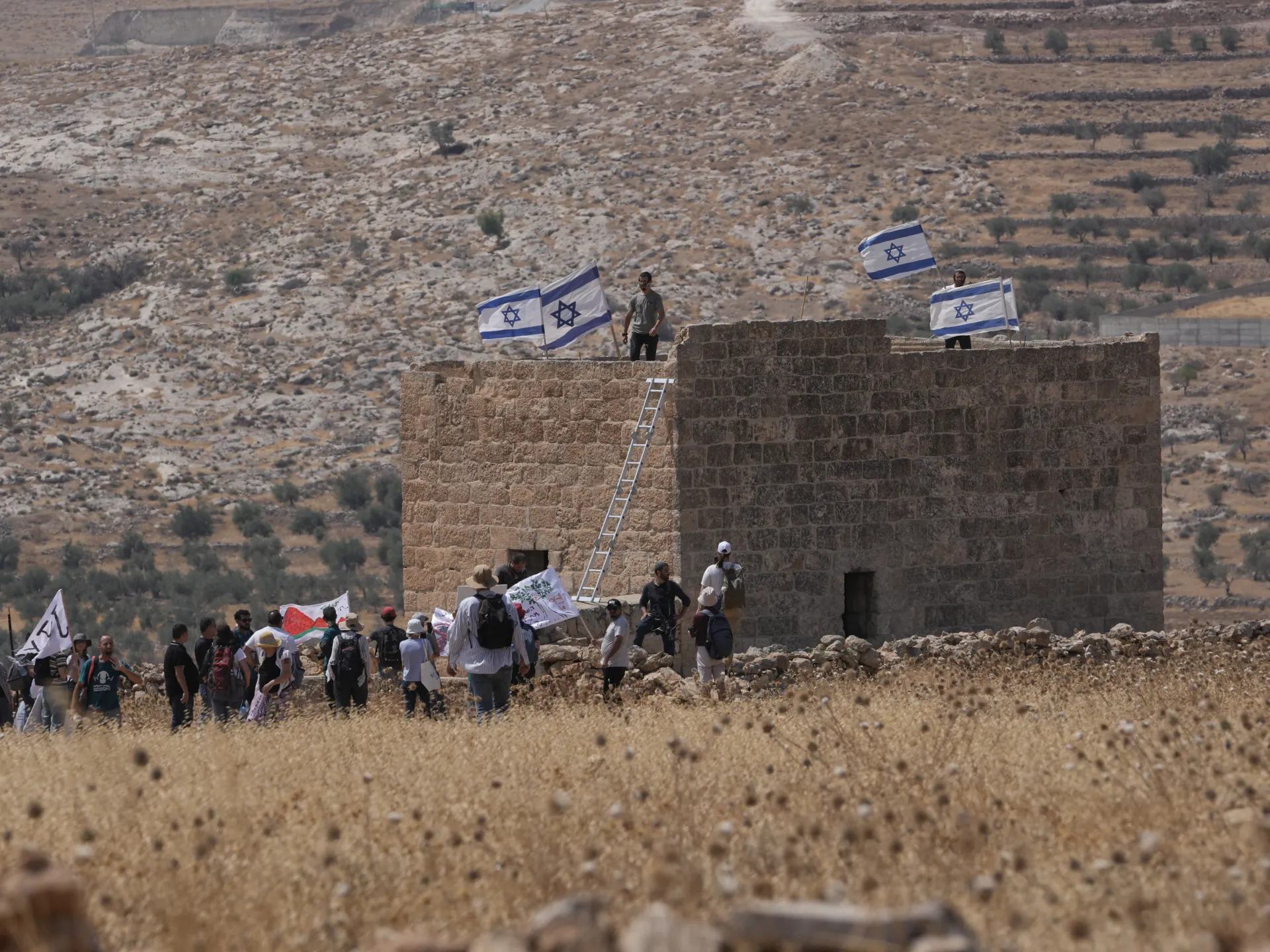
Recent accounts from activist groups indicate that attempts to provide essential aid to Palestinian inhabitants of Qusra, a village located in the occupied West Bank, have faced significant impediments. According to these reports, Israeli soldiers have prevented activists from reaching the community, which has allegedly been under a form of siege by settlers for approximately a week. This situation has raised concerns regarding the welfare of the residents and their access to necessary supplies.
Context of the Situation
The village of Qusra, like many areas in the West Bank, is a focal point in the ongoing Israeli-Palestinian conflict. The presence of Israeli settlements in the West Bank is a contentious issue, with international law largely considering them illegal. The proximity of these settlements to Palestinian communities often leads to friction and, at times, direct confrontations. The current reports from Qusra describe a scenario where Palestinian residents are not only contending with the immediate challenges of their daily lives but are also facing restrictions on external support.
The term 'besieged' used by activists suggests a state of isolation where the movement of people and goods into and out of the village is severely curtailed. While the exact nature and extent of this alleged siege are subject to varying interpretations and further verification, the implication is that residents are experiencing difficulties in accessing fundamental resources such as food, water, and medical supplies. Such conditions, if confirmed, would represent a serious humanitarian concern, necessitating urgent attention from relevant organizations and authorities.
Activists' Efforts and Perspectives
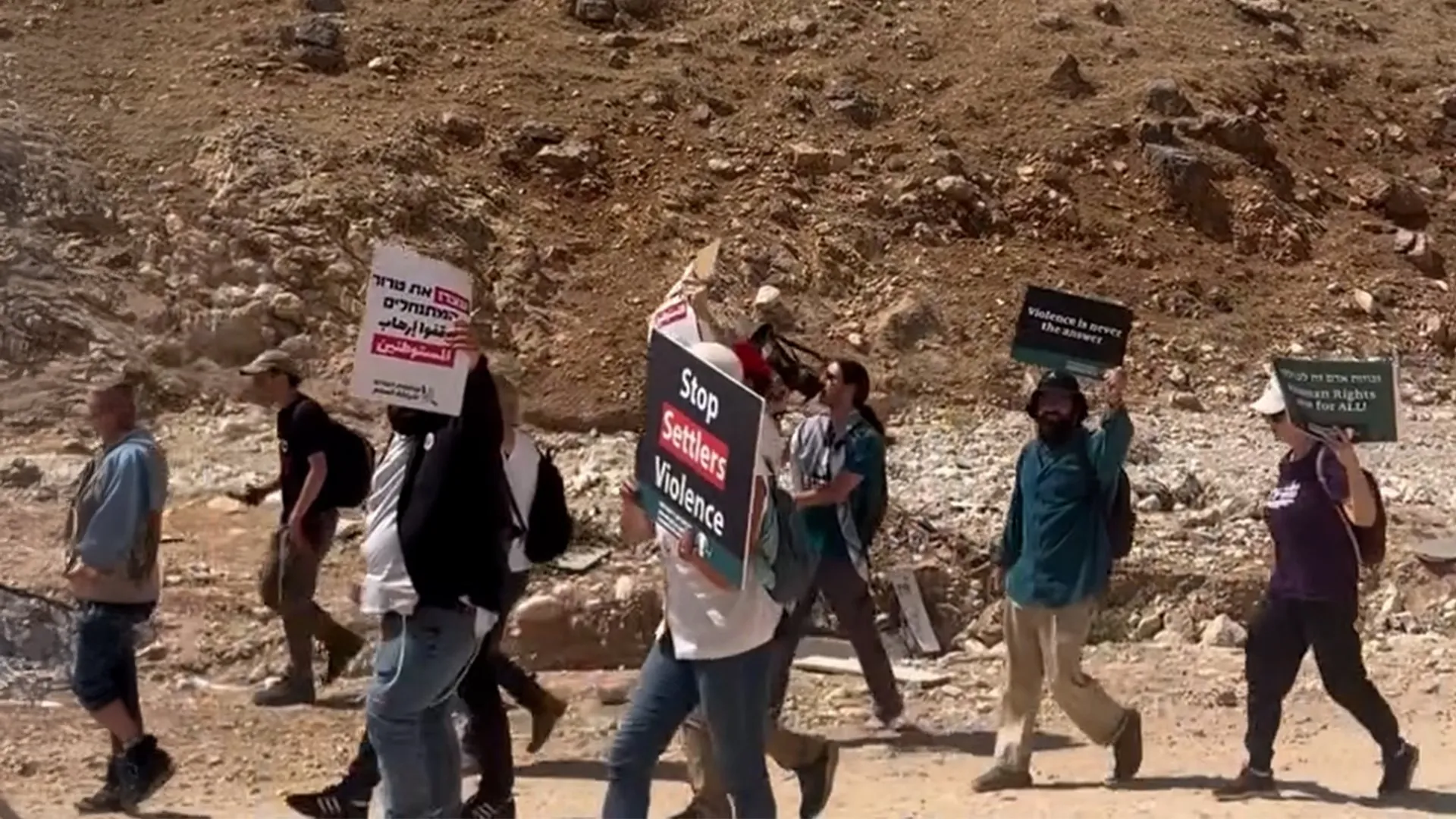
Among the groups attempting to deliver aid is the Sumud Network. Jonathan Pollak, a representative from this network, has reportedly provided insights into the challenges faced by activists. Their primary objective is to ensure that the residents of Qusra receive the humanitarian assistance they require, particularly given the reported circumstances of their isolation. The activists' efforts highlight the role of civil society organizations in attempting to fill gaps in humanitarian provision, especially in contested or conflict-affected regions.
The activists' narrative often emphasizes the vulnerability of Palestinian communities in the West Bank, particularly those in close proximity to settlements. They argue that such communities frequently experience disruptions to their daily lives, including restrictions on movement, access to land, and essential services. The reported prevention of aid delivery, in this context, is seen as an exacerbation of an already precarious situation. Their perspective underscores the need for unimpeded humanitarian access, a principle widely recognized in international humanitarian law.
International Law and Humanitarian Access
International humanitarian law stipulates that all parties to a conflict must allow and facilitate rapid and unimpeded passage of humanitarian relief for civilians in need. This includes ensuring that humanitarian personnel have the necessary access to deliver aid. The prevention of such access, particularly when communities are facing hardship, can be a violation of these principles. The reports from Qusra, therefore, bring these critical aspects of international law into sharp focus.
The situation in the West Bank is complex, involving multiple actors with differing claims and responsibilities. The Israeli military often states that its operations are for security purposes, aiming to protect its citizens and prevent hostile activities. However, humanitarian organizations and many international bodies consistently advocate for the prioritization of civilian protection and the unhindered delivery of aid, even in security-sensitive environments. The challenge lies in balancing legitimate security concerns with the imperative to uphold humanitarian principles and ensure the well-being of civilian populations.
Calls for Resolution and Oversight
The reported events in Qusra underscore the broader need for effective mechanisms to ensure humanitarian access and protect civilian populations in conflict zones. International observers and humanitarian organizations often call for greater transparency and accountability regarding incidents where aid delivery is obstructed. They advocate for independent investigations into such occurrences to ascertain the facts and ensure that any breaches of international law are addressed.
Ultimately, the situation in Qusra reflects a recurring pattern of challenges in the Israeli-Palestinian context. The conflicting narratives and the deeply entrenched political issues often overshadow the immediate humanitarian needs of affected communities. As such, the reports from Qusra serve as a reminder of the ongoing humanitarian imperative in the region and the continuous efforts required to safeguard the rights and well-being of all civilians.