Escalation of Conflict in Yemen
The long-standing conflict in Yemen has seen a notable intensification, with Houthi forces conducting multiple missile and drone strikes against key locations, including the strategic city of Marib and the coastal port of al-Makha. These recent attacks have reportedly caused fatalities and injuries, alongside significant damage to residential areas and critical infrastructure, signaling a renewed phase of hostilities in the war-torn nation.
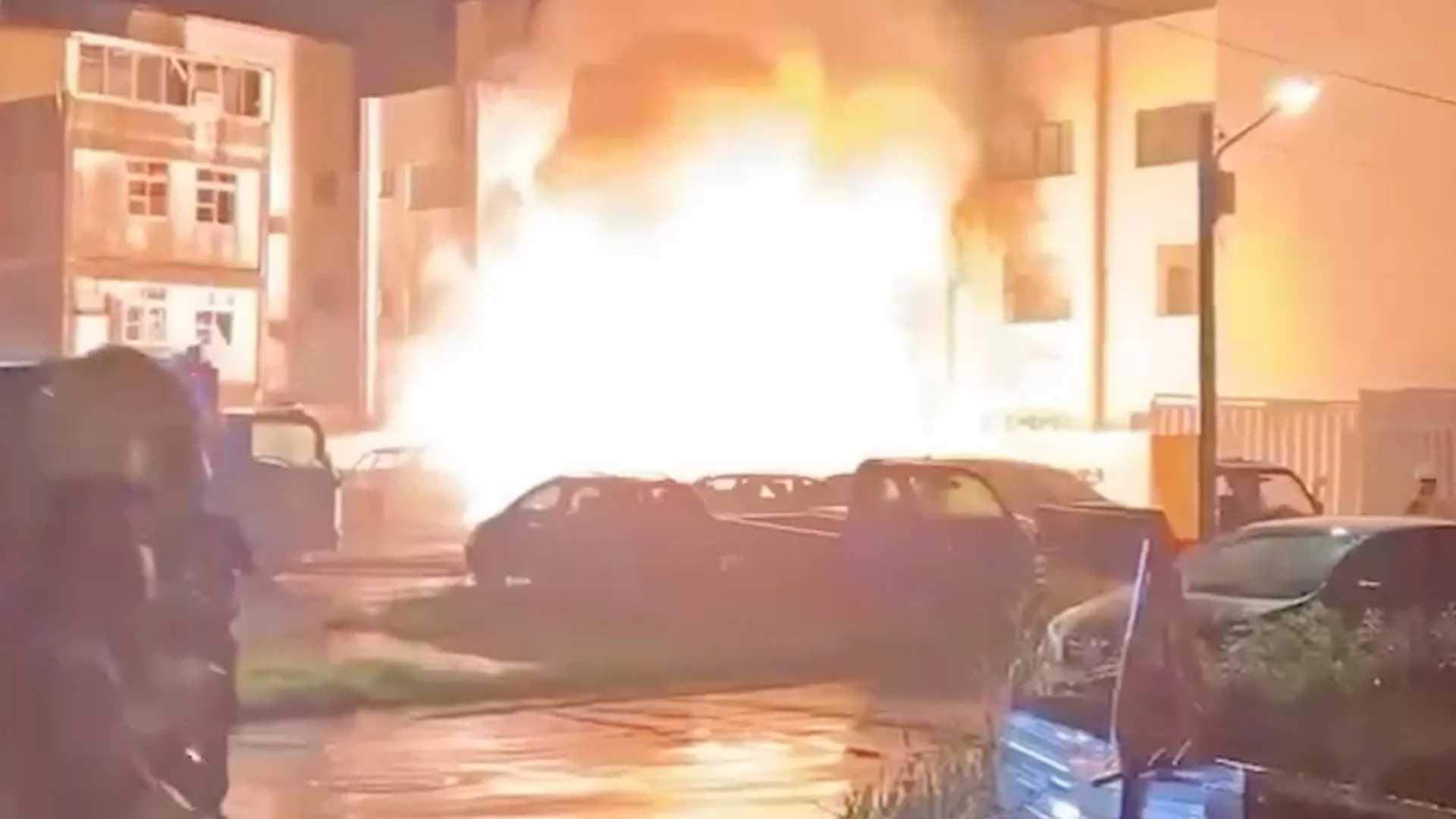
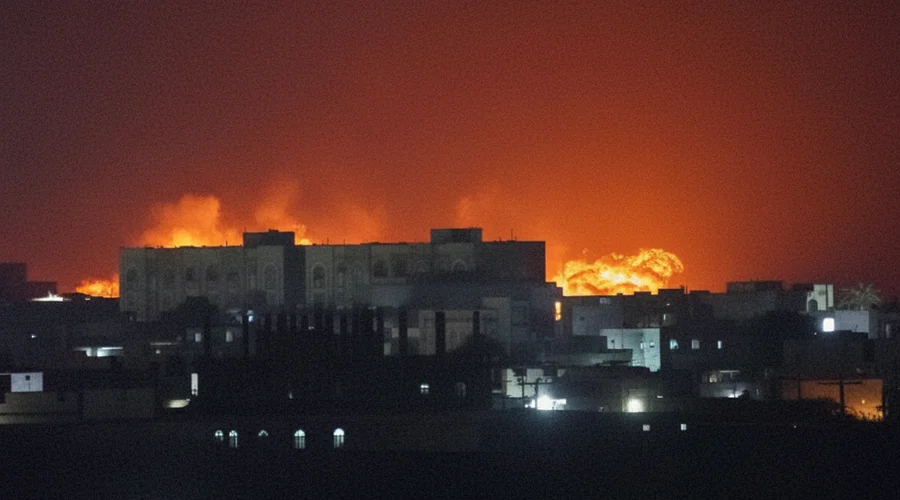
Reports from local media indicate that a series of overnight assaults targeted both Marib and al-Makha. On Sunday, an attack reportedly struck the periphery of al-Makha, a vital port city situated on Yemen's Red Sea coast, while a separate incident impacted a primary thoroughfare within the city itself. These actions underscore the Houthis' continued projection of military power and their intent to challenge government-held territories.
Casualties and Damage Reported
The recent wave of attacks has resulted in a tragic loss of life and numerous injuries. State media and the director of the al-Makha airport confirmed that four individuals were killed and eight others sustained injuries in the overnight strikes. In Marib, the government media office reported that six ballistic missiles and four drones were launched on Saturday evening, targeting civilian neighborhoods. This barrage wounded four people and led to considerable damage to homes and various civilian structures, highlighting the devastating impact of the conflict on non-combatants.
The critical port operations in al-Makha had already been suspended for several days prior to these latest attacks, a consequence of ongoing strikes, as confirmed by Abdulmalik al-Sharabi, the director general of the government-controlled facility. The repeated targeting of such vital installations not only disrupts essential services but also exacerbates the humanitarian crisis in the region by impeding the flow of goods and aid.
Government Response and Counter-Operations
In response to the Houthi aggressions, the Yemeni military announced that it had initiated 181 operations against Houthi positions across various governorates on Saturday and Sunday. These counter-offensives reportedly resulted in the deaths and injuries of dozens of Houthi members. While the Houthis acknowledged the deaths of four of their members, they did not provide extensive details regarding the circumstances surrounding these casualties. This exchange of fire illustrates the reciprocal nature of the conflict and the ongoing struggle for territorial control.
The recent flare-up follows a period of relative calm that had largely persisted since April 2022. The broader conflict, which commenced nearly 12 years ago, pits government forces against the Houthis, who have maintained control over the capital, Sanaa, and several other cities and provinces since September 2014. The intermittent lulls in fighting have often been fragile, frequently giving way to renewed violence.
Previous Incidents and Widespread Fighting
This latest escalation is not an isolated incident. Earlier in the month, Houthi forces conducted strikes on military camps located in Marib and Hadramout. These earlier assaults tragically claimed the lives of at least 30 government soldiers, marking what was described as the deadliest single episode of the conflict in years. Such events underscore the persistent volatility and the significant human cost of the ongoing war.
Following these initial strikes, fighting has reportedly resumed in several other provinces across Yemen, including al-Jawf, al-Dhalea, and Taiz. This widespread resurgence of hostilities suggests a broader military strategy by the Houthi movement and poses a significant challenge to any efforts aimed at de-escalation or a peaceful resolution. The international community continues to monitor the situation closely, as the conflict has profound humanitarian implications for the Yemeni populace.