Reform UK's Shifting Fortunes in the Political Landscape
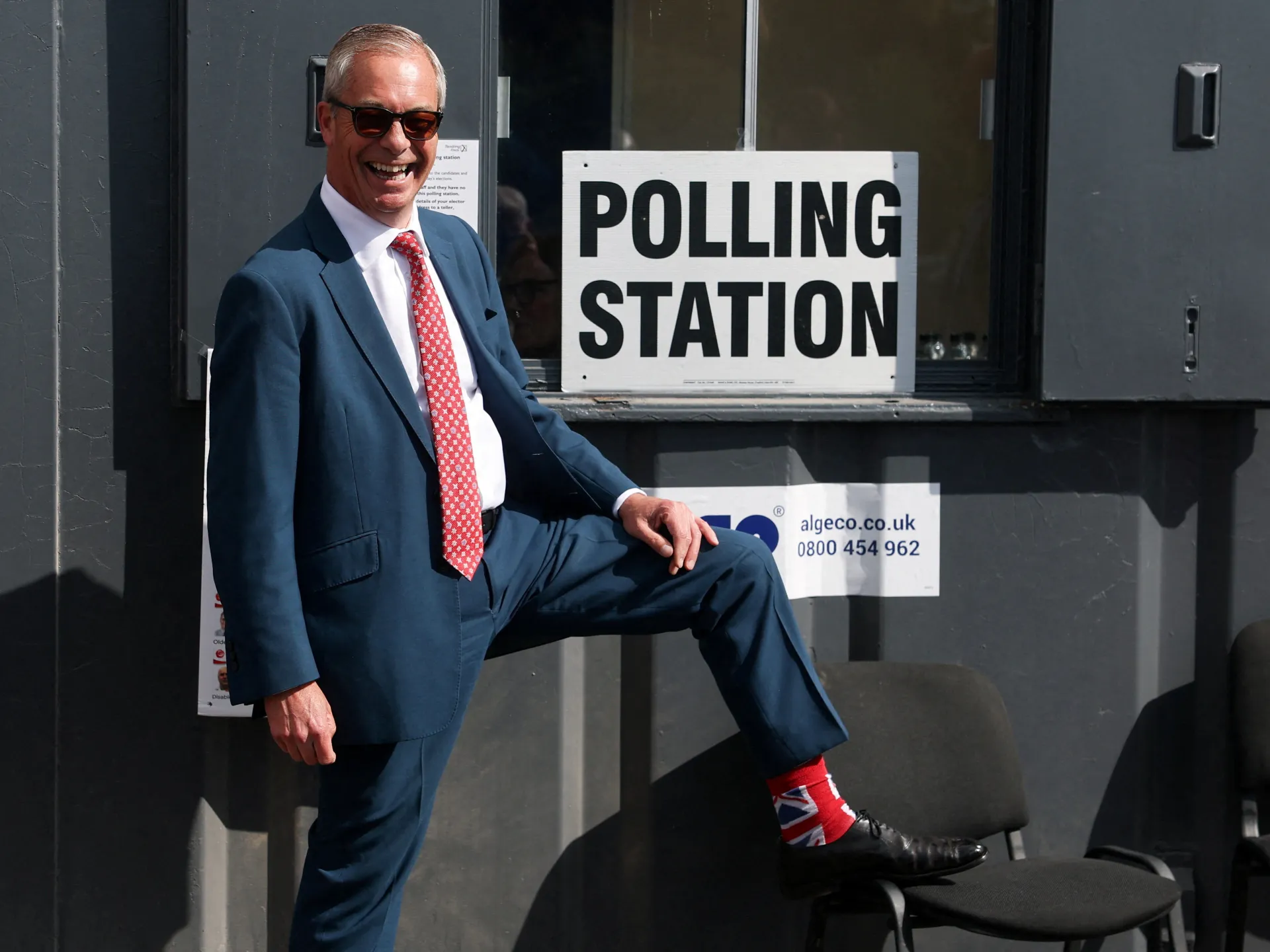
Reform UK, a populist political party, has recently experienced a notable shift in its national standing, prompting discussions about its long-term viability and influence within the British political sphere. While the party's leader, Nigel Farage, is widely expected to secure a victory in the upcoming Clacton-on-Sea by-election, the party's overall popularity across the country appears to be facing headwinds. This comes amidst increasing scrutiny over financial matters and a series of less-than-favorable outcomes in recent by-elections and mayoral races.
National Polls and Electoral Performance
Recent polling data indicates a decline in Reform UK's national support. Ipsos polling, released recently, placed the Labour Party ahead with 28 percent of voter intention for the next general election, compared to Reform UK's 25 percent. The Conservative Party trailed with 18 percent, and the Green Party garnered 12 percent. This marks a change from earlier in the year when Reform UK frequently led national surveys. Electoral setbacks in by-elections in Makerfield, Gorton and Denton, and the Greater Manchester mayoral contest further highlight the challenges the party is encountering in translating its support into broader electoral success.
John Curtice, a respected UK election expert from Strathclyde University, noted the unprecedented fragmentation of current UK politics. He remarked that historical precedents offer little guidance for understanding the contemporary political landscape. Curtice also observed a correlation between Farage's announcement of his resignation from his Clacton seat and a subsequent dip in Reform UK's national polling figures, suggesting a strong link between the party's fortunes and its leader's actions.
The Clacton By-Election: A Local Anomaly?
Despite the national trends, Farage is projected to achieve a significant victory in the Clacton-on-Sea by-election. This coastal town in Essex, which previously elected him to Parliament, is anticipated to show strong support, with over 70 percent of votes expected in his favor. Farage's resignation from his Clacton seat last month necessitated the August 13 vote, and his campaign has largely been uncontested by the major political parties. His primary opponent in this by-election is the satirical candidate Count Binface, adding an unusual element to the contest.
Financial Scrutiny and Associated Controversies
A significant factor contributing to Reform UK's recent challenges is the intensified scrutiny surrounding its financial dealings. Reports in April detailed an alleged £5 million ($6.7 million) personal gift to Nigel Farage from cryptocurrency billionaire and long-time Reform donor Christopher Harborne. This revelation brought the party's funding mechanisms under a microscope. Past controversies concerning political donations have also resurfaced, including questions regarding the origins of funds linked to former Conservative MP Robert Jenrick's 2024 leadership campaign, with concerns raised about potentially impermissible overseas sources.
Further compounding these issues is renewed attention on George Cottrell, a convicted fraudster and long-time associate of Farage, who also has connections to Reform deputy leader Richard Tice's company, Britain Means Business. These financial questions have prompted investigations by parliamentary authorities and committees into transparency, disclosure, and the enforcement of political finance regulations, with police also assessing allegations of potential breaches of electoral law. Reform UK has consistently denied any wrongdoing, characterizing the investigations as attempts to undermine the party. Conversely, opponents argue that these inquiries raise fundamental questions about the accountability and funding structures of a movement aiming to reshape British politics.
Public Perception and Political Accountability
Sam Power, an expert on political financing and electoral regulation from the University of Bristol, suggests that Reform UK's strategy was built on the premise that the public prioritizes political outcomes over the means by which they are achieved. He noted that many of Reform's prominent backers are wealthy individuals, including Christopher Harborne, Ben Delo (co-founder of BitMEX), and Bassim Haidar.
However, Power also highlighted a historical tendency among British voters to view leaders critically when they are perceived to bend or disregard established rules. He cited examples such as the public's reaction to former Prime Minister Boris Johnson's alleged parties during COVID-19 lockdowns and allegations against former Labour leader Keir Starmer regarding gifts from donors, both of which impacted their public standing. Power noted that Reform's underperformance in the Makerfield by-election shortly after the Harborne revelations suggests that the public does indeed care about these matters.
Professor Rob Ford of the University of Manchester added that as Reform UK's influence grew and the prospect of it forming a future government became more tangible, it was inevitable that the party would face the same level of scrutiny as more established political entities. Ford also emphasized Farage's singular importance to Reform's success, suggesting that other party figures lack his unique ability to generate political attention, making him an indispensable asset to the party's public profile.