
Introduction to the Maritime Alliance
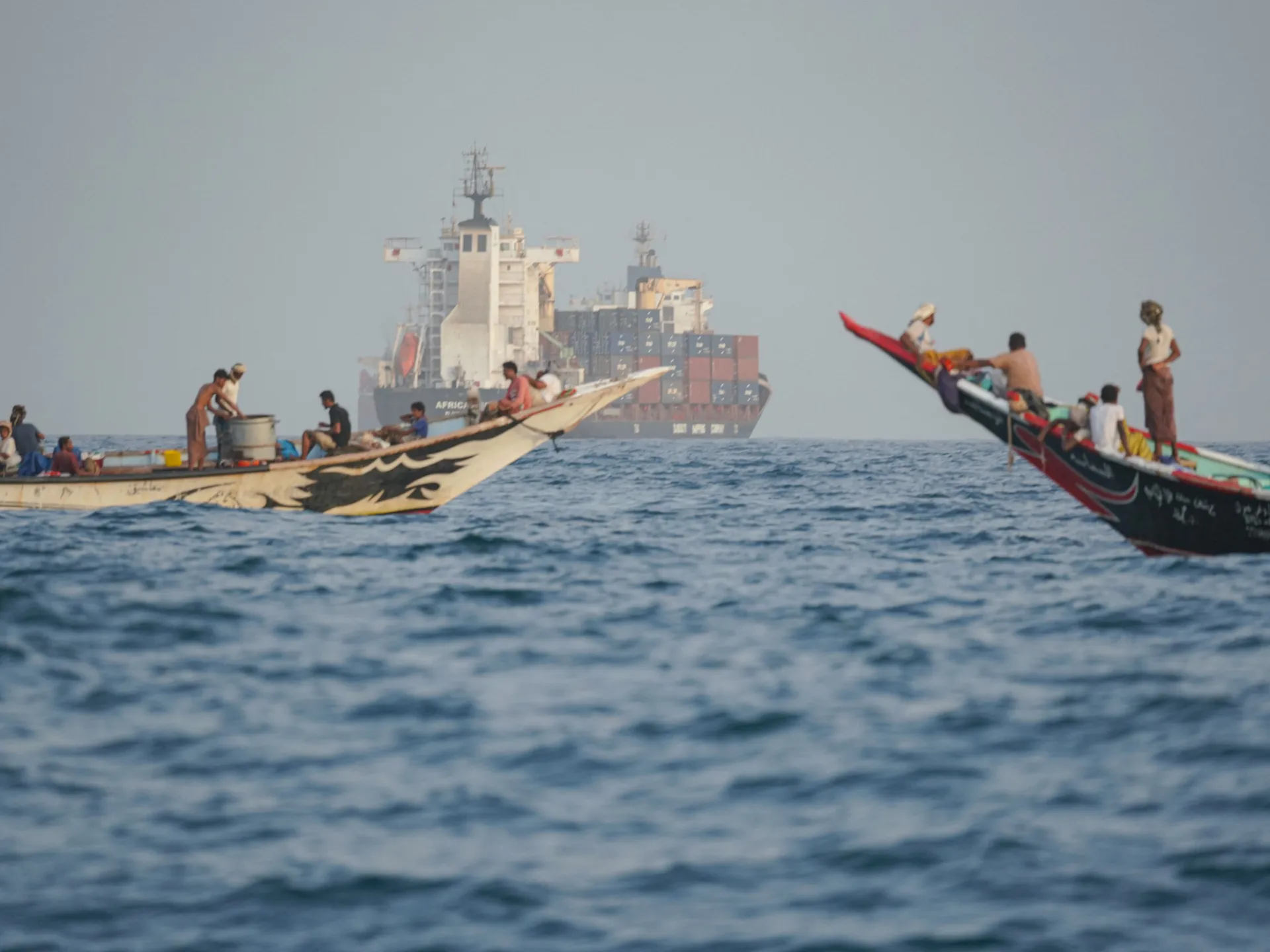
A new multinational maritime defense alliance has been officially launched, bringing together Saudi Arabia and 13 other countries with the stated goal of securing critical shipping routes in the Red Sea region. This coalition, which has been in development, aims to protect freedom of navigation through the Bab al-Mandeb Strait, the Red Sea, and the Gulf of Aden, areas increasingly subject to security challenges. The formation of this alliance comes at a time of heightened regional instability, particularly in the wake of ongoing conflicts that have impacted maritime trade and energy infrastructure.
Formation and Membership
The Saudi Ministry of Defense announced the formal establishment of the coalition, confirming that 14 countries have completed the necessary procedures to join. These founding members include Saudi Arabia, Bahrain, Bangladesh, the Comoros, Djibouti, Egypt, Jordan, Kuwait, Pakistan, Qatar, Somalia, Sudan, Turkiye, and Yemen. The ministry indicated that the alliance is an 'open international coalition' and continues to welcome additional countries that align with its objectives and principles, with more membership applications reportedly under review. The official launch followed a recent meeting in Jeddah, Saudi Arabia, marking the transition of the coalition into an 'institutional and operational activation' phase.
Operational Framework and Objectives
While the full operational details are still being finalized, the Saudi Ministry of Defense has outlined several key functions for the alliance. Member states are expected to engage in comprehensive information and intelligence sharing, collaborative operational planning, and the conduct of joint naval exercises and drills. Furthermore, the coalition will focus on building collective military capabilities and executing joint naval operations to enhance maritime security. Rear Admiral Abdullah bin Salem Al-Shehri has been appointed as the commander of the coalition, tasked with overseeing joint naval defense, coordinating efforts among member states, and liaising with other maritime security initiatives.
Regional Significance and Context
The timing of this alliance is particularly noteworthy, coinciding with an period of significant geopolitical tension in the Gulf region. The ongoing conflict between the United States and Israel against Iran has had far-reaching consequences, contributing to instability and impacting critical energy and civil infrastructure. Concerns have also been raised about the security of the Strait of Hormuz, a choke point through which a substantial portion of global oil and natural gas exports pass. The Red Sea region has experienced increased aggression, with Saudi-flagged vessels in the Bab al-Mandeb-Red Sea-Gulf of Aden route reportedly coming under attack from Houthi fighters in Yemen.
Ahmed Nagi, a senior analyst for Yemen at the International Crisis Group, commented on the potential impact of the new maritime alliance. He suggested that its significance would ultimately hinge on its practical effectiveness. Nagi drew parallels with previous maritime security initiatives, noting that while some held political importance, many struggled to translate their stated objectives into tangible results on the ground. He emphasized that for the current alliance to be truly impactful, it must move beyond agreements and political commitments to concrete actions that address threats to maritime security and freedom of navigation.
"We have seen several maritime security initiatives before, including those established during the piracy crisis in the Gulf of Aden. While some of these initiatives had political significance, many struggled to translate their objectives into tangible results on the ground. The same applies to this alliance. It could become important if it is able to turn agreements and political commitments into concrete action that addresses the threats to maritime security and freedom of navigation."
Addressing Houthi Threats and Broader Implications
A primary motivation behind the alliance, according to Nagi, is Saudi Arabia's attempt to deter Houthi aggression and reframe the attacks on Red Sea shipping not as a localized issue, but as a global concern. The Houthis, who gained control of Yemen's capital Sanaa in 2014, have been engaged in a prolonged conflict with the Saudi-backed, internationally recognized government. Tensions have escalated further since the onset of the US-Israel conflict with Iran, leading to Houthi strikes against Saudi-flagged vessels and oil facilities in the Red Sea. These escalating actions have raised fears of a potential blockade of the Bab al-Mandeb, a vital waterway connecting the Red Sea to the Gulf of Aden and a crucial global supply route.
From Riyadh's perspective, the responsibility for responding to these attacks should not fall solely on Saudi Arabia. Instead, the kingdom seeks a broader international effort to address the Houthi threat and the disruption they are causing in the Red Sea. Nagi characterized the alliance as 'largely defensive,' noting that there has been no indication of an intent to launch offensive operations against the Houthis. However, he cautioned that if attacks persist, Saudi Arabia might eventually decide to respond more directly. In such a scenario, the alliance could provide a framework for Saudi action with broader international backing, aiming to increase the cost of Houthi attacks and establish a stronger deterrent. The underlying message Saudi Arabia aims to convey is that these attacks impact international shipping and global trade, thereby warranting concern from the wider international community.