Russian President Warns of Reciprocal Vessel Seizures
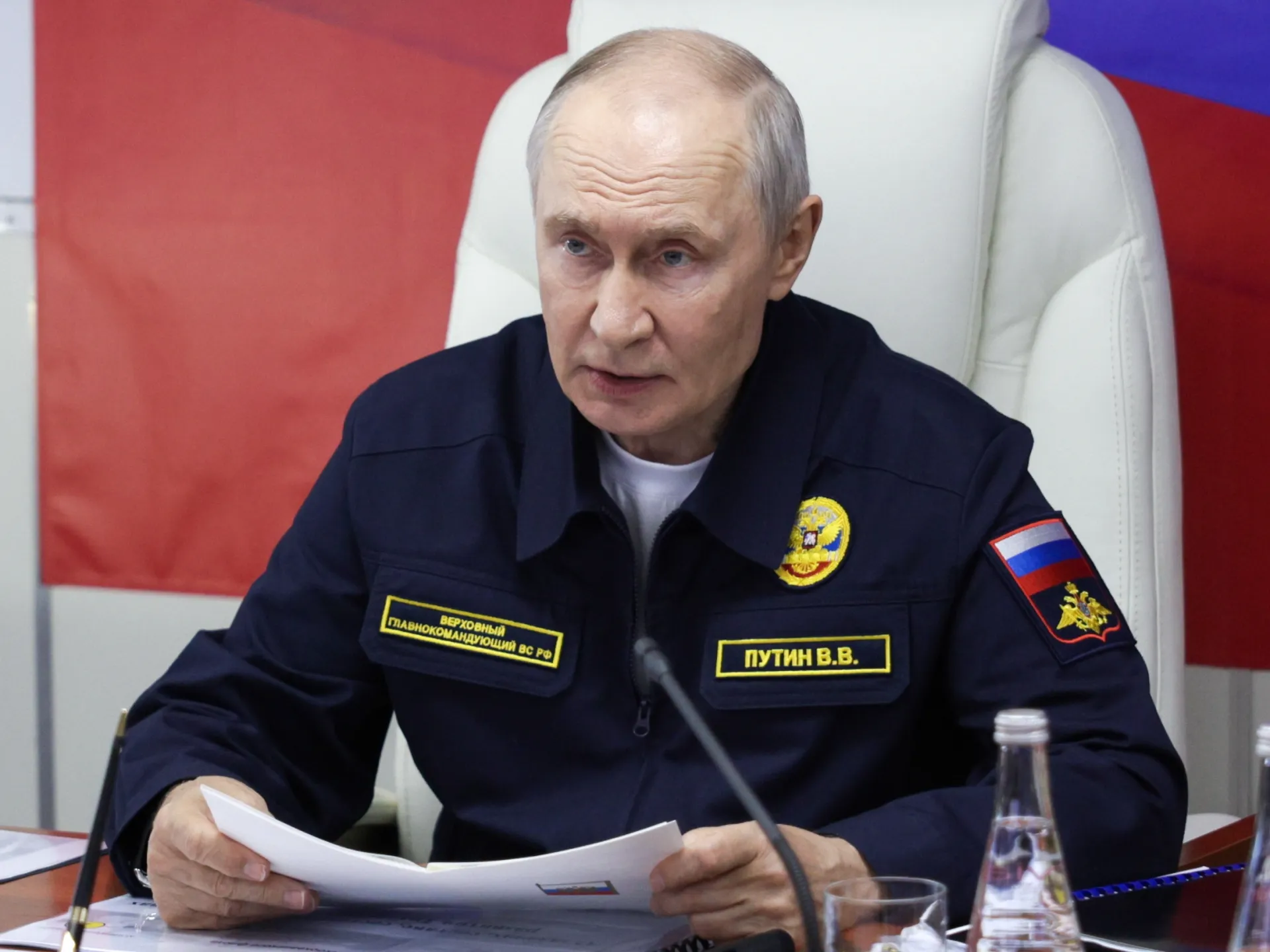
Russian President Vladimir Putin has issued a stern warning to European states, stating that Moscow would engage in tit-for-tat seizures of European vessels should they proceed with plans to confiscate commercial ships carrying Russian cargo. The declaration was made on Wednesday while Putin was aboard a Russian cruiser off the Pacific island of Sakhalin, where the Russian navy was conducting exercises.
According to Russia's TASS news agency, Putin asserted that Russia is prepared to carry out its own seizures "wherever we deem it necessary and appropriate." This statement comes in response to recent actions by several European countries that have intercepted vessels suspected of belonging to Moscow's 'shadow fleet,' which transports Russian oil in defiance of European sanctions. New sanctions enacted last month grant European Union members the authority to sell oil or other cargo confiscated from these ships.
Putin's remarks appeared to directly address these sanctions, as he noted that certain countries are attempting to "restrict the movement of vessels belonging to our economic operators" and have recently "came up with the idea of possibly seizing our ships and selling off property stolen from us." He unequivocally stated, "If these plans are put into practice, we will have to respond in kind," characterizing such moves as "piracy and robbery," as reported by Russia's RIA Novosti news agency. Putin also confirmed that "relevant instructions" have already been conveyed to Russia's Ministry of Defence and the Pacific Fleet, which is responsible for Russia's naval interests in the Pacific region.
NATO's Expansion into Asia Pacific and Arctic Tensions
Beyond the issue of vessel seizures, President Putin also criticized the North Atlantic Treaty Organization (NATO), alleging that the military alliance is expanding its influence into the Asia Pacific region and contributing to heightened tensions in the Arctic. He remarked, "NATO is making inroads into the region, new military-political blocs are being formed, and new weapons systems that pose a threat to Russia are being deployed or are slated for deployment."
These comments coincide with Russia's ongoing naval exercises in the West Pacific, which are taking place just a week before joint US-South Korean military drills designed to simulate a potential invasion from North Korea. The region is currently experiencing elevated tensions, fueled by accusations from Kyiv and Seoul that Pyongyang and Moscow are intensifying their military cooperation.
Allegations of North Korean Military Support for Russia
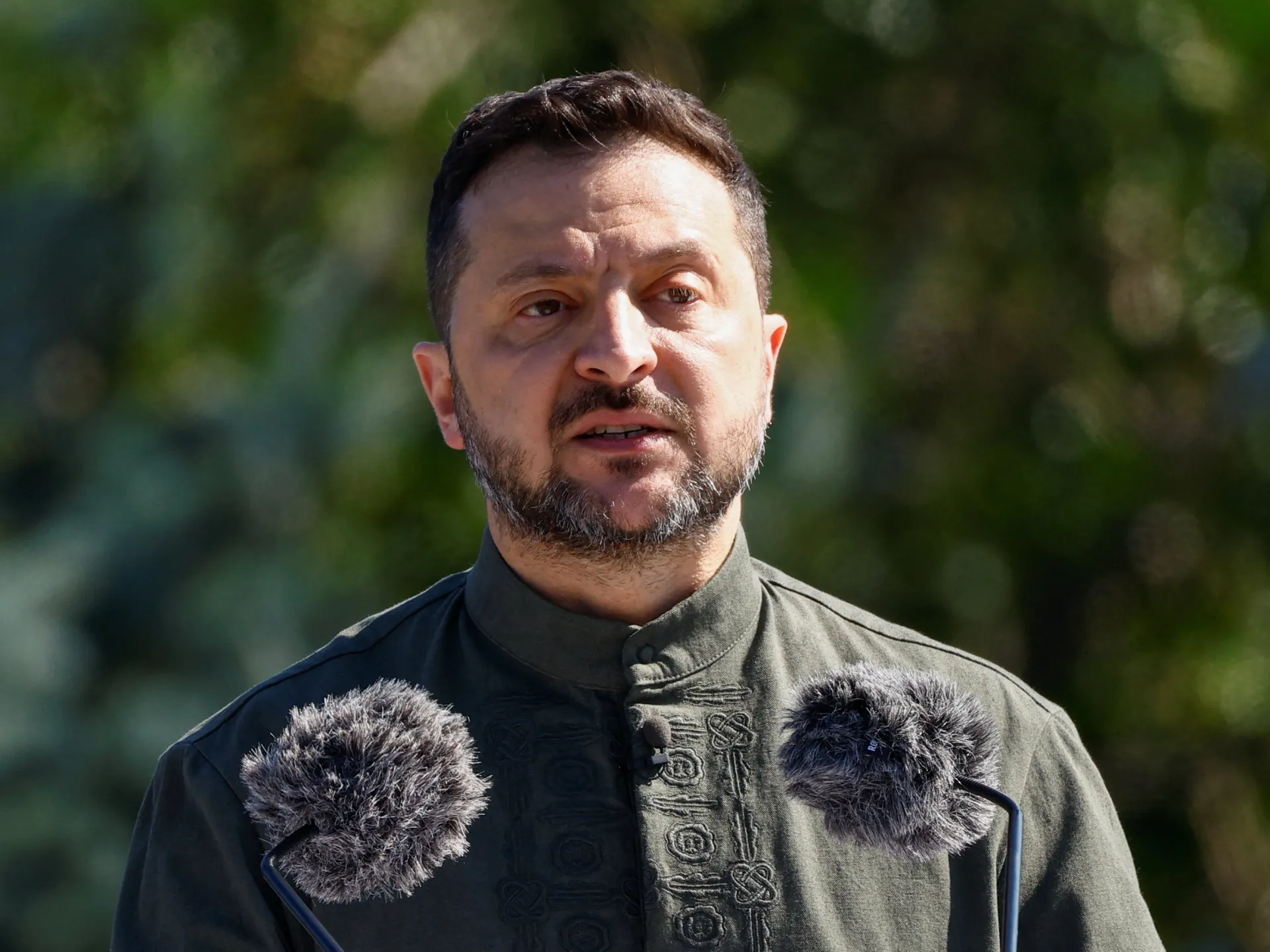
On Tuesday, Ukrainian President Volodymyr Zelenskyy accused Russia of utilizing North Korean missiles in a recent, devastating air raid across Ukraine. This accusation followed a warning from Zelenskyy a day earlier, in which he stated that Moscow was receiving an increased supply of ballistic projectiles and troops from its ally, Pyongyang. He cautioned that this development poses significant dangers not only for Ukraine but also for countries throughout East Asia. Earlier reports indicate that North Korean leader Kim Jong Un has already provided substantial military support, including thousands of troops and a considerable quantity of weapons, to aid Russia's ongoing four-year military campaign in Ukraine.
The broader geopolitical landscape, characterized by the conflict in Ukraine, the enforcement of international sanctions, and evolving alliances, continues to shape international relations. The potential for reciprocal actions regarding commercial vessels adds another layer of complexity to these already strained relationships. The interplay between economic sanctions, military posturing, and diplomatic rhetoric underscores the delicate balance of power and the interconnectedness of global security concerns.
The situation highlights the strategic importance of maritime routes and the economic implications of controlling them, especially in the context of international trade and energy supply. The warnings from Russia suggest a potential escalation in the economic and military confrontation, moving beyond traditional sanctions to direct actions against assets. This could have far-reaching consequences for global shipping and international law, potentially leading to a more volatile environment for maritime commerce.
Furthermore, the remarks concerning NATO's presence in the Asia Pacific and the Arctic reflect Russia's perception of an expanding encirclement or challenge to its strategic interests. Such declarations often precede or accompany shifts in foreign policy and military deployments, indicating a potential for increased militarization and competition in these regions. The ongoing military exercises and accusations of military cooperation between Russia and North Korea further illustrate the complex and multi-faceted nature of current global security challenges.