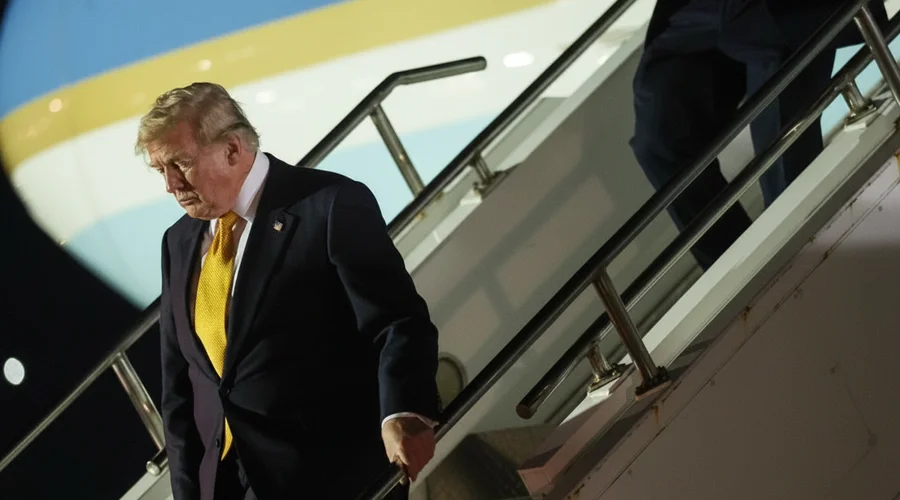
President Trump Confirms Secret Flight Change Following NATO Summit
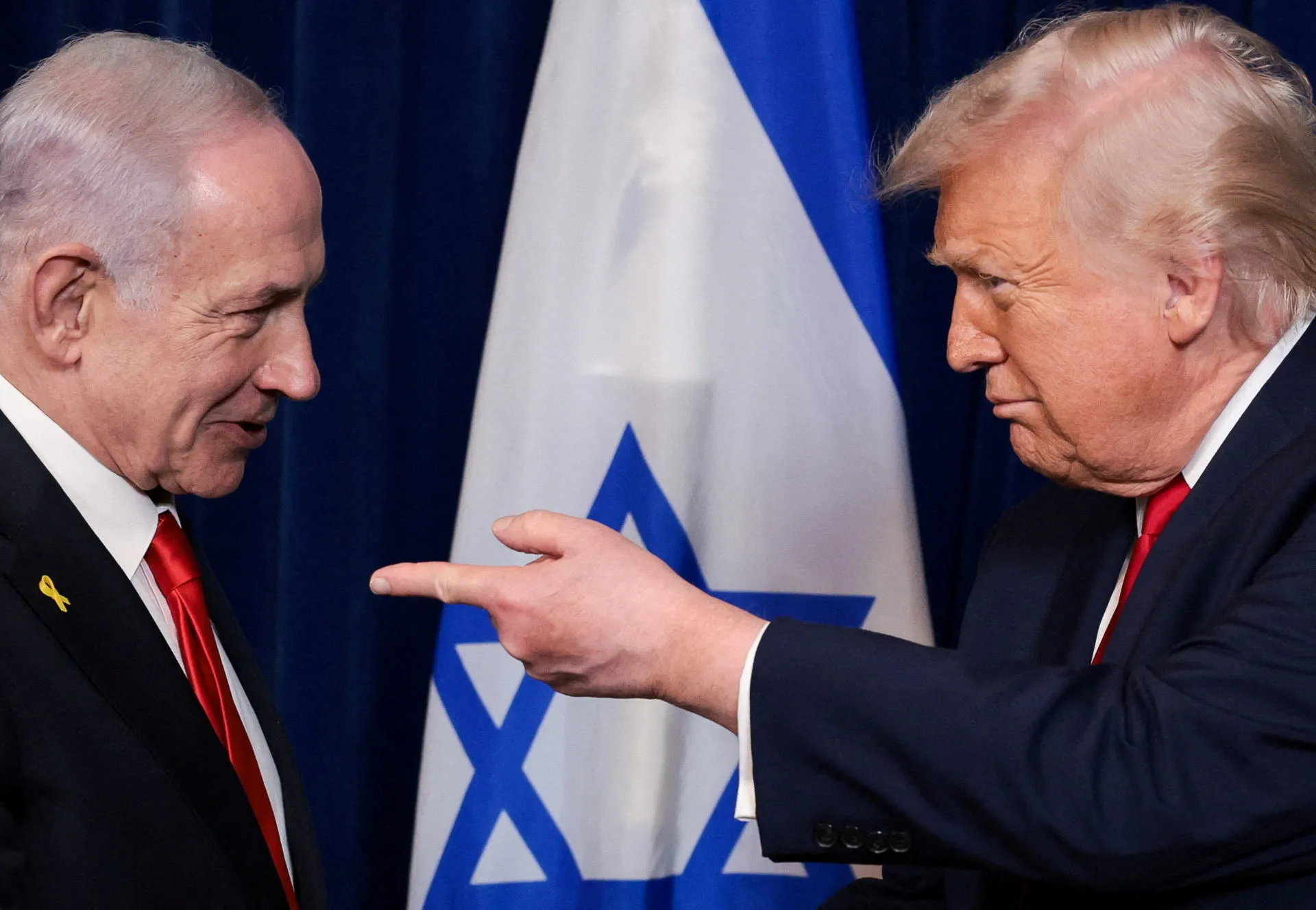
Former United States President Donald Trump has publicly acknowledged a clandestine aircraft exchange that took place after a NATO summit in Turkey last month. The switch, reportedly prompted by security threats, saw Trump board a different plane, a decision he claims placed him at "greater risk" than if he had maintained his original travel plans. The revelation comes after U.S. media outlets reported on the unusual flight alteration, attributing it to a potential assassination plot originating from Iran.
"I follow the guidance of the Secret Service and the military. They advised me to take a different flight, on a separate plane," Trump informed reporters, responding to media inquiries about the incident. He added, "I simply have to comply with their directives."
Details of the Covert Operation Emerge
The undisclosed flight change occurred on July 8. According to various U.S. media accounts, the president was discreetly transferred between aircraft in Ankara, Turkey, utilizing a catering truck to move to a military plane. This logistical maneuver ensured his departure remained unpublicized at the time. The White House had not issued any public statements regarding the incident, and it remained unreported until The Washington Post broke the story earlier this week.
Despite the reported security threat, the primary Air Force One aircraft proceeded with its journey, carrying journalists and high-ranking aides who were reportedly unaware of the president's diversion. This detail has further fueled scrutiny and calls for greater transparency.
Trump expressed a belief that the decoy plane he ultimately boarded was, in fact, more vulnerable. "I think actually the plane that I flew on was at greater risk," he stated. "I think it was at greater risk because that would be the plane I think that they would be more likely to go for." He further noted, "I receive a lot of threats."
Congressional Backlash and Demands for Transparency
In the wake of these revelations, Senate Minority Leader Chuck Schumer has issued a strong demand for the White House to provide an immediate and comprehensive briefing to Congress. Schumer's request seeks detailed information regarding the specifics of the mission and the execution of the president's secret flight change.
In a formal statement, Schumer criticized the lack of communication, asserting, "It is unacceptable that Congress was kept in the dark and instead learned about this serious threat through press reports." He went on to accuse the administration of a pattern of withholding information, stating, "Trump has put America’s sons and daughters in harm’s way by getting into an unnecessary and reckless war, and this administration has repeatedly refused to provide Congress and the public with the transparency they deserve."
Schumer also leveled accusations against Republicans, alleging that they are "prioritising Trump’s luxury and vanity over America’s security." He concluded by emphasizing the necessity for Congress to "reassert its constitutional authority and bring this [Iran] conflict to an end."
International Reaction and Mockery
The news of President Trump's secret flight change has also garnered significant attention from Iranian state-linked media. Numerous outlets covered the reports, with the official IRNA news agency publishing a story under the headline, "Trump admits to fleeing for fear of Iran."
IRNA highlighted the fact that journalists and other officials remained on Air Force One despite the alleged threat, suggesting they became "victim to Washington’s security ruse." Other Iranian state and security-aligned media outlets appeared to openly deride the U.S. president's discreet departure. For instance, the IRGC-affiliated Mashregh outlet referred to "the cowardly Trump’s escape in a catering truck," and actively curated social media reactions and memes that ridiculed the former U.S. president.
Security Protocols and Presidential Travel
Presidential travel involves intricate security protocols designed to protect the commander-in-chief from a myriad of threats. These measures often include elaborate planning, multiple layers of security, and contingency plans for unforeseen circumstances. The decision to alter a president's travel itinerary due to perceived threats is not unprecedented, but the manner in which this particular change was executed and subsequently revealed has ignited a debate about transparency, accountability, and the balance between national security and public disclosure. The Secret Service and military are typically responsible for assessing threats and advising on the safest course of action for presidential movements. Such decisions are made with the highest level of security in mind, often involving complex logistical operations to ensure the president's safety.