
Tensions Escalate as Property Disputes Continue in Qusra
A recent incident in the West Bank village of Qusra, located south of Nablus, has brought renewed attention to the ongoing disputes over land and property in the region. Loui Abu Ridi, a Palestinian-American citizen, reportedly confronted an Israeli settler upon discovering damage to his home after returning from an extended stay in the United States. The encounter highlights the complex and often contentious nature of property ownership and residency in areas under Israeli occupation.
The Return to a Troubled Home
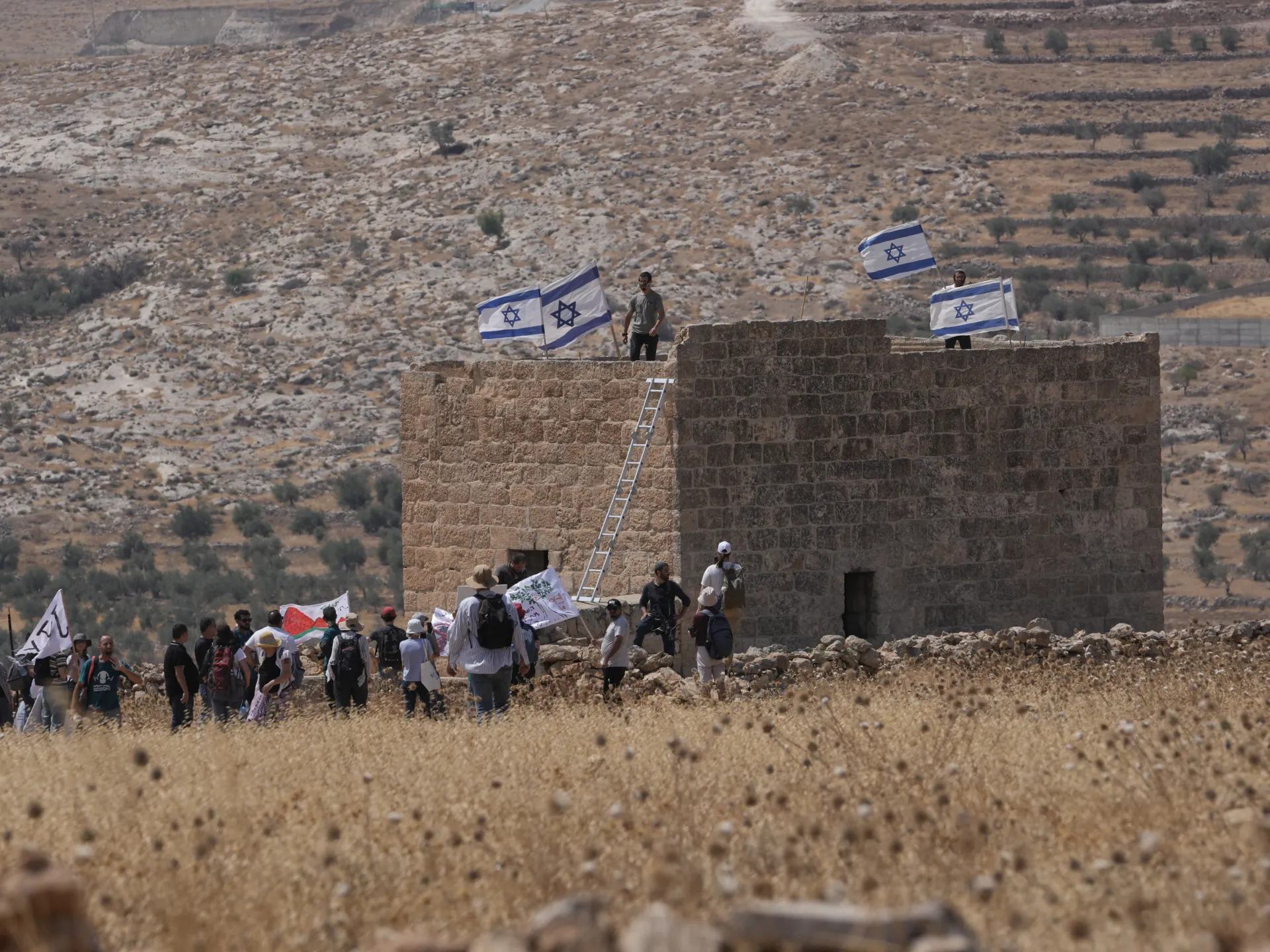
Upon his arrival back in Qusra, Mr. Abu Ridi found his property significantly altered and damaged. The exact nature and extent of the damage have not been fully detailed, but the situation prompted a direct confrontation with an Israeli settler who was reportedly present near or on his property. Such encounters are not uncommon in the West Bank, where the expansion of Israeli settlements often leads to disputes with local Palestinian residents over land rights and access.
Qusra, like many Palestinian villages, is situated in an area that has seen considerable Israeli settlement activity. The presence of settlements often brings with it increased security measures, restricted movement for Palestinians, and frequent clashes over resources and territory. For residents like Mr. Abu Ridi, returning to find their homes impacted underscores the daily challenges faced by those living in these contested zones.
Ongoing Siege and Regional Instability
The confrontation involving Mr. Abu Ridi is part of a larger pattern of events in Qusra. Reports indicate that three Palestinian homes in the vicinity have been under what is described as a 'siege' for nearly ten days. This term generally refers to a situation where access to and from properties is restricted, or residents face constant pressure and harassment from external parties, often settlers or, in some cases, military forces. The continuous nature of this pressure can severely impact the daily lives and livelihoods of the affected families, leading to stress, displacement, and economic hardship.
The broader context of these events includes the Israeli-Palestinian conflict, which has deep historical roots and continues to manifest in various forms, including land disputes, settlement expansion, and differing claims to sovereignty. International law largely views Israeli settlements in the West Bank as illegal, a position that is often disputed by the Israeli government. This divergence in legal interpretations contributes to the ongoing friction and makes resolution particularly challenging.
International Implications and Human Rights Concerns
The involvement of a Palestinian-American citizen in this incident could potentially draw more international attention to the situation. Dual citizens often find themselves in a precarious position, navigating the complexities of their ancestral homeland while also holding citizenship in countries that may have different foreign policy stances on the conflict. Their experiences can sometimes serve to bridge the gap between local realities and international awareness, bringing specific cases to the forefront of global discourse on human rights and international law.
Human rights organizations frequently document instances of property damage, displacement, and harassment against Palestinians in the West Bank. These reports often highlight issues such as forced evictions, demolition of homes, and restrictions on building permits, which are seen as contributing to the erosion of Palestinian presence in certain areas. The incident in Qusra, therefore, aligns with a broader narrative of challenges faced by Palestinians living under occupation.
Seeking Resolution Amidst Persistent Challenges
The confrontation in Qusra underscores the urgent need for mechanisms to address property disputes and ensure the safety and rights of all residents in the West Bank. While individual confrontations like Mr. Abu Ridi's are immediate reactions to personal grievances, they are symptomatic of systemic issues that require broader political and legal solutions. The path to resolution is complicated by the entrenched positions of various parties, the absence of a comprehensive peace agreement, and the ongoing expansion of settlements.
The international community often calls for de-escalation and adherence to international law in these territories, but effective enforcement remains a significant challenge. For individuals like Loui Abu Ridi, the immediate concern is the integrity of their homes and the ability to live peacefully on their land, free from harassment and damage. The long-term stability of the region hinges on finding equitable solutions that respect the rights and dignity of all populations.