Myanmar's Military Leadership Seeks to Break Years of Diplomatic Isolation
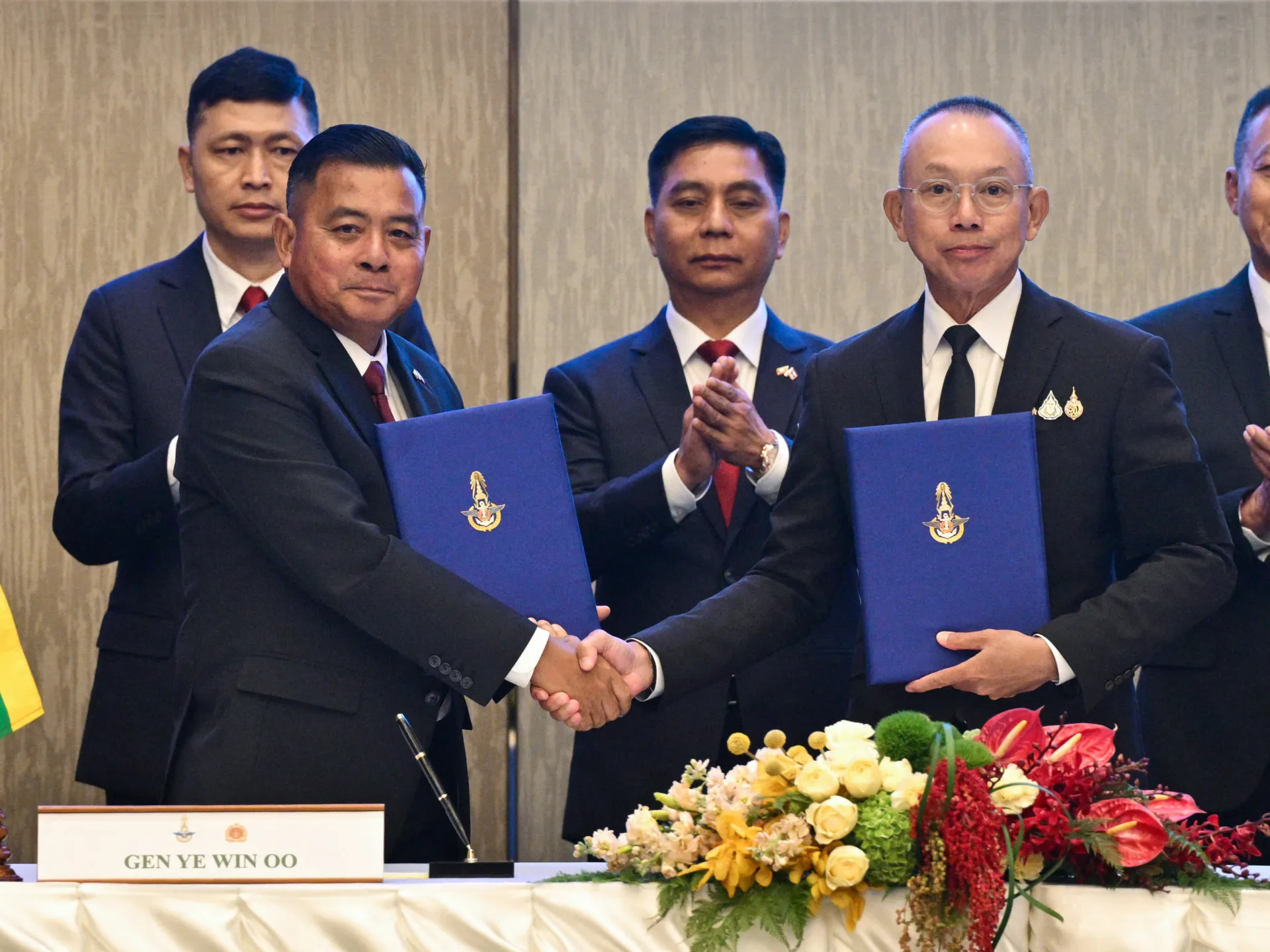
Myanmar's military chief, General Ye Win Oo, traveled to Bangkok for talks with Thailand's senior defense official, marking his first international visit since assuming command. The meeting is the latest step in a broader effort by Myanmar's post-coup leadership to rebuild foreign relations after more than five years of widespread international isolation.
The two military chiefs held discussions at a Bangkok hotel, with Thailand confirming that the agenda covered a range of pressing bilateral and regional concerns. Given that the two countries share a border stretching approximately 2,400 kilometers, the talks were largely centered on managing that boundary and the challenges that come with it.
Key Issues on the Table
Beyond border management, both sides addressed several interconnected security concerns that have grown increasingly urgent in recent years. Among the topics discussed were:
- Efforts to combat the illicit drug trade flowing across the shared border
- Strategies to dismantle cyberscam networks operating in border regions
- Military cooperation in the area of counterterrorism
- Joint training programs and frameworks for humanitarian assistance
- Coordination on disaster relief operations
These issues have become focal points for neighboring governments dealing with the spillover effects of Myanmar's prolonged internal conflict, which monitoring group Armed Conflict Location and Event Data (ACLED) estimates has claimed more than 100,000 lives since the 2021 military coup.
Background: A Coup, a Civil War, and Contested Elections
Myanmar's military seized power in early 2021, overthrowing the elected government and detaining its civilian leader, Aung San Suu Kyi. The takeover triggered an ongoing civil war that has devastated the country. Min Aung Hlaing, who orchestrated the coup, was sworn in as president in April and subsequently handed military command to General Ye Win Oo.
In an attempt to project a return to normalcy, the military government organized elections at the beginning of 2026. However, United Nations experts characterized the vote as a sham, arguing that it was designed to legitimize military rule rather than restore genuine democratic governance. Critics noted that Aung San Suu Kyi's party was effectively sidelined, political opponents faced imprisonment, and the process was tightly controlled throughout.
Thailand's Pragmatic Approach
This latest meeting follows a visit to Bangkok earlier in the month by Min Aung Hlaing, during which Thai Prime Minister Anutin Charnvirakul emphasized Thailand's desire to see an end to the conflict and a restoration of peace in the region. Thailand has taken a notably pragmatic stance toward Myanmar's post-coup leadership, a position that has drawn scrutiny from democracy advocates and Western governments.
Thailand's foreign minister defended the decision to engage with Myanmar's military officials, stating that the approach was not about conferring legitimacy but about acknowledging reality. The minister's comments reflect a view shared by several of Myanmar's neighbors, who argue that geographic and economic ties make it impossible to simply ignore the country's current rulers, regardless of the political controversies surrounding them.
A Divided International Response
The international community remains sharply divided on how best to respond to developments in Myanmar. Western governments and human rights organizations have largely maintained pressure on the military government, refusing to recognize the election results as credible and continuing to call for the release of political prisoners.
Democracy watchdogs have described the elections as little more than an exercise in rebranding authoritarian rule. They argue the vote excluded meaningful opposition, punished dissenters, and was structured to ensure military dominance regardless of the outcome.
In contrast, Thailand and several other neighboring nations have begun treating the elections as a basis for resetting diplomatic ties. Their reasoning centers on practical considerations: shared borders, trade relationships, refugee flows, and cross-border criminal activity all create pressures that require some form of engagement with whoever holds power in Myanmar.
Shifting Regional Dynamics
The Bangkok meetings signal a potential shift in regional diplomacy, with countries in Southeast Asia moving cautiously toward normalization with Myanmar's military government even as global condemnation persists. Whether this diplomatic momentum will translate into meaningful pressure on the military government to pursue peace remains uncertain.
For Myanmar's post-coup leadership, the visits represent a concrete step toward breaking the isolation of the past five years. For Thailand and other regional actors, engagement is increasingly framed as a matter of necessity rather than endorsement, reflecting the complex trade-offs involved in managing relations with a deeply troubled neighbor.