Democratic Senate Race in Minnesota: A Defining Contest
The upcoming Democratic primary election in Minnesota for an open U.S. Senate seat is poised to be a pivotal moment for the party, showcasing a distinct ideological battle between moderate and progressive wings. With Senator Tina Smith opting not to seek re-election, the race features Representative Angie Craig, a more centrist figure, against Lieutenant Governor Peggy Flanagan, who represents the party's progressive base. The outcome of this primary could significantly influence the Democratic Party's identity and strategic direction as it approaches the midterm elections.
Immigration has unexpectedly become a dominant and contentious issue in this Midwestern state's primary. Both Craig and Flanagan are presenting differing approaches to how Democrats should address the immigration policies enacted by former President Donald Trump's administration. This divergence reflects a broader national debate within the party on how to effectively counter conservative policies while maintaining unity.
Key Candidates and Their Stances
Representative Angie Craig, known for her success in competitive electoral contests, has faced scrutiny over her past vote on legislation that was part of Trump's immigration enforcement efforts. While she has since expressed regret for this vote, it remains a point of contention for her progressive critics. Craig identifies as a progressive, emphasizing her strong voting record with Democrats, despite attempts by Republicans to portray her differently. Her supporters include prominent Democratic figures such as Minnesota First Lady Gwen Walz, House Democratic Leader Hakeem Jeffries, former House Speaker Nancy Pelosi, and former U.S. Transportation Secretary Pete Buttigieg.
On the other side, Lieutenant Governor Peggy Flanagan has garnered significant support from the progressive faction of the Democratic Party. She has received endorsements from influential progressive leaders, including Representative Ilhan Omar, who is also seeking re-election in District 5. Flanagan has been vocal in her criticism of Craig's vote on immigration legislation, stating, "My primary opponent voted for Donald Trump’s immigration bill and was the only Minnesota Democrat to do so. She since then has said that she regrets that vote and I’m glad. But it shouldn’t have taken 14 months." Flanagan advocates for stronger support for immigrant communities and aligns with progressive policies such as Medicare for All and a reevaluation of U.S. military aid to Israel. Her progressive endorsements include Senators Elizabeth Warren and Bernie Sanders.
The Impact of Immigration Enforcement in Minnesota
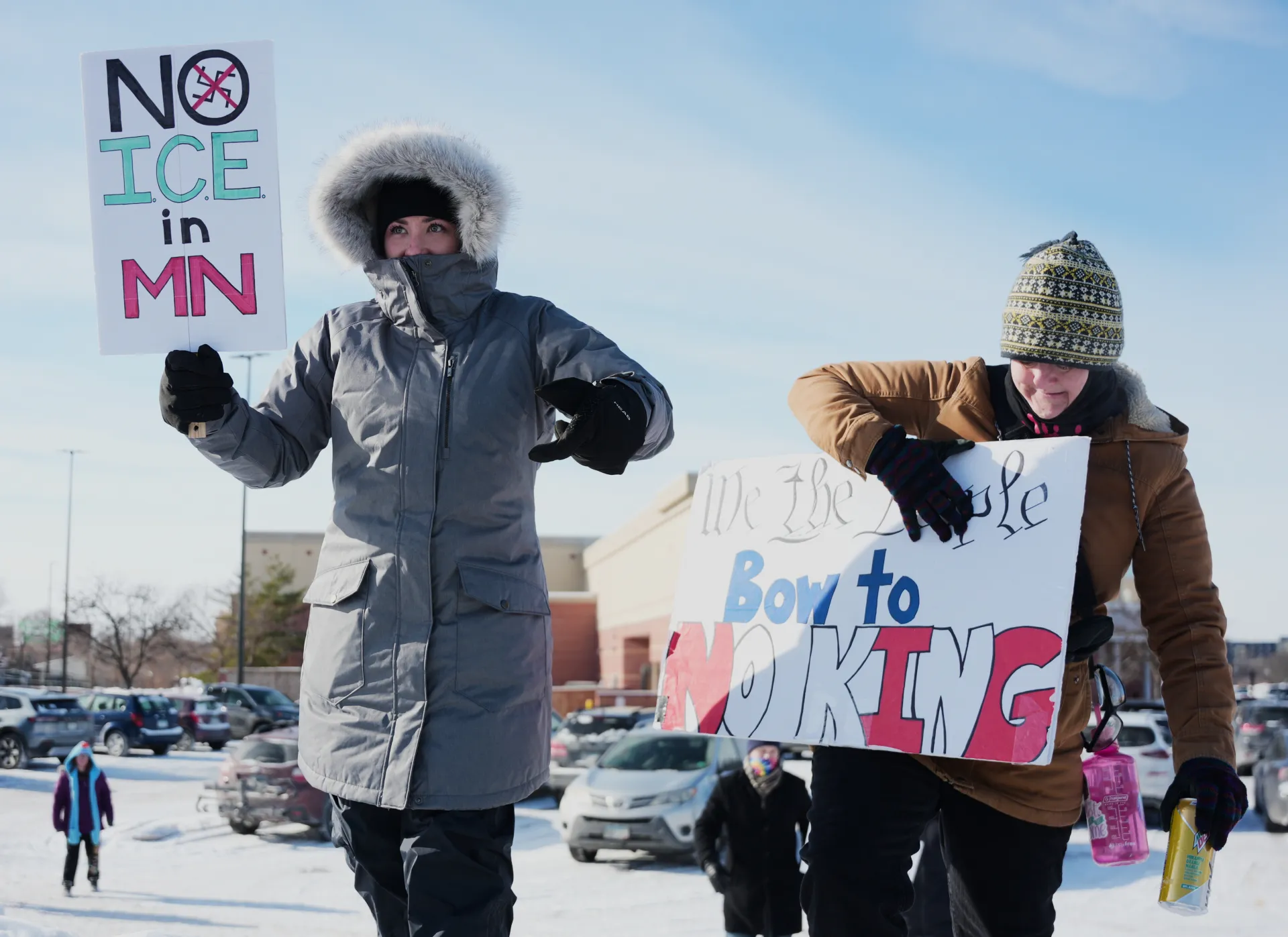
The debate over immigration policies in Minnesota is not merely theoretical; it is rooted in recent, impactful events within the state. From late 2025 to early 2026, federal immigration agents conducted a significant deportation campaign in Minneapolis under the Trump administration. This operation led to public demonstrations and clashes with residents, culminating in a tragic incident in January where Renee Good and Alex Pretti were fatally shot by federal officers. These events sparked widespread outrage and intensified the national debate over federal immigration enforcement tactics.
Both Craig and Flanagan have strongly condemned the Trump administration's actions in Minnesota. Craig, while in Congress, took a definitive stance by introducing articles of impeachment against then-U.S. Homeland Security Secretary Kristi Noem in response to the federal operations. This demonstrates the profound local impact of national immigration policies and their role in shaping political discourse.
Other Significant Races and Political Landscape
Beyond the Senate primary, Minnesota is also witnessing other crucial electoral contests. Representative Ilhan Omar is defending her House seat against four challengers: Julie Le, Abena McKenzie, Latonya Reeves, and Nate Schluter. Omar has already secured the Democratic Party's endorsement for her re-election bid.
The gubernatorial race is also open, as Governor Tim Walz is not seeking another term. On the Democratic side, U.S. Senator Amy Klobuchar is widely expected to secure the nomination. The Republican field for governor is more crowded, with top contenders including Trump-endorsed Mike Lindell, state House Speaker Lisa Demuth, and Kendall Qualls, who has the state GOP's endorsement. Minnesota has not elected a Republican governor in over a decade, making this race particularly significant for both parties.
Former President Trump has repeatedly criticized outgoing Governor Walz, who was the Democratic nominee for Vice President in 2024. Trump's critiques have often focused on allegations of widespread fraud involving federal childcare funds, though these statements have been labeled as racist by various legislators, community groups, and political organizations. These gubernatorial dynamics further highlight the state's role as a battleground in national political narratives.
Election Logistics
For voters in Minnesota, polls are scheduled to open at 7:00 AM CT (12:00 PM GMT) and will close at 8:00 PM CT (1:00 AM GMT).