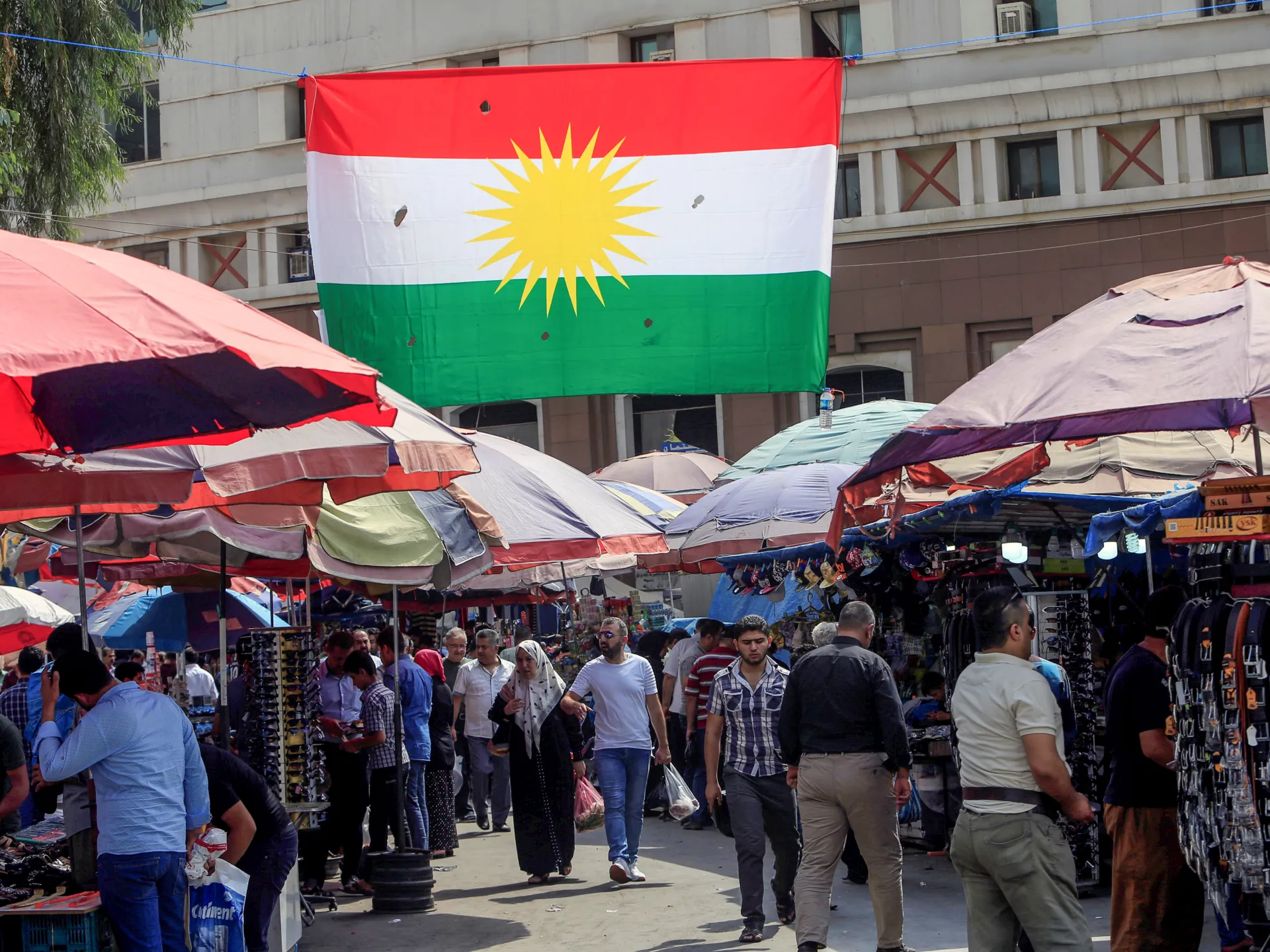
Kurdistan Region Faces Mounting Challenges Amidst Regional Strife
The semi-autonomous Kurdistan region of Iraq has found itself in a precarious position, navigating the complex and volatile landscape of ongoing regional conflicts. Despite concerted efforts by its government to maintain neutrality and prevent its territory from being used as a launchpad for attacks, the region has borne a significant brunt of the repercussions, both in terms of security and economic stability. These challenges have been particularly pronounced over the past five months, coinciding with intensified tensions involving the United States, Israel, and Iran.
Security and Infrastructure Under Siege
Since the conflict escalated in February, the Kurdistan region has been subjected to an alarming number of attacks. Masrour Barzani, the Prime Minister of the Kurdistan Regional Government (KRG), highlighted the severe impact, stating that the region has been targeted over a thousand times by missiles and drones. These projectiles have originated directly from Iran or from various militia groups operating within Iraq. Barzani emphasized the unjustifiable nature of these assaults, which have resulted in casualties, loss of life, and significant damage to critical infrastructure. The KRG has documented that these attacks have struck military and security installations, energy facilities, bases belonging to opposition Iranian Kurdish parties, and civilian areas.
The financial toll of these security incidents has been substantial. According to KRG data, the estimated losses incurred by April amounted to approximately 1.5 trillion Iraqi dinars ($1.14 billion), a figure that has been communicated to the Iraqi federal government. KRG spokesman Peshawa Hawramani reiterated that the Kurdistan region is not a party to the conflict and has not facilitated any attacks against Iran, underscoring that these aggressions constitute a violation of Iraqi sovereignty. He further noted that the KRG has identified the groups responsible for these attacks and has provided this information to Baghdad, yet little action has been taken against these armed factions operating outside state control.
Economic Downturn and Financial Strain
The security crisis has cascaded into a profound economic downturn for the Kurdistan region. Prime Minister Barzani reported a drastic 70 percent decrease in trade across the region due to the ongoing conflict and its security implications. This economic shock comes at a time when the KRG is already grappling with a chronic financial crisis, stemming from protracted disputes with the federal government in Baghdad over salary payments for state employees, oil sales, and revenue sharing. The oil and gas sectors, crucial pillars of the region's economy, have been particularly affected, leading to reduced investment and hindering the movement of companies.
Aland Kareem Salih, an economy researcher and vice president at the Vision Foundation for Strategic Studies, warned of potentially catastrophic consequences should the conflict persist and broaden. He indicated that a prolonged shutdown of oil exports could lead to 100 percent damage to the energy sector. The Iranian bombardments, for instance, have already halted operations at the Khor Mor gas field, impacting electricity supply for the Kurdish region. While an agreement exists with the central government to export 200,000 barrels of oil daily, production has plummeted to just 30,000 barrels, fluctuating with security developments. The KRG's non-oil revenues have also fallen by approximately 70 percent, straining its ability to meet basic governmental needs. The real estate market has also experienced a decline of 15 to 20 percent.
Broader Iraqi Economic Vulnerabilities
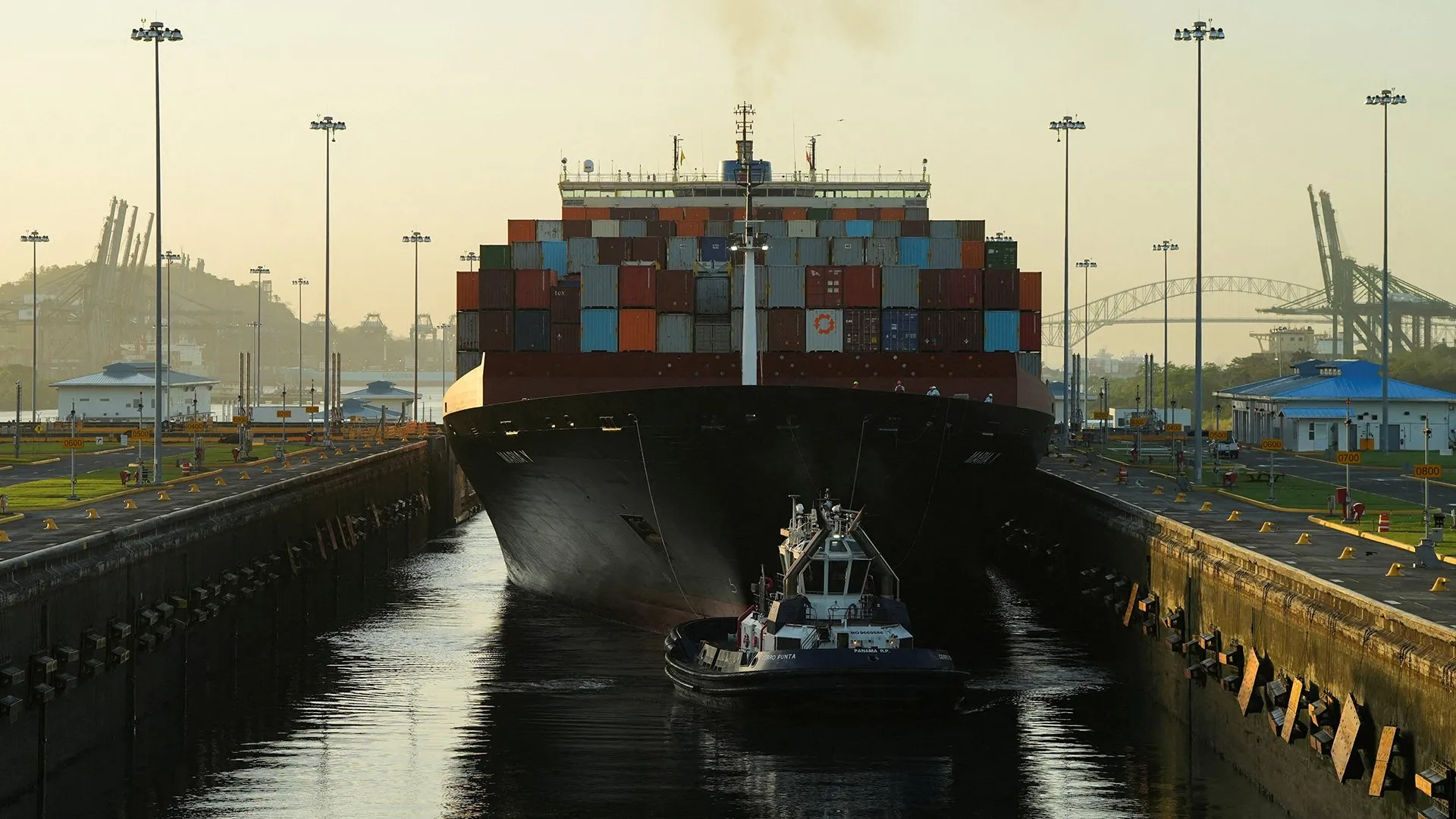
The economic ramifications extend beyond the Kurdistan region to encompass all of Iraq. The Iraqi Ministry of Oil declared a force majeure on all oilfields developed by foreign companies, citing disruptions to navigation through the Strait of Hormuz, which has brought most of the country's crude exports to a standstill. This unforeseeable event has led the Iraqi government to order a halt in oil production without compensation for foreign firms, exposing the limitations of Iraq's ability to manage crises.
This crisis undermines Prime Minister Ali al-Zaidi's economic agenda, which aimed to implement the 'Development Road' project and foster private sector partnerships to diversify the economy away from its heavy reliance on oil. The cessation of oil exports has triggered a sharp decline in revenues, compounded by the stalled progress on alternative export routes through Turkey, Syria, Jordan, and Saudi Arabia due to long-standing political disagreements. This leaves the Iraqi government facing unprecedented financial pressures.
Fear of Regional Entanglement
The presence of Iran-backed armed groups within Iraq further complicates the security landscape. Jabbar Yawar, a security expert and former secretary-general of the Ministry of Peshmerga in the KRG, noted that these groups operate outside the purview of the Iraqi government, creating significant security challenges for the Kurdistan region. He identified several such groups, including Iraqi Hezbollah, Sayyid al-Shuhada Battalions, Imam Ali Battalions, and the al-Nujaba Movement, as being responsible for shelling operations originating from areas like the Nineveh Plains and regions near Kirkuk and Salah al-Din. Neither the KRG nor the Iraqi government possesses comprehensive air defense systems to counter these threats.
There is growing apprehension among residents in major Kurdish cities like Erbil, Sulaymaniyah, and Duhok. Their concerns are not only about the immediate attacks but also about the potential for the region to become a permanent battleground for proxy conflicts between Iran and its allies versus the US and its partners. The continuation or expansion of the war threatens to transform current security concerns into a deeper, more entrenched economic crisis, particularly if oil and gas production remains disrupted or energy facilities continue to be targeted.