Overview of the Electoral Process
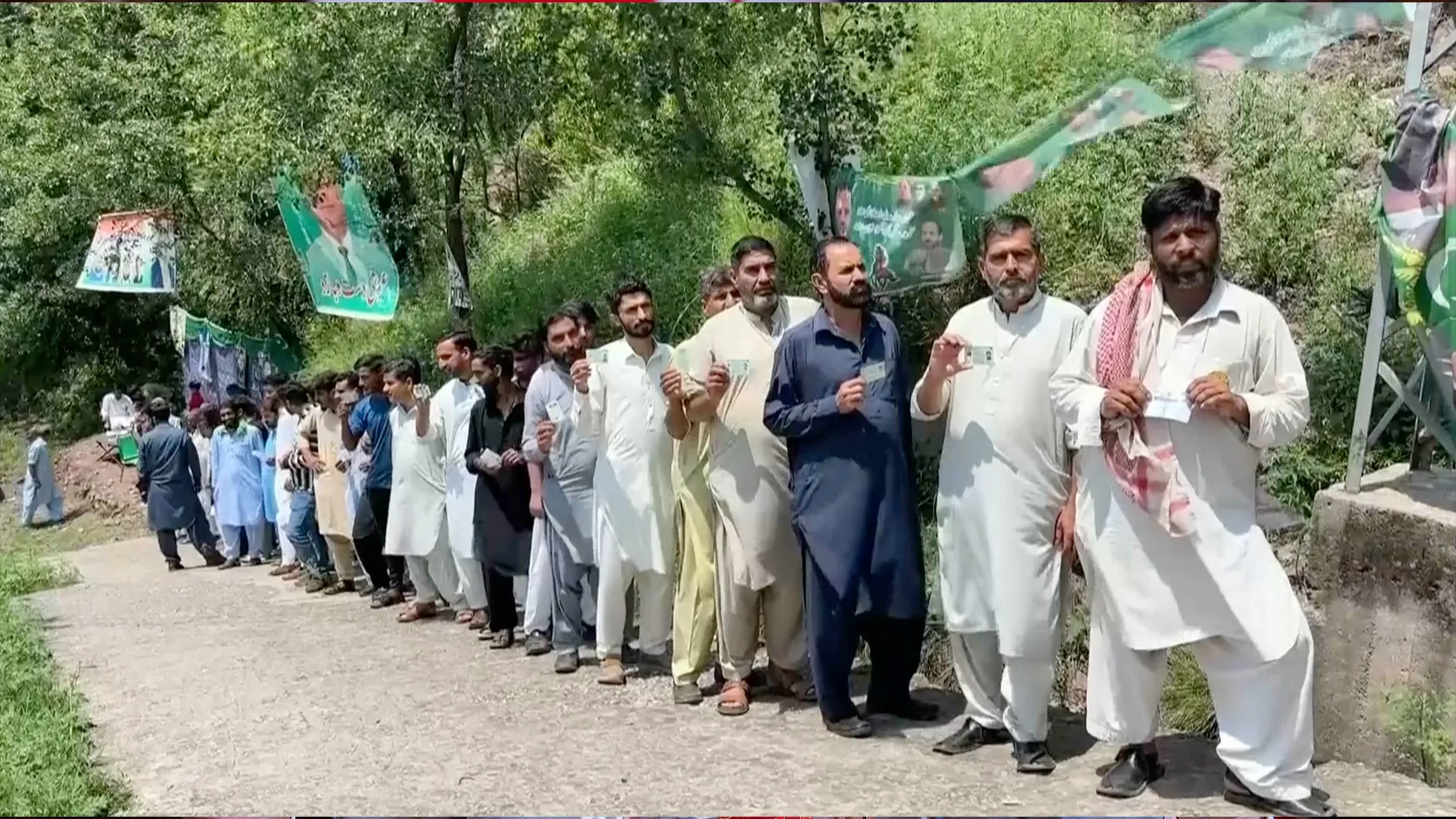
The electoral process for the Legislative Assembly in Pakistan-administered Kashmir has reached its conclusion, marking the end of a significant political exercise in the region. This final phase of voting was closely watched, particularly given the backdrop of ongoing security concerns that have characterized the area. The elections are a critical component of the governance structure, aiming to establish a representative body for the local populace. However, the completion of this phase was notably impacted by prevailing conditions, leading to adjustments in the scope of the polling.
Reduced Scope of Voting
Originally, the third and final phase of these elections was slated to encompass 11 constituencies. This number represented a substantial portion of the electoral map, with each constituency designed to allow residents to cast their ballots for their chosen representatives. The expectation was that a broad participation across these areas would contribute to a robust and comprehensive electoral outcome. Yet, as events unfolded, the actual number of constituencies where voting proceeded was significantly lower than initially planned. Only four of the 11 scheduled constituencies ultimately went to the polls. This reduction was a direct consequence of the security situation, which necessitated a more cautious and contained approach to the electoral proceedings.
The decision to limit voting to a smaller number of constituencies was not made lightly. It reflected a pragmatic response to the challenges on the ground, prioritizing the safety of voters, election officials, and security personnel. Such measures are often a difficult but necessary part of managing elections in regions where stability can be unpredictable. While the ideal scenario involves full participation across all planned areas, the reality of the situation dictated a more constrained approach to ensure that the electoral process, even if limited, could be conducted without undue risk.
Security Landscape and Its Impact
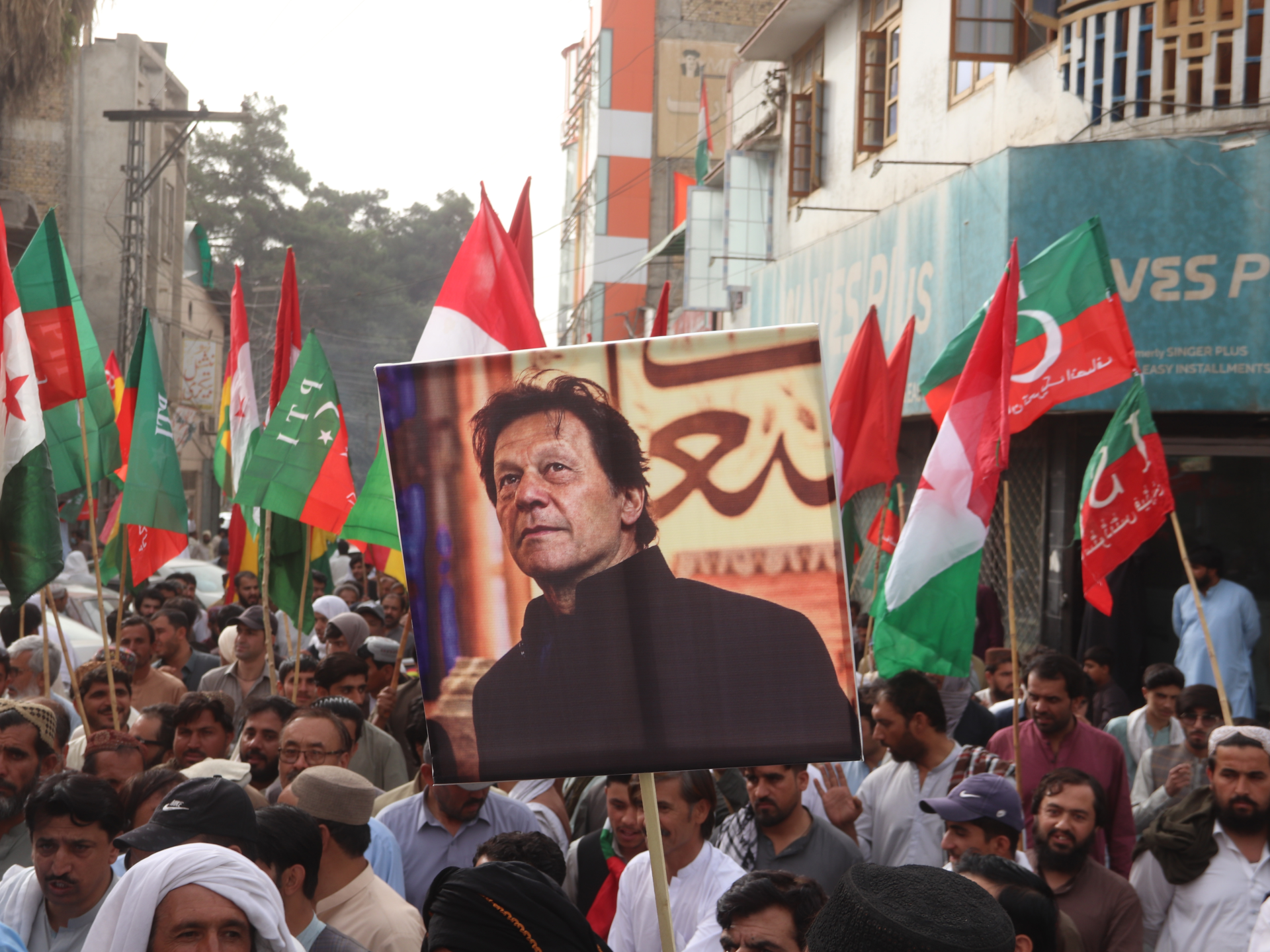
The security landscape in Pakistan-administered Kashmir has long been a complex and sensitive issue. The region is characterized by various factors that contribute to an environment of heightened alert, including historical tensions, geopolitical dynamics, and sporadic instances of unrest. These elements collectively shape the context within which political activities, such as elections, must operate. For the recent Legislative Assembly elections, these security concerns were a dominant factor, influencing not only the logistics of the polling but also the overall atmosphere surrounding the electoral event.
Reports of unrest in the region were a primary driver behind the decision to scale back the number of active polling stations. Such unrest can manifest in various forms, from localized protests and demonstrations to more significant disruptions that could jeopardize the integrity and safety of the electoral process. Authorities responsible for election management and security are tasked with assessing these risks and making informed decisions to mitigate potential harm. In this instance, the assessment led to a strategic reduction in the number of constituencies where voting could safely proceed, underscoring the delicate balance between democratic participation and public safety.
Implications for Regional Governance
The outcome of these elections, even with the reduced polling scope, holds significant implications for regional governance. The Legislative Assembly is a key institution responsible for local administration, policy-making, and representing the interests of the populace. The elected members will be tasked with addressing a range of issues pertinent to the daily lives of residents, from economic development and infrastructure to social services and local ordinances. The legitimacy and effectiveness of this body are, to a large extent, tied to the electoral process that brings it into being.
While the reduced number of constituencies participating in the final phase might raise questions about the comprehensiveness of the mandate, the fact that elections were held at all, despite the challenges, can be viewed as an effort to uphold democratic principles in a difficult environment. The newly formed assembly will face the immediate task of demonstrating its capacity to govern effectively and inclusively, working to address the concerns of all constituents, including those in areas where voting was postponed or did not occur as initially planned. The success of the assembly will depend on its ability to foster stability, promote development, and represent the diverse voices within Pakistan-administered Kashmir, all while navigating the persistent security challenges that define the region.
The electoral process, despite its limitations, underscores the ongoing efforts to establish representative governance in a region marked by complex security dynamics. The focus now shifts to the incoming legislative body and its capacity to address the multifaceted challenges confronting the populace.
The conclusion of this electoral phase marks a critical juncture. It highlights the persistent challenges associated with conducting democratic exercises in politically sensitive and security-prone regions. The authorities involved made difficult decisions to ensure some level of electoral activity could proceed, balancing the ideals of democratic participation with the practicalities of maintaining peace and order. As the results are tabulated and a new assembly takes shape, its journey will undoubtedly be watched closely by both local residents and international observers, keen to see how it navigates the intricate path ahead.