Widespread Discontent Over Examination System
The eastern Indian state of Jharkhand has been the scene of escalating protests over alleged irregularities in government recruitment examinations. Demonstrators, primarily students, have voiced strong objections to the current examination system, demanding significant reforms and a thorough investigation into the reported malpractices.
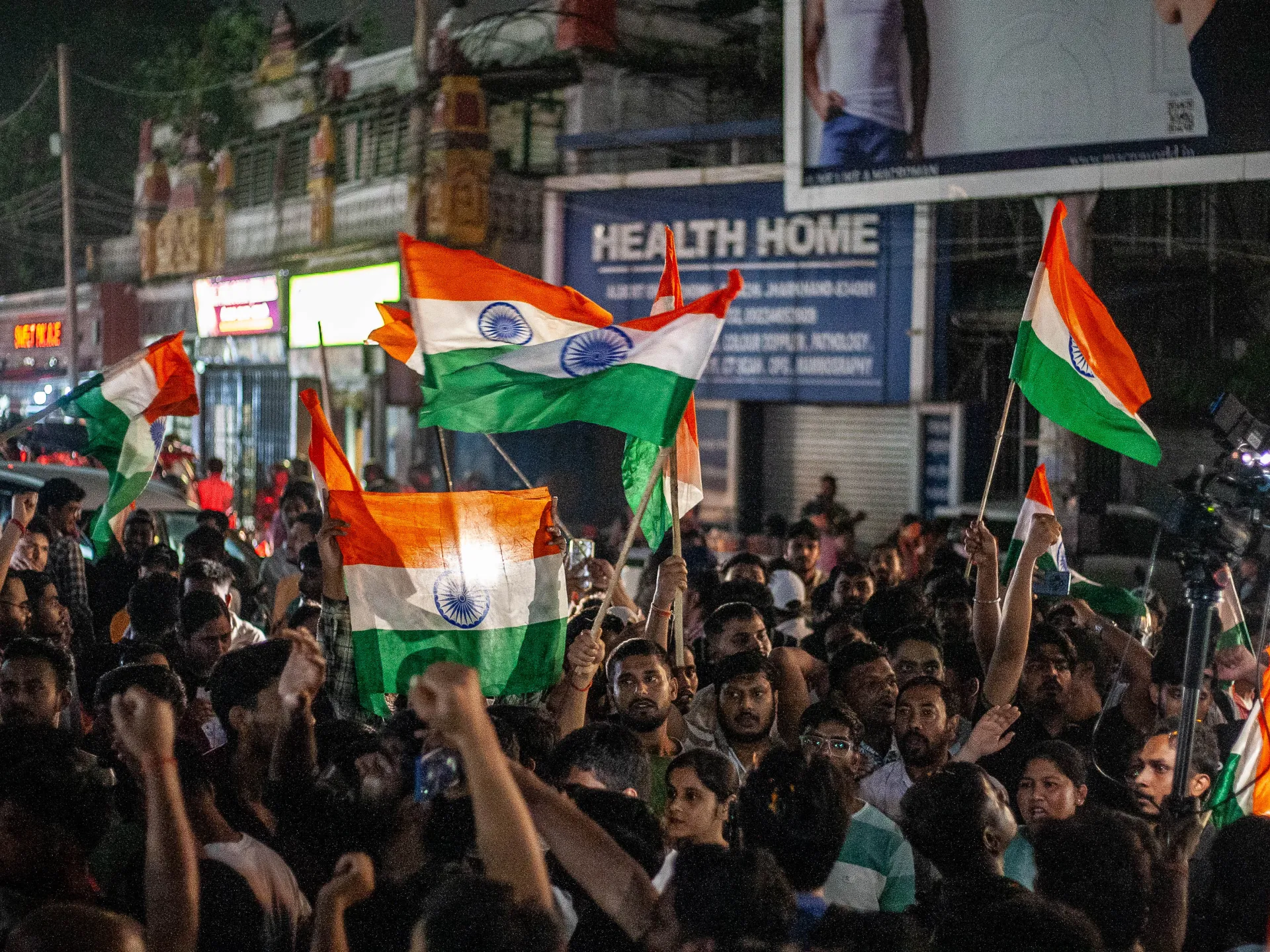
On a recent Monday, the state capital, Ranchi, witnessed a large-scale demonstration as protesters attempted to march towards the Legislative Assembly building. Security forces responded by deploying water cannons and erecting barricades to contain the crowds, highlighting the growing tension between the student community and state authorities. This particular protest marks a continuation of a series of demonstrations that commenced late last month, fueled by allegations of exam question leaks and other irregularities in state public service recruitment tests.
Demands for Systemic Overhaul and Federal Investigation
The core demands of the protesting students are multifaceted. They are calling for a complete overhaul of Jharkhand's examination system, the cancellation of specific tests believed to be compromised, and crucially, an investigation by the federal police. The protesters argue that the integrity of the recruitment process has been undermined, jeopardizing the career prospects of countless young individuals.
In anticipation of the demonstration, hundreds of police personnel were stationed around the assembly building, protected by multi-tiered barbed-wire barricades. Surveillance drones were also utilized to monitor the situation. These extensive security measures were implemented after repeated negotiations between student representatives and the state government failed to yield a resolution to the dispute.
Security forces resorted to firing water cannons as protesters attempted to breach barricades located near Jagannath Mandir, approximately three kilometers from the assembly complex. The determination of the protesters was evident, with some individuals attempting to climb over the barriers despite the police presence.
Among the prominent figures in the protest is student leader Devendra Nath Mahto, 33, who joined the frontline of Monday's march on a stretcher. Mahto has been on an indefinite hunger strike for nine days, symbolizing the deep commitment and sacrifice of the student movement. In a speech broadcast by Indian media, Mahto declared, "Despite being on hunger strike, the barbed wires will not be able to stop us," underscoring the unwavering resolve of the demonstrators.
Partial Concessions and Continued Resistance
In response to the mounting pressure, the Jharkhand state government announced on Sunday its decision to cancel the 14th Jharkhand Public Service Commission (JPSC) preliminary exam and two backlog recruitment tests. Furthermore, three members of the JPSC board submitted their resignations following questioning by state investigators, indicating an acknowledgment of some issues within the commission.
However, these concessions have not fully satisfied the student groups. They have stated that their protests will persist until two additional key demands are met: the cancellation of the Combined Graduate Level examination and the transfer of the investigation into exam paper leaks to the Central Bureau of Investigation (CBI), a federal agency. The demand for a CBI inquiry reflects a lack of confidence in state-level investigations and a desire for a more impartial and thorough probe.
Echoes of National Protests
These protests in Jharkhand occur just two weeks after a significant youth-led movement in New Delhi, dubbed the "cockroach" movement, successfully pressured Education Minister Dharmendra Pradhan to resign. That movement, organized by an online group calling itself the Cockroach Janta Party, lasted for 36 days and was triggered by leaks in the national medical school entrance test. The success of the New Delhi protests has likely emboldened student activists in Jharkhand, providing a precedent for sustained agitation leading to governmental accountability.
The parallels between the two movements underscore a broader concern across India regarding the integrity and fairness of public recruitment examinations. As the protests in Jharkhand continue, the focus remains on whether the state government will yield to the remaining demands and implement the comprehensive reforms sought by the student community.