Diplomatic Fallout After Yasukuni Shrine Visit
Japan's Defense Minister, Shinjiro Koizumi, has drawn significant international criticism following his visit to the controversial Yasukuni Shrine. The visit, which occurred on the 81st anniversary of Japan's unconditional surrender in World War II, has been met with stern rebukes from both China and South Korea, highlighting persistent diplomatic sensitivities surrounding Japan's wartime history.
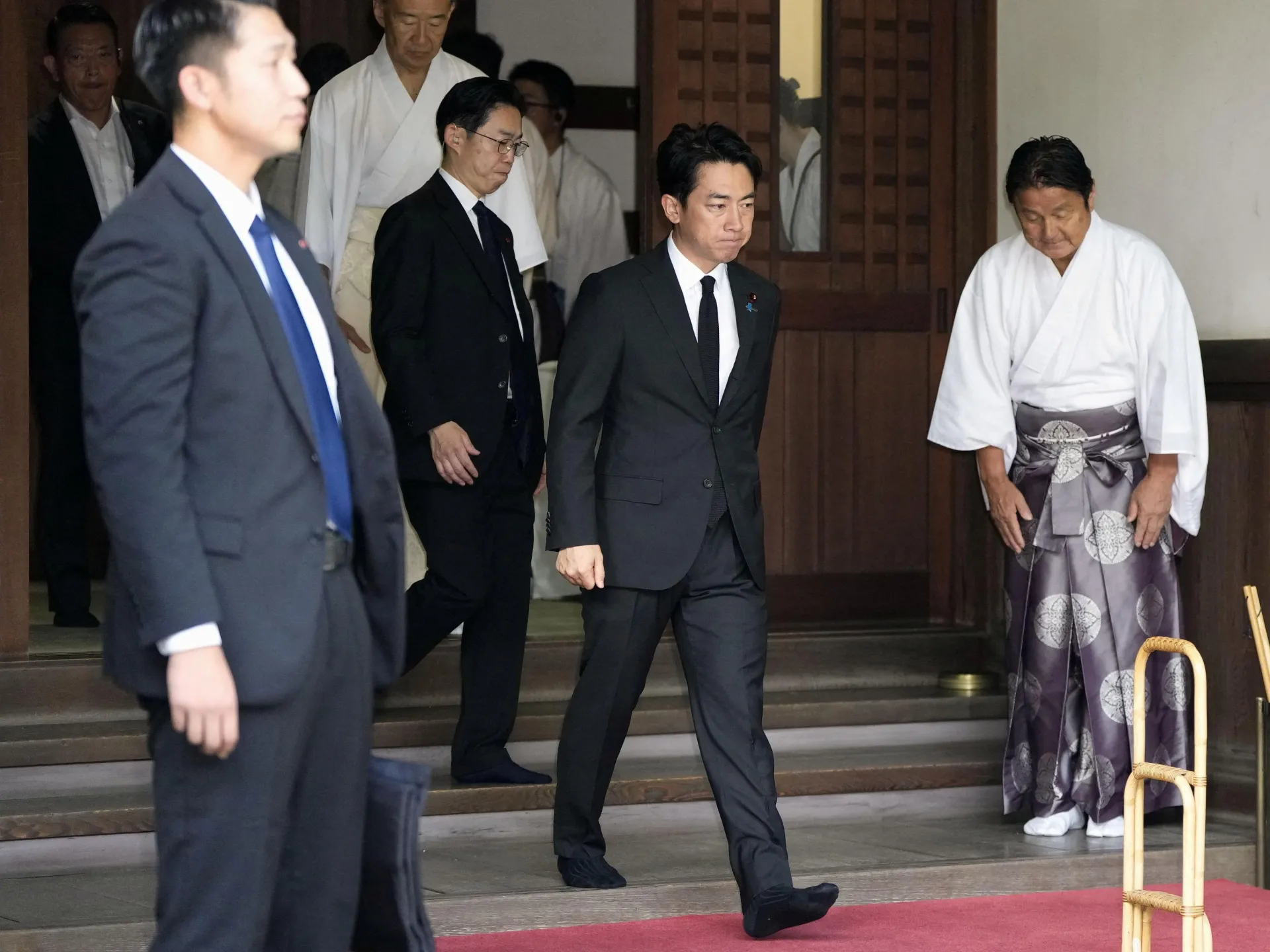
Koizumi's presence at the shrine on Saturday, August 15, on a day marking a pivotal moment in global history, immediately sparked concern among Japan's neighbors. The Yasukuni Shrine is a site dedicated to approximately 2.5 million Japanese war dead, a group that controversially includes 14 Class A war criminals convicted for their roles in Imperial Japan's aggressive military expansion and occupation of various Asian territories during the 1930s and 1940s. For many in East Asia, particularly in nations that suffered under Japanese occupation, the shrine and visits by high-ranking Japanese officials are seen as emblematic of Japan's perceived failure to adequately atone for past atrocities.
Minister Koizumi's Rationale and Regional Repercussions
Upon leaving the Yasukuni Shrine, Minister Koizumi declined to engage with reporters. However, he later conveyed his intentions via an Instagram post, stating that his visit was to "offer his sincere condolences to the heroic spirits who sacrificed their precious lives for the nation." He further articulated, "Along with our vow to renounce war, I reaffirmed our determination to continue fulfilling our responsibility to uphold Japan’s postwar path as a peaceful nation." This statement aimed to contextualize his visit within Japan's commitment to peace, yet it did little to assuage the concerns of neighboring countries.
Speculation had also surrounded whether Japanese Prime Minister Sanae Takaichi, a frequent visitor to the shrine before assuming her current office in October, would attend. While Prime Minister Takaichi did not make a personal appearance, local media outlets reported that she, like several prime ministers before her, sent an offering to the shrine. This gesture, alongside Minister Koizumi's visit, contributed to the regional outcry.
International Condemnation and Historical Demands
China's Ministry of Foreign Affairs issued a strong condemnation, stating that the nation "strongly condemns" both Prime Minister Takaichi's offering and Minister Koizumi's visit. The ministry confirmed that it had lodged "strong protests with the Japanese side," underscoring the severity with which Beijing views such actions. China has consistently viewed visits to Yasukuni as affronts to the memory of victims of Japanese aggression and as indications of a lack of genuine remorse for wartime conduct.
Similarly, South Korea's Ministry of Foreign Affairs expressed "deep regret" over what it characterized as the "anachronistic" actions of Japanese leaders. Seoul urged Japan's leadership to confront its history directly and to demonstrate, through concrete actions, "humble reflection and sincere remorse" for its past. The inclusion of Class A war criminals, along with at least 1,000 other individuals found guilty by Allied tribunals after Japan's defeat in 1945, remains a central point of contention for South Korea and other nations victimized by Imperial Japan.
"We have lodged … strong protests with the Japanese side," China's Ministry of Foreign Affairs stated.
Japanese officials have historically defended such visits by asserting they are made in a personal capacity to honor those who perished in the nation's conflicts. While defense ministers have visited Yasukuni previously, with the last instance being Minoru Kihara in 2024, visits by sitting prime ministers are particularly sensitive. The last time a sitting Japanese prime minister, Shinzo Abe, visited the shrine in December 2013, it elicited an expression of disappointment from the administration of then-United States President Barack Obama, highlighting the broader international implications of such actions.
The recurring controversy surrounding the Yasukuni Shrine continues to serve as a significant impediment to improved relations between Japan and its East Asian neighbors. Each visit by a high-profile Japanese official reopens historical wounds, reinforcing the perception among some that Japan has not fully reconciled with its wartime past. For China and South Korea, these visits are not merely symbolic gestures but are seen as direct challenges to the narrative of Japanese accountability and remorse, making the path to full regional reconciliation a complex and often fraught journey.