Accusations of State Complicity in West Bank Violence
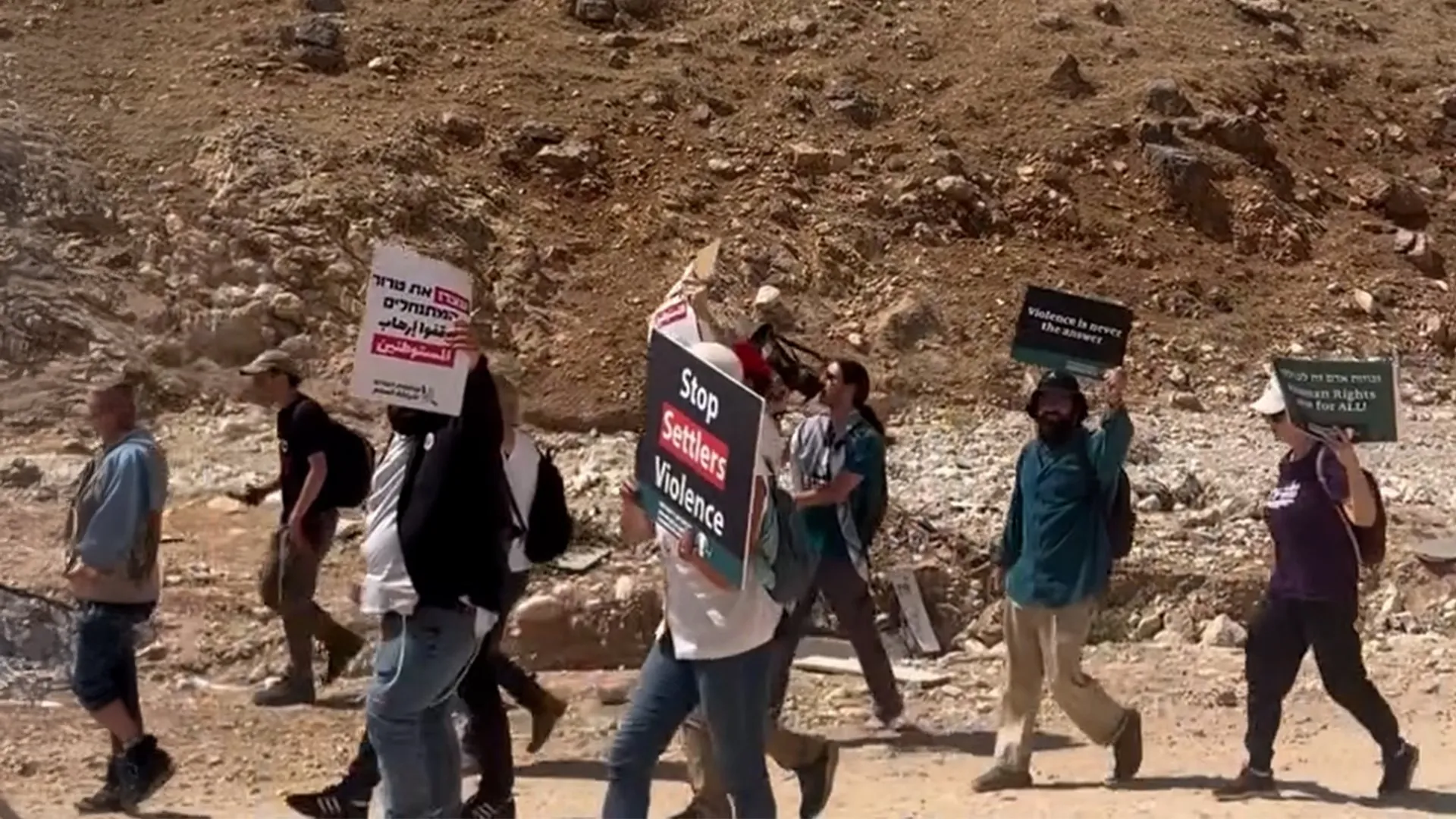
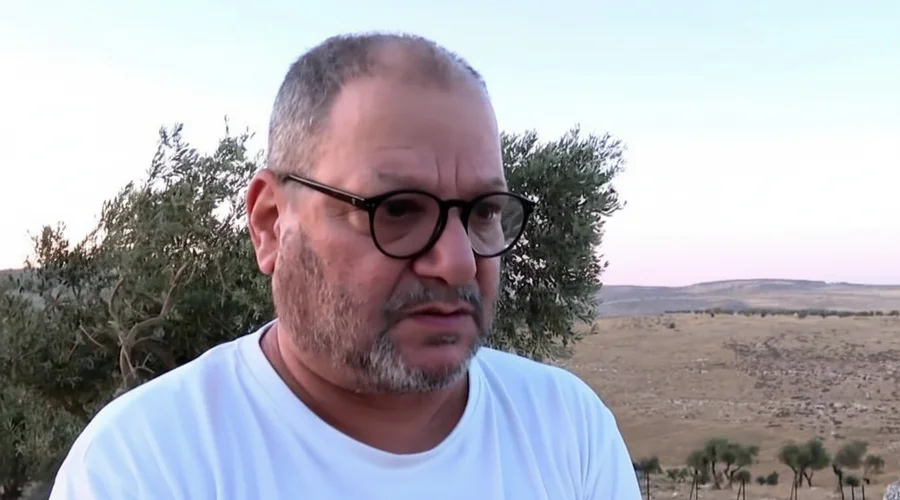
In a significant and controversial statement, an Israeli Knesset member has publicly declared that the escalating violence perpetrated by settlers against Palestinians in the occupied West Bank constitutes 'clear state terrorism.' This assertion stems from the belief that such acts are not merely isolated incidents but are actively 'encouraged and financed by the government,' implying a deeper, more systemic involvement than previously acknowledged by some.
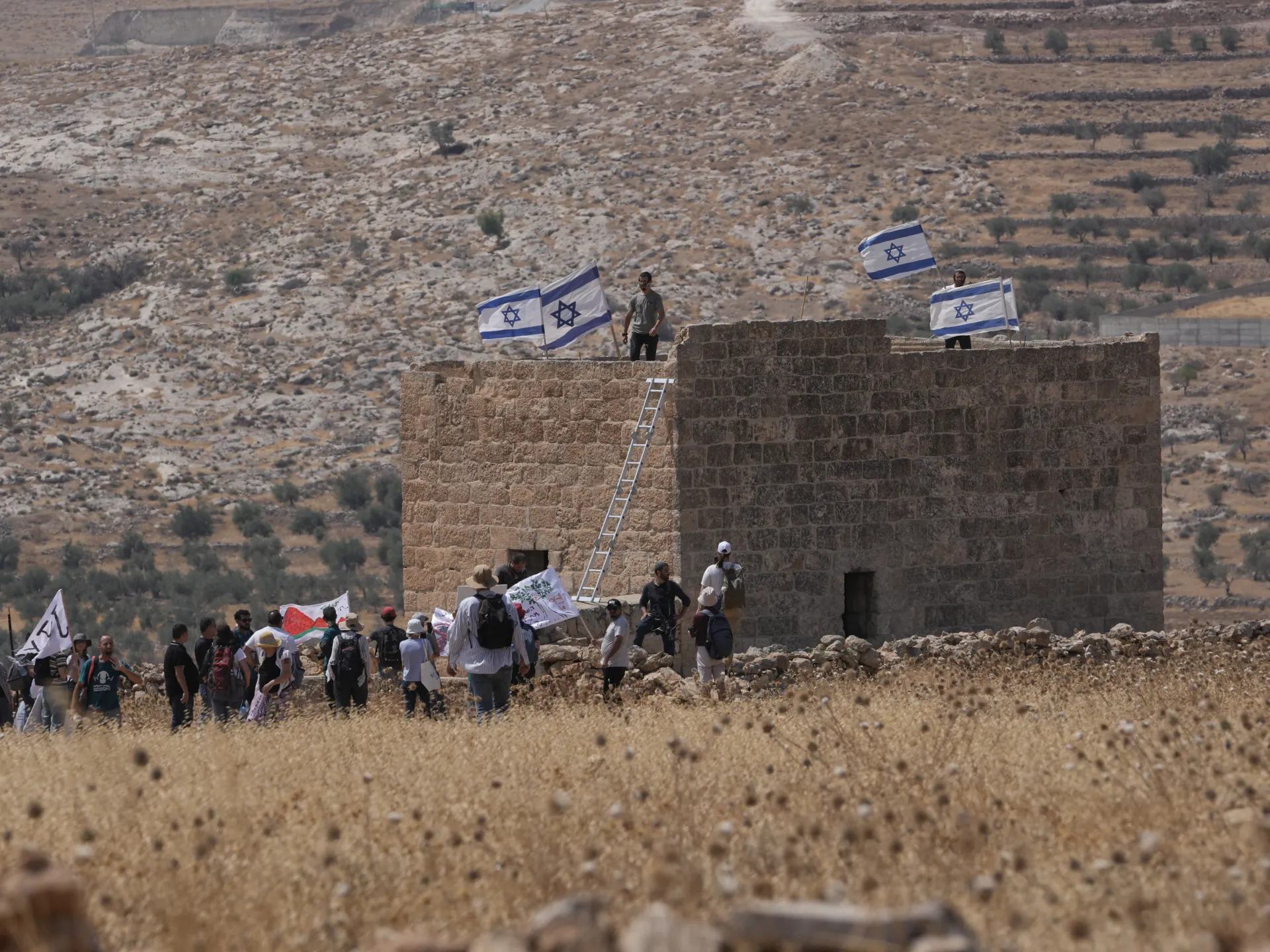
The occupied West Bank has long been a flashpoint of conflict, characterized by a complex interplay of historical claims, political aspirations, and daily struggles. The presence of Israeli settlements, which are considered illegal under international law, has been a persistent source of tension. These settlements often expand into areas traditionally inhabited or cultivated by Palestinians, leading to frequent confrontations over land, resources, and access.
Understanding the Dynamics of Settler Violence
Settler violence encompasses a range of actions, from property damage, such as the uprooting of olive trees and destruction of crops, to physical assaults and harassment against Palestinian civilians. Reports from human rights organizations and international bodies frequently document these incidents, highlighting their impact on Palestinian livelihoods and security. The allegations made by the Knesset member suggest that these acts are not spontaneous outbursts but are part of a broader strategy, potentially sanctioned or at least tacitly supported by state mechanisms.
The term 'state terrorism' is a potent and highly charged accusation. It implies that a state, or elements within it, are deliberately using violence or sponsoring non-state actors to achieve political objectives through intimidation and fear. If the claims are substantiated, it would fundamentally alter the perception of the conflict, shifting the narrative from individual acts of extremism to a more organized, state-backed campaign. This would have profound implications for international relations, human rights advocacy, and peace efforts.
Government Response and International Scrutiny
Historically, the Israeli government has maintained that it condemns violence from all sides and that it takes measures to uphold law and order in the West Bank. However, critics often argue that enforcement against settler violence is inconsistent or inadequate, leading to a climate of impunity. The accusation of 'state terrorism' directly challenges this narrative, suggesting a deliberate policy of inaction or even complicity.
International bodies, including the United Nations, have repeatedly expressed concerns over the expansion of settlements and the violence associated with them. Various resolutions and reports have called for Israel to cease settlement activities and protect Palestinian civilians. The recent allegations are likely to intensify this international scrutiny, potentially leading to renewed calls for accountability and investigations into the role of state actors.
“The claim that settler attacks are 'encouraged and financed by the government' is a serious indictment, suggesting a deliberate policy rather than isolated incidents.”
The economic impact of settler violence on Palestinian communities is substantial. Many Palestinian families in the West Bank rely on agriculture for their livelihood. The destruction of crops, theft of livestock, and restrictions on access to land directly undermine their economic stability, contributing to poverty and displacement. Furthermore, the constant threat of violence creates a pervasive atmosphere of fear, affecting mental health and disrupting daily life, including children's access to education.
Legal and Ethical Implications
From a legal perspective, the accusation of 'state terrorism' raises questions about adherence to international humanitarian law and human rights conventions. States are obligated to protect their populations, and the alleged sponsorship of violence against a civilian population would represent a severe breach of these obligations. Ethically, such actions would be widely condemned as violating fundamental principles of justice and human dignity.
The political landscape within Israel is often polarized on issues related to the West Bank. While some politicians advocate for a more robust approach to curbing settler violence and promoting Palestinian rights, others staunchly defend the settlements and view any criticism as an attack on Israeli sovereignty and security. The Knesset member's statement, therefore, is not only an indictment of government policy but also a reflection of deep divisions within Israeli society itself.
Moving forward, the international community will likely watch closely for any official responses to these allegations. The credibility of such claims will depend on the presentation of evidence and the willingness of international bodies to conduct independent investigations. The resolution of the conflict in the West Bank remains one of the most intractable challenges in global diplomacy, and accusations of state-sponsored violence only serve to underscore the urgency and complexity of the situation.