Activists Blocked from Reaching Trapped Families
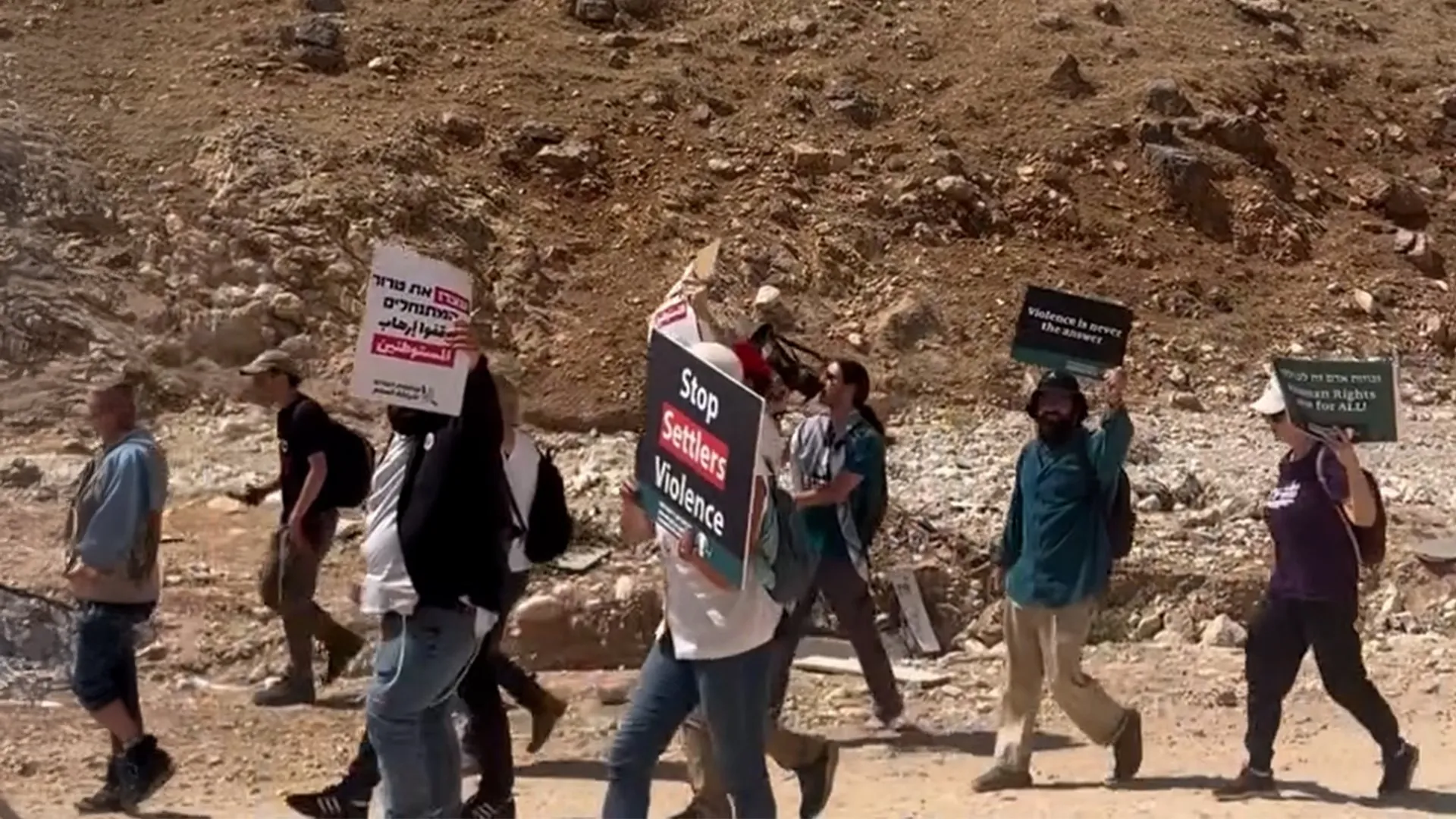
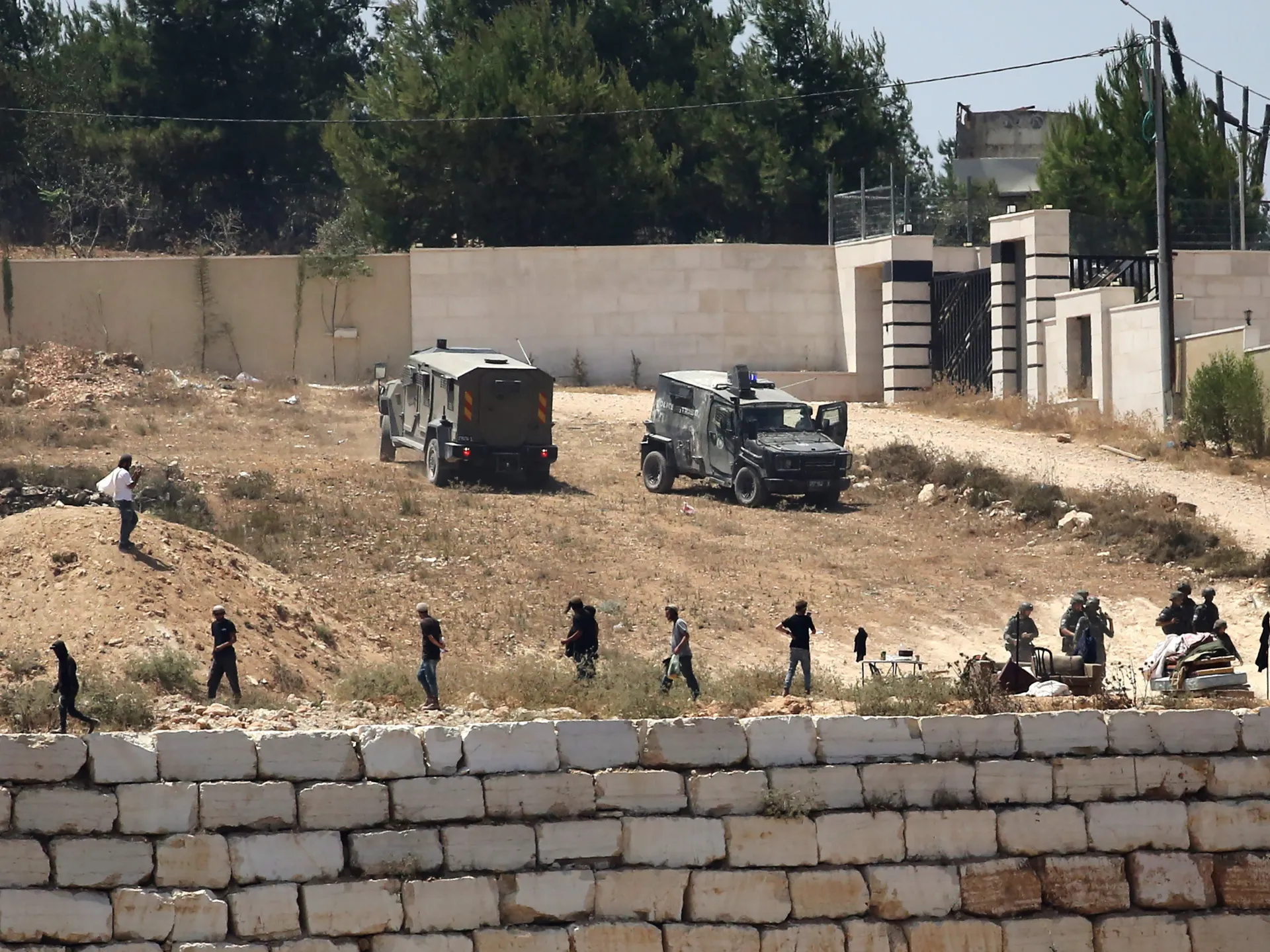
In the occupied West Bank, Israeli forces have reportedly prevented both Israeli and international activists from accessing Palestinian families in Qusra, a town south of Nablus. These families have been confined to their homes for nearly a week due to an encirclement by Israeli settlers. The activists were attempting to deliver essential supplies, such as food and water, to three residences located in the Ras al-Ain area.
According to reports from the Palestinian news agency Wafa, the incident occurred on Friday. Al Jazeera's Laith Jaar, reporting from Qusra, indicated that Israeli forces reinforced their presence and declared the area a closed military zone, effectively stopping members of the Israeli organization Peace Now from reaching the families. Earlier in the week, Italian activists who had managed to reach the homes were also reportedly compelled to leave by Israeli forces, as stated by Qusra Mayor Abdel Azim Wadi.
Families Endure Isolation and Scarcity
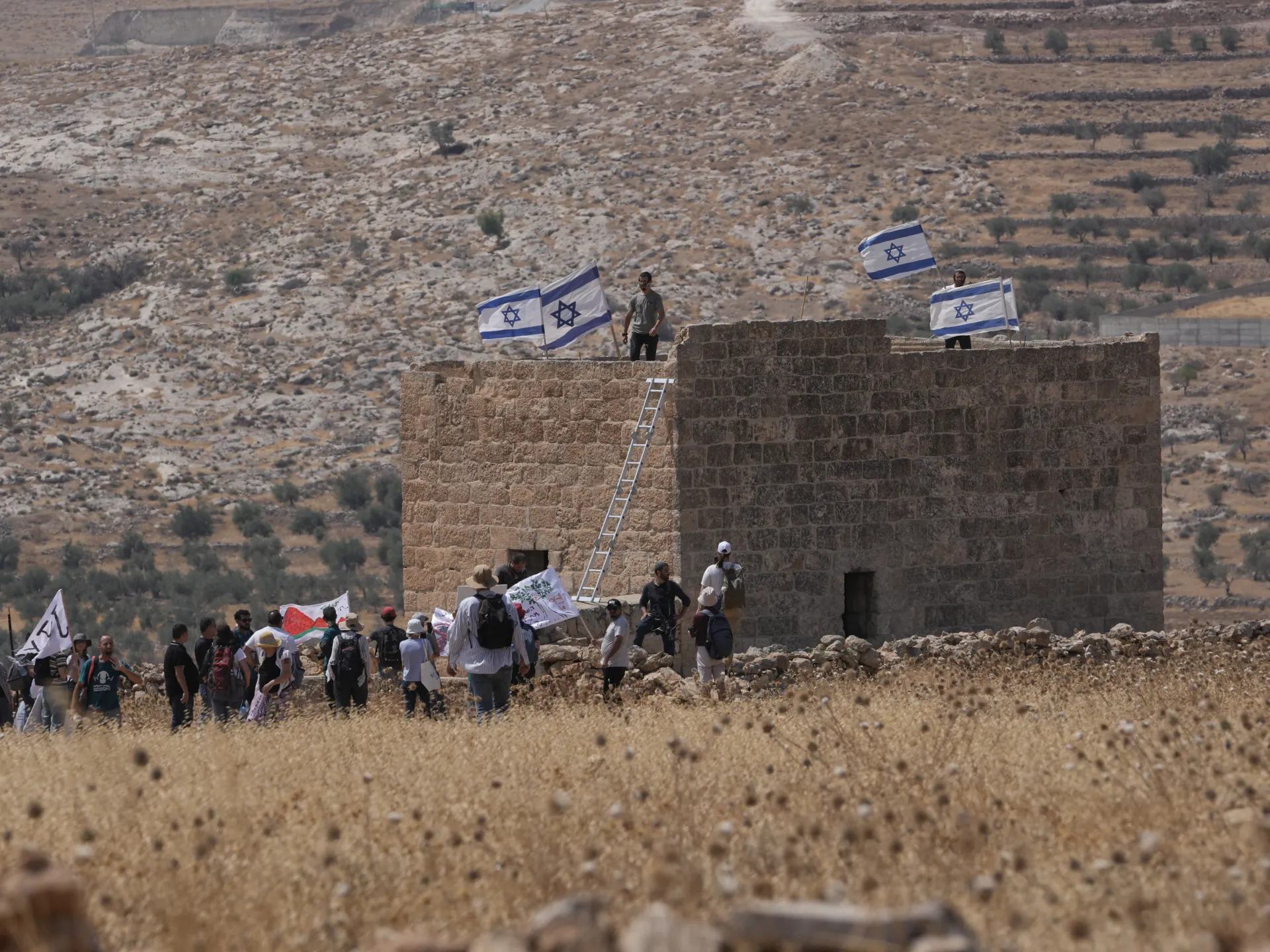
The ordeal for the Palestinian families began earlier in the week when settlers initiated their encirclement of the homes. They reportedly obstructed roads with stones, established a tent nearby, and restricted the residents' movement. Crucially, water and electricity services to the affected homes have also been disrupted. Approximately 15 Palestinians, including two children, are residing in these three homes and have faced significant challenges in obtaining basic necessities.
The United Nations has expressed grave concern over the situation, noting that the families are "trapped inside their homes in a state of terror, unable to attend to their basic needs and without access to water or electricity." A day prior to the activists' attempted intervention, Israeli forces had entered the area and instructed the families to temporarily vacate their residences. However, the residents chose to remain, gathering in one of the houses, driven by fears that abandoning their homes could lead to their seizure.
Further exacerbating the situation, Jaar reported that settlers made another attempt on Friday to erect a tent and establish an outpost near the homes, though Israeli forces subsequently removed it. Qusra has become a focal point for settler-related violence in the northern occupied West Bank. The UN earlier this year documented that Qusra has experienced more settler attacks than any other community in the occupied West Bank.
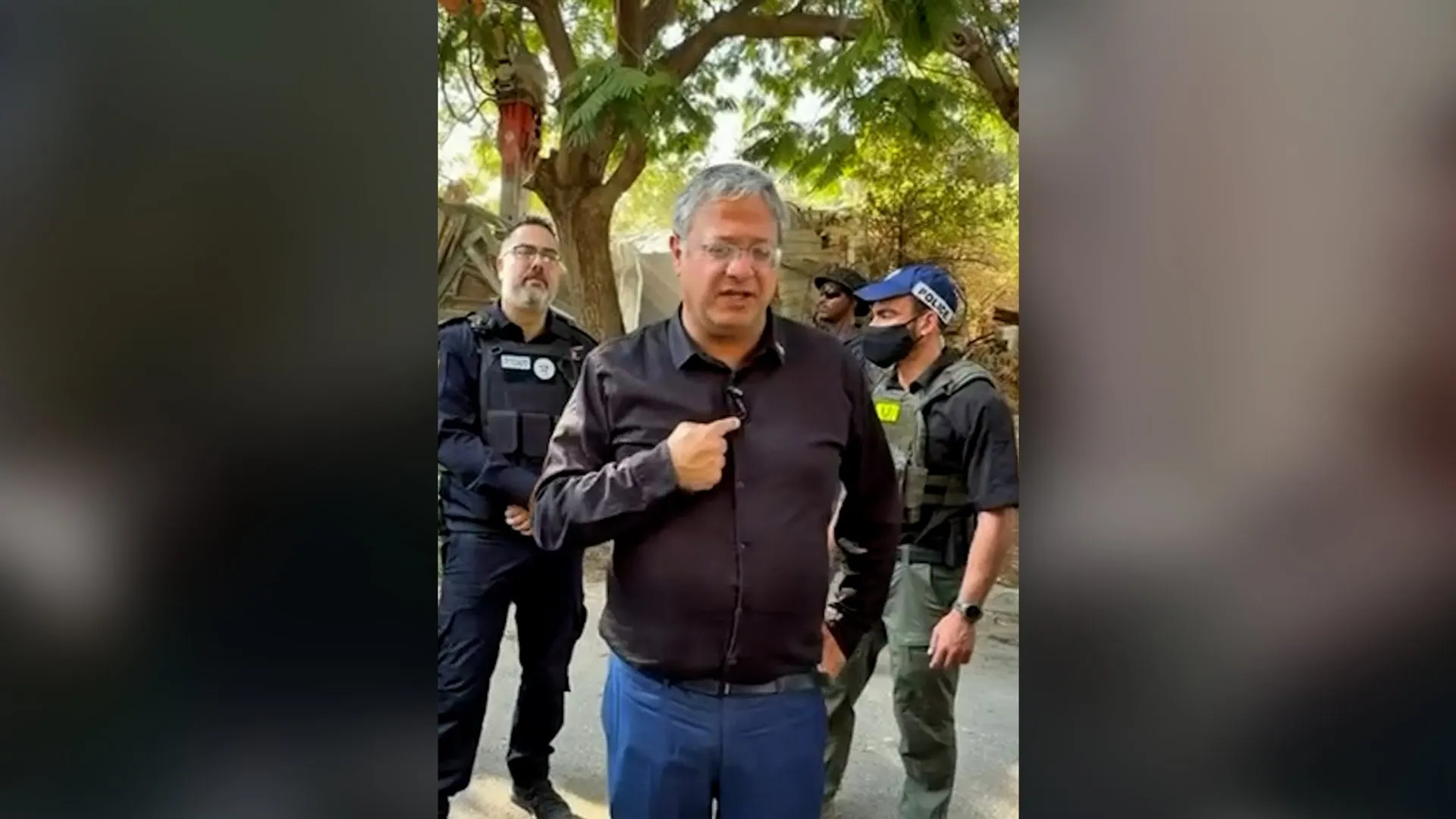
"The police are controlled by National Security Minister Itamar Ben-Gvir, who arms these settlers and supports them in the West Bank." - Ibrahim Rabaia, Political Scientist
Policy Shift and Political Implications
These developments unfold against the backdrop of a significant policy change proposed by Israeli Defence Minister Israel Katz. Katz has ordered preparations for the transfer of responsibility for enforcing civilian law concerning settlers in the occupied West Bank from the military to the Israeli police. This move has sparked debate and raised questions regarding its potential impact on the ground.
Political scientist Ibrahim Rabaia commented to Al Jazeera that this proposed shift appears to be motivated by political considerations, questioning the feasibility and breadth of its implementation. Rabaia highlighted that under the current system, the military retains responsibility for the occupied West Bank, and there is already coordination between the army and police. He contended that transferring these responsibilities would likely not result in the police preventing settlers from attacking Palestinian homes. Rabaia specifically pointed to the influence of National Security Minister Itamar Ben-Gvir, suggesting that Ben-Gvir "arms these settlers and supports them in the West Bank."
Rabaia, an academic in political science and former managing editor of the journal Palestinian Affairs, further elaborated on the advanced stage of settlement expansion. He described the ongoing establishment of infrastructure, funding, and planning as creating "a reality that cannot be reversed." This expansion, he argued, includes the development of new areas designed to accommodate a larger number of settlers in the future, effectively solidifying their presence in the region.