Economic Hardship Deepens for Iranian Citizens
The Iranian economy is currently experiencing profound distress, leading to widespread hardship for its citizens. As a prolonged conflict with the United States continues, exacerbated by a naval blockade of Iranian ports, the nation's economic landscape has been severely impacted. This situation has resulted in soaring prices and a significant decline in living standards for many.
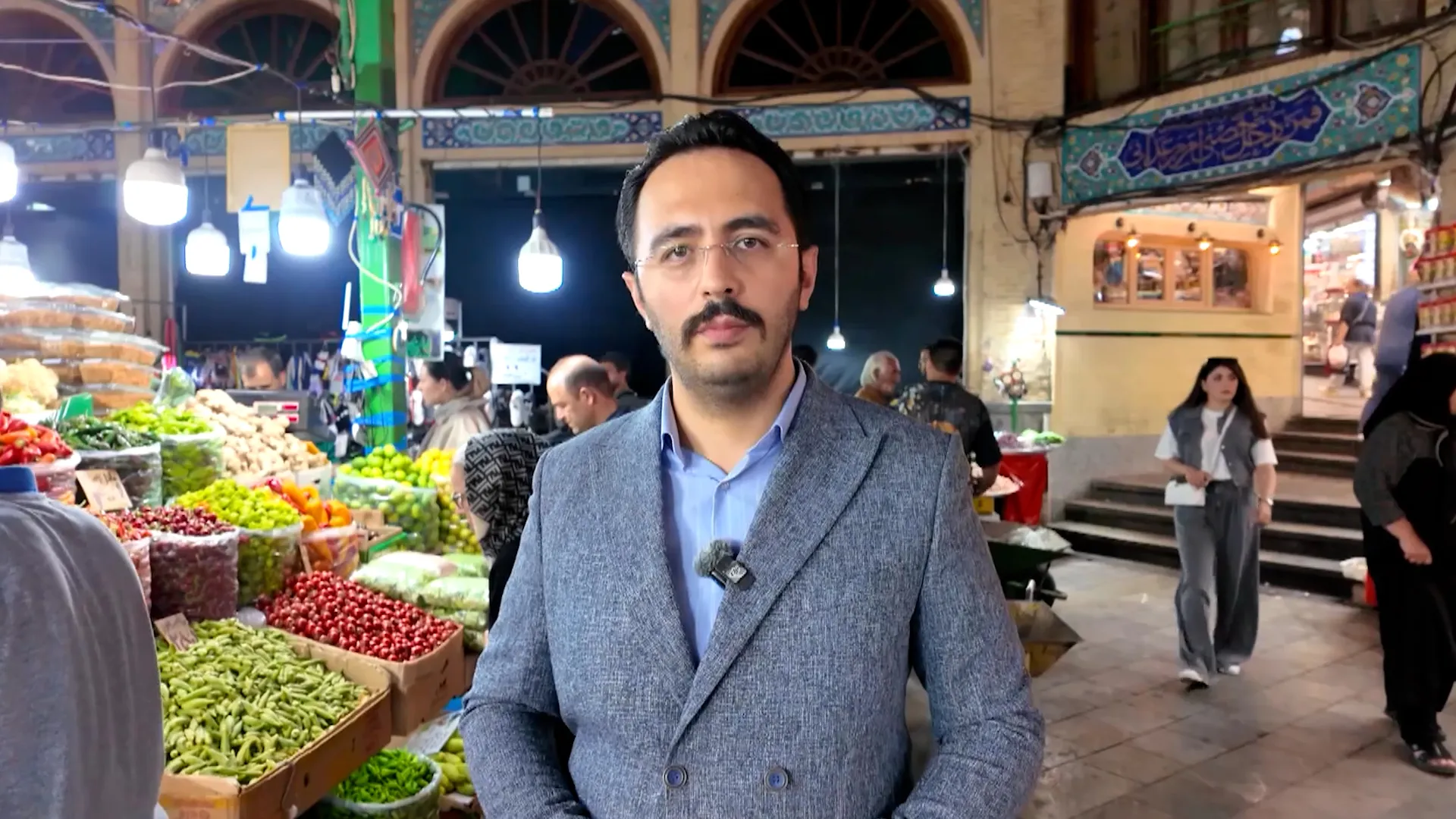
Saeed, a 26-year-old resident of Tehran with a master's degree in Persian literature, illustrates the predicament faced by many. Despite his qualifications, he finds himself searching for better-paying employment than his current elementary school teaching position. He notes the bleak job market, where available positions often offer salaries significantly below the basic monthly minimum wage of approximately 166 million rials ($88). Many employers also demand long hours, sometimes 12 hours a day, six days a week, without offering insurance, and frequently find excuses to deduct pay, aware of the limited alternatives available to job seekers. This forces many, like Saeed, to seek any available work, regardless of their educational background or experience, simply to afford basic necessities.
Inflation and Cost of Living Crisis
The purchasing power of the Iranian rial has plummeted, making everyday items prohibitively expensive. For an individual earning the minimum wage and receiving government support, a kilogram of lamb can consume about 10 percent of an entire month's earnings. Similarly, 10 kilograms of Iranian rice can account for over one-fifth of a monthly wage. These figures do not even account for the rapidly escalating costs of housing, utilities, transportation, and healthcare, which further burden households.
In March, the government approved a 60 percent increase in the basic minimum wage, a measure that carried the risk of fueling inflation. At that time, the estimated cost of a subsistence package for an average 3.3-person worker household was 430 million rials ($230). This economic pressure has been compounded by several factors, including the ripple effects of the United States-Israel conflict on Iran, and two state-imposed internet shutdowns, one of which occurred during nationwide protests in January that resulted in thousands of casualties. These events have only worsened the systemic issues within the Iranian economy, which have long suffered from corruption, mismanagement, and decades of international sanctions from the U.S. and the United Nations.
Resilience Amidst Adversity, Yet Widespread Suffering
Despite the immense challenges, Iran's economy, valued at over $1 trillion, has not collapsed entirely, demonstrating a degree of resilience. As a resource-rich nation with a population exceeding 92 million, Iran has, over decades, developed a relatively diversified economy for a major oil exporter. This has been a deliberate strategy by authorities to foster self-sufficiency in the face of economic embargoes and confrontations with the U.S., Israel, and Western nations.
However, the direct impact of current sanctions and the ongoing conflict is undeniably felt by the Iranian populace. The Statistical Center of Iran reported a year-on-year inflation rate of approximately 88 percent at the end of July. Food inflation was even more severe, exceeding 128 percent compared to the previous year, meaning that the same basket of food items cost roughly 2.28 times more in July 2026 than in July 2025. Specific food categories saw even higher increases: oils and fats experienced 261 percent inflation, milk, cheese, and eggs 147 percent, and meat and poultry 145 percent. These unprecedented price surges, the highest in over eight decades, have coincided with significant job losses across most industries throughout 2026.
Unemployment and Informal Labor
Unemployment figures reflect the economic downturn. Youth unemployment stood at 23.4 percent in the spring, a 3.7 percent increase year-on-year. Overall unemployment was 9.1 percent during the same period. However, the labor participation rate was only 40 percent, indicating that a large portion of the working-age population operates outside the official labor force, often engaged in irregular, informal work to survive.
Even those who possess assets and businesses are struggling. Yashar, a 38-year-old co-owner of a grocery shop in Lahijan, northern Iran, explained that despite owning their home and a second rental property, their income from rent and his mother's pension barely covers basic expenses. Business at their grocery shop is slow, making it difficult to afford new inventory. He remarks, “From the outside it might seem like we’re well-off, but to us, it feels the opposite because the rent and my mother’s pension can barely keep up with the basic costs, let alone any extra purchases or savings. Business at the shop is terribly slow. We’re always falling short of the money we need for the next purchase of goods to sell.”
Government Faces Mounting Pressures
President Masoud Pezeshkian recently acknowledged the increased costs faced by his cash-strapped government due to the war and the naval blockade. He highlighted the inability to sell oil and the destruction of some factories, which has reduced tax revenue. The administration is reportedly considering significant increases in petrol prices, following a hike in December, and tightening caps on monthly fuel quotas for personal vehicles. However, such measures are approached with caution, as previous price hikes have triggered nationwide protests.
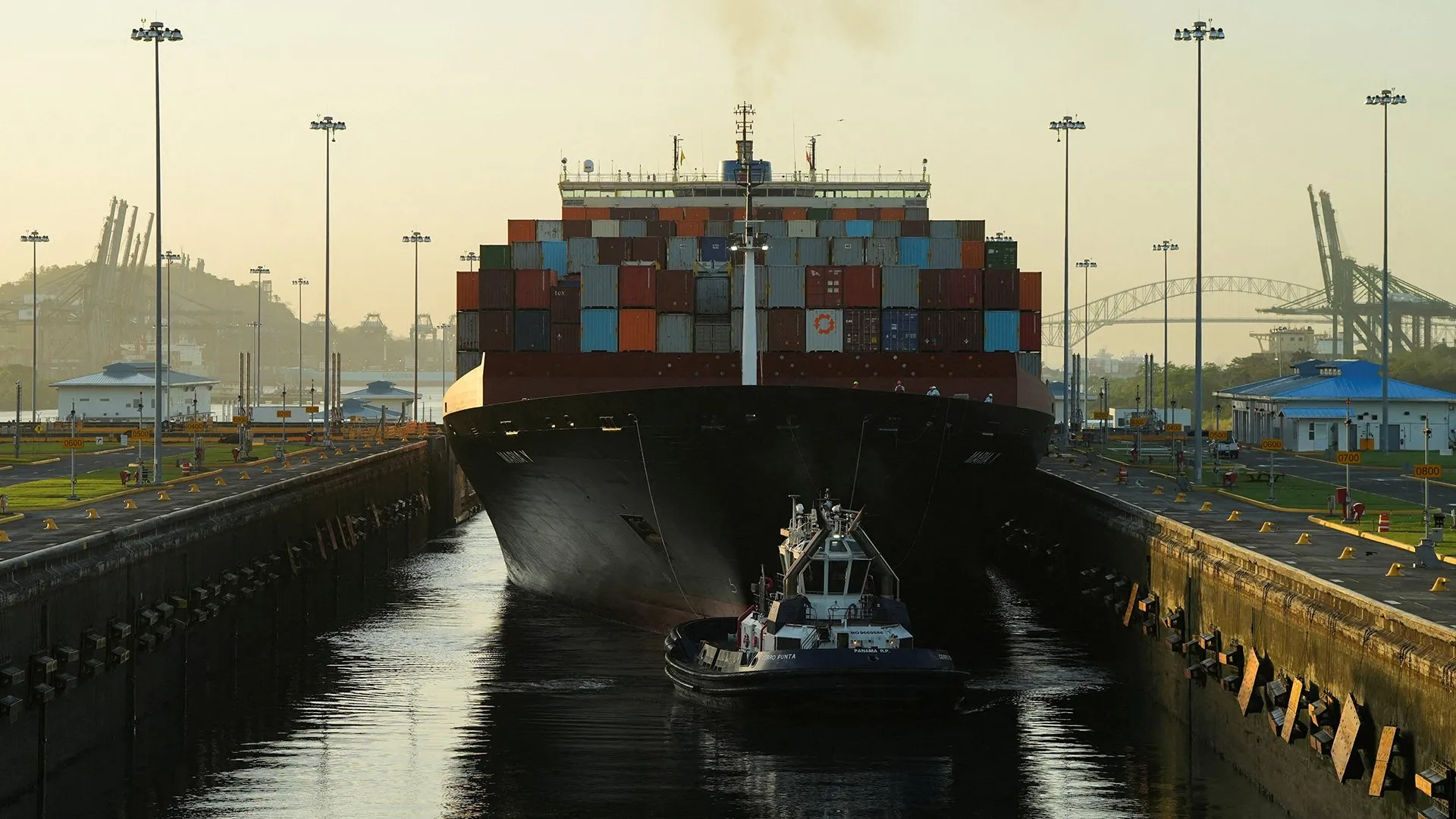
While President Pezeshkian and some other senior figures advocate for a diplomatic resolution with Washington, a short-term agreement appears unlikely, even as discussions continue with Oman and other mediators regarding shipping arrangements through the Strait of Hormuz. As authorities prepare for potential further conflict over this strategic waterway and other issues, the Iranian people continue to bear the brunt of the economic fallout.
Ladan, 28, who works an office job in Tehran and also runs an online shop selling jewelry on Instagram, exemplifies the constant struggle for financial stability. She noted that after closing over a dozen online sales in a week, her profit was less than $11. Despite living with her parents and not paying rent, she finds it impossible to afford even the cheapest domestic vehicle, known as the “chariot of death” due to its low safety standards, which costs up to 10 billion rials ($5,350). “I’m so sick and tired of everything. But even though I live with my parents and don’t have to pay rent, I can’t even buy myself a Pride because, at the end of the day, I’m earning in rials,” she laments, underscoring the profound impact of the economic crisis on individual aspirations and daily life.