US Sanctions Target ICC Officials Amid Independence Concerns
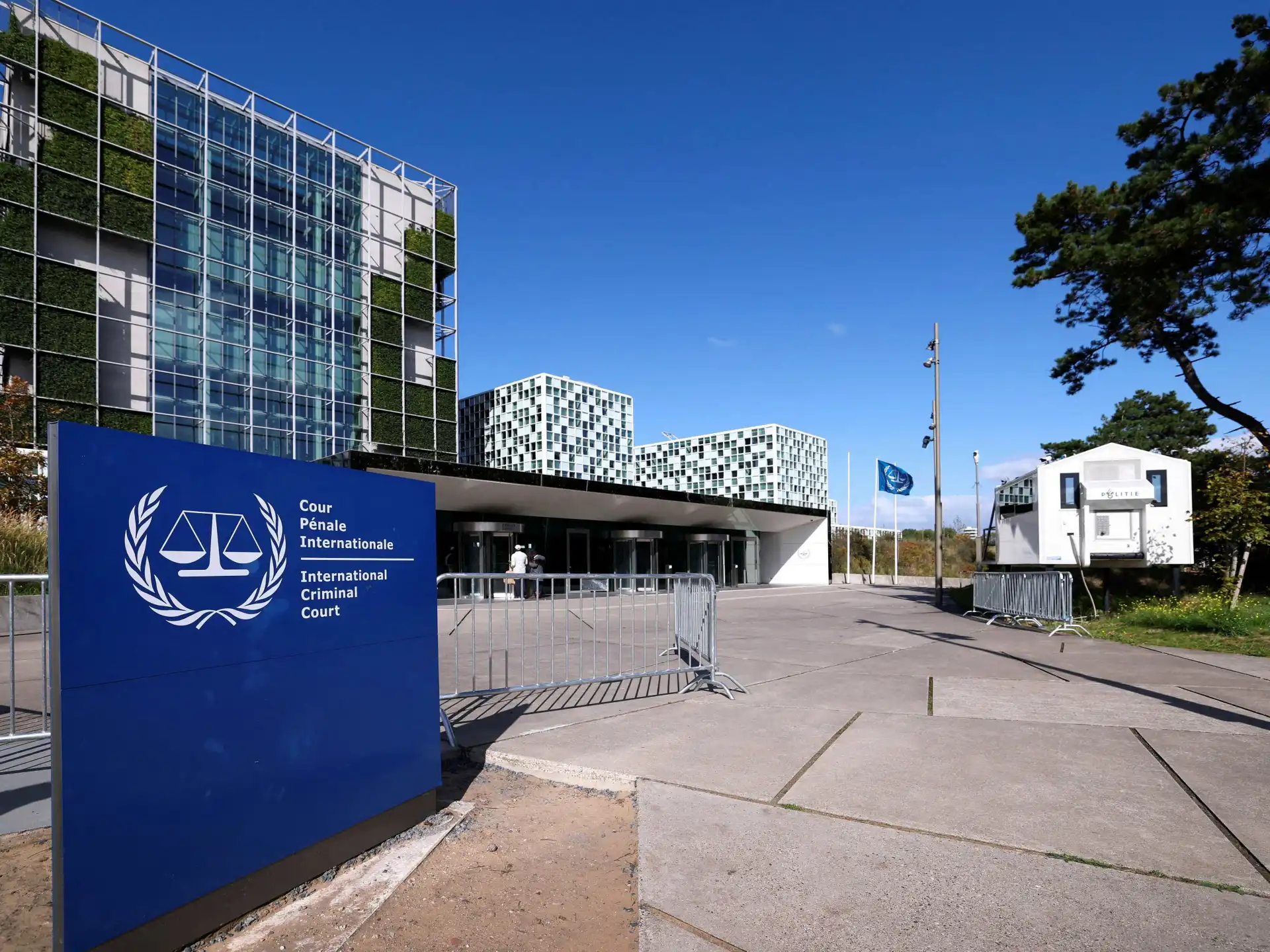
The International Criminal Court (ICC) has voiced strong disapproval following the Trump administration's imposition of sanctions on its top officials. The court characterized these measures as a direct assault on its independence and its capacity to function as an impartial judicial body. This development marks a significant escalation in the ongoing tension between Washington and The Hague-based institution, which is mandated to prosecute individuals for the most severe international crimes.
On Wednesday, the ICC issued a statement condemning the US actions, which specifically targeted ICC President Tomoko Akane and senior trial lawyer Abdoulaye Seye. The Trump administration justified these sanctions by alleging that the ICC is a "corrupt and fatally politicized body." The court, however, firmly rejected these accusations, asserting that such measures, when directed at judges, prosecutors, and staff, fundamentally undermine the principles of the rule of law and the international legal order.
Background to the Sanctions
The recent sanctions build upon previous punitive measures imposed by Washington against various ICC officials. These actions are largely seen as a response to the court's investigations into alleged war crimes, particularly those involving US allies such as Israel. The ICC's mandate allows it to act as a court of last resort when national legal systems are unable or unwilling to ensure accountability for grave atrocities.
Tomoko Akane, a Japanese judge, assumed the presidency of the ICC in March 2024, following her election. Abdoulaye Seye, a Senegalese lawyer, serves as a senior trial lawyer within the court. Both individuals are now subject to US sanctions, which typically involve restrictions on travel to the United States and limitations on accessing the US financial system.
International Reactions and Support for the ICC
The US sanctions have drawn criticism from several international partners and human rights organizations. Japan, a close ally of the US and the largest financial contributor to the ICC, expressed its strong objection to the sanctions. Toshihiro Kitamura, the press secretary for Japan's Ministry of Foreign Affairs, reiterated Japan's consistent support for the ICC's efforts to prosecute and punish serious international crimes and uphold the rule of law.
Similarly, the European Union publicly rallied behind Akane and other ICC officials. Ursula von der Leyen, chief of the European Commission, and Antonio Costa, head of the European Council, both released statements via social media, affirming their unwavering support for Akane. They emphasized that ICC officials must be permitted to operate independently, free from external pressures or interference, to effectively carry out their judicial duties.
US Justification and ICC's Rebuttal
US Secretary of State Marco Rubio defended the sanctions, claiming that the targeted individuals had directly participated in the ICC's efforts to investigate, arrest, detain, or prosecute officials whose governments had not consented to the court's jurisdiction. However, Rubio did not provide specific examples to substantiate these claims.
In its rebuttal, the ICC stated that threatening judicial actors for upholding the law jeopardizes the entire international legal framework. The court underscored its critical role, established in 2002, in addressing the most heinous crimes when national mechanisms fail to deliver justice.
Broader Context of US-ICC Tensions
The Trump administration's campaign against the ICC has been multifaceted. In 2024, the ICC issued an arrest warrant for Israeli Prime Minister Benjamin Netanyahu in connection with the conflict in Gaza, further intensifying US opposition. Last month, Washington launched a diplomatic initiative urging its partners to withdraw from the ICC, accusing the court of posing a threat to US citizens. Chad and Venezuela have already announced their intentions to withdraw, a move that the ICC has expressed concern about, suggesting it undermines the collective pursuit of global justice.
It is noteworthy that while the US signed the Rome Statute, the foundational treaty of the ICC, it never ratified it. Consequently, the US is not a member state of the court, a position shared by Israel and Russia.
Legal Challenges and Precedents
The US sanctions have also faced legal challenges domestically. Four prominent human rights organizations, including Human Rights Watch, filed a lawsuit against then-President Donald Trump in a New York court. The lawsuit argued that the sanctions impede the ability of war crime victims to seek justice through the ICC.
The current situation echoes a similar international dispute involving the ICC. In 2023, the court issued an arrest warrant for Russian President Vladimir Putin in relation to the conflict in Ukraine. In response, Moscow issued its own arrest warrants for several senior ICC officials, including President Akane, demonstrating a pattern of state actors challenging the court's authority and independence.