Devastating Earthquake Strikes Indonesia
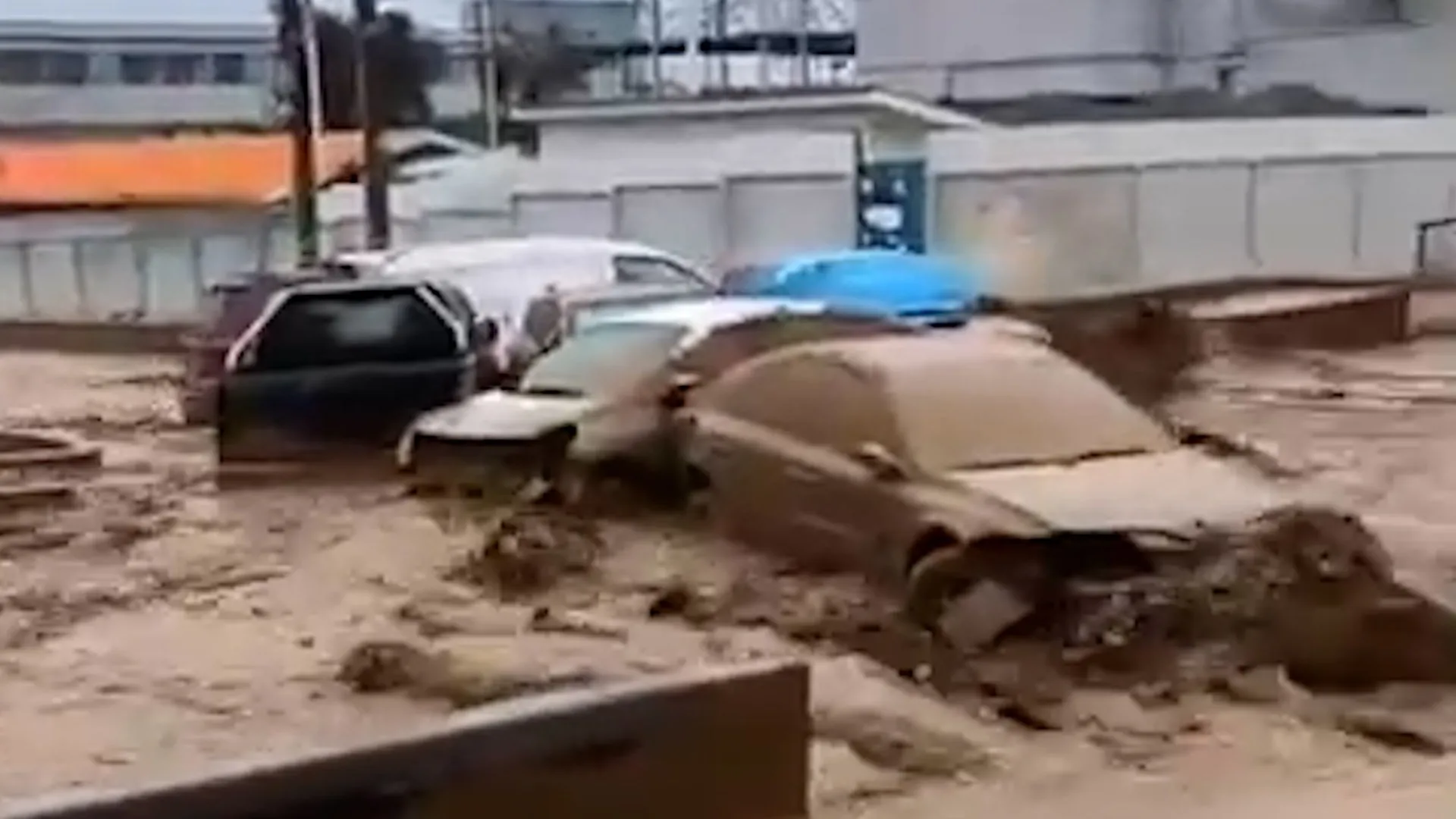
A substantial 7.7-magnitude earthquake recently rocked parts of Indonesia, leaving a trail of destruction and widespread disruption in its wake. The seismic event, which occurred on August 16, 2026, has had a profound impact on local infrastructure and communities, particularly affecting healthcare services in the immediate aftermath. The earthquake's intensity led to considerable damage to buildings and critical facilities, necessitating emergency responses and a rapid reassessment of local capabilities to manage the unfolding crisis.
The tremors were powerful enough to compromise the structural integrity of various buildings, including key public services. The immediate consequence has been a significant challenge for emergency responders and healthcare providers who are working tirelessly to address the needs of those affected. The scale of the damage has underscored the vulnerability of certain regions to natural disasters and the critical importance of resilient infrastructure and robust emergency preparedness plans.
Ruteng General Hospital Adapts to Crisis Conditions
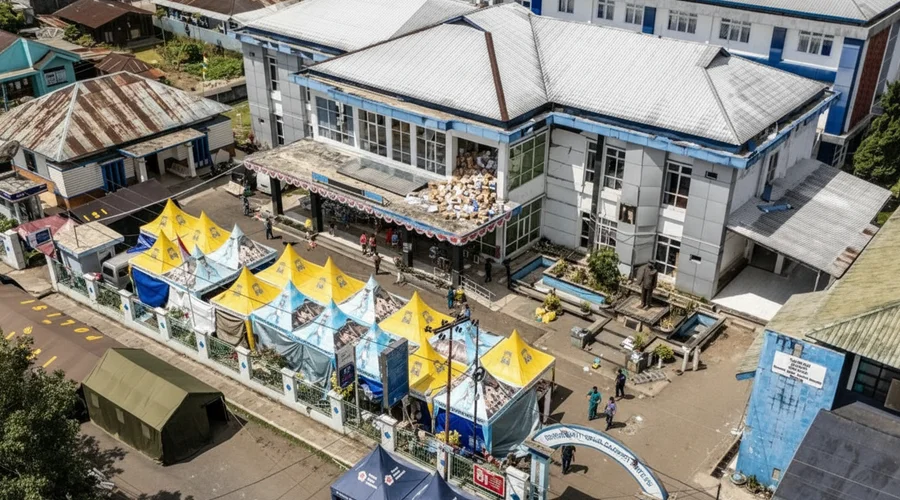
Among the facilities severely impacted by the earthquake was Ruteng General Hospital, a crucial healthcare institution serving a large population. The hospital’s main structures sustained considerable damage, rendering parts of the building unsafe for patient care. This situation presented an immediate and critical challenge: how to continue providing essential medical services to a population already reeling from the disaster, without a fully operational facility.
In response to the structural damage, hospital staff and emergency personnel swiftly implemented contingency measures. Patients were evacuated from the compromised buildings and transferred to makeshift treatment areas established outside the hospital. These temporary facilities primarily consist of large tents, which have been erected to serve as temporary wards, emergency rooms, and outpatient clinics. This rapid adaptation highlights the dedication and resourcefulness of the healthcare workers on the ground, who are committed to maintaining continuity of care under extremely challenging circumstances.
A healthcare worker at Ruteng General Hospital documented the scene, capturing footage of patients receiving medical attention in these improvised tent facilities. The video, which has been widely circulated, provides a stark visual representation of the post-earthquake realities faced by medical professionals and patients alike. It shows doctors and nurses attending to individuals in an open-air environment, underscoring the extraordinary efforts being made to manage the health crisis.
Humanitarian Impact and Displacement
Beyond the immediate damage to infrastructure, the earthquake has had a tragic human toll. Reports indicate that more than 50 individuals have lost their lives as a direct result of the seismic activity. This loss of life represents a profound tragedy for the affected communities and adds to the immense sorrow and challenges faced by the nation. Search and rescue operations are ongoing in some areas, with hopes of finding survivors, though the window for such discoveries narrows with each passing hour.
Furthermore, the earthquake has led to the displacement of thousands of residents. Homes have been destroyed or rendered uninhabitable, forcing countless families to seek refuge in temporary shelters or with relatives in unaffected areas. The displacement crisis creates a myriad of secondary challenges, including ensuring access to clean water, sanitation, food, and ongoing medical care for those who have lost everything. Humanitarian organizations and government agencies are mobilizing resources to provide aid and support to these displaced populations, focusing on immediate needs such as shelter, food distribution, and psychological support.
The long-term recovery efforts will undoubtedly be extensive, requiring significant investment in rebuilding infrastructure, restoring livelihoods, and providing sustained support to communities. The Indonesian government, with the assistance of international aid organizations, will face the monumental task of reconstruction and rehabilitation. This includes not only rebuilding homes and public facilities but also addressing the psychological trauma experienced by survivors and ensuring that affected regions can return to a semblance of normalcy as quickly as possible. The resilience of the Indonesian people will be crucial in overcoming this latest natural disaster and embarking on the path to recovery.