Israeli Forces Demolish Homes in Southern Lebanon
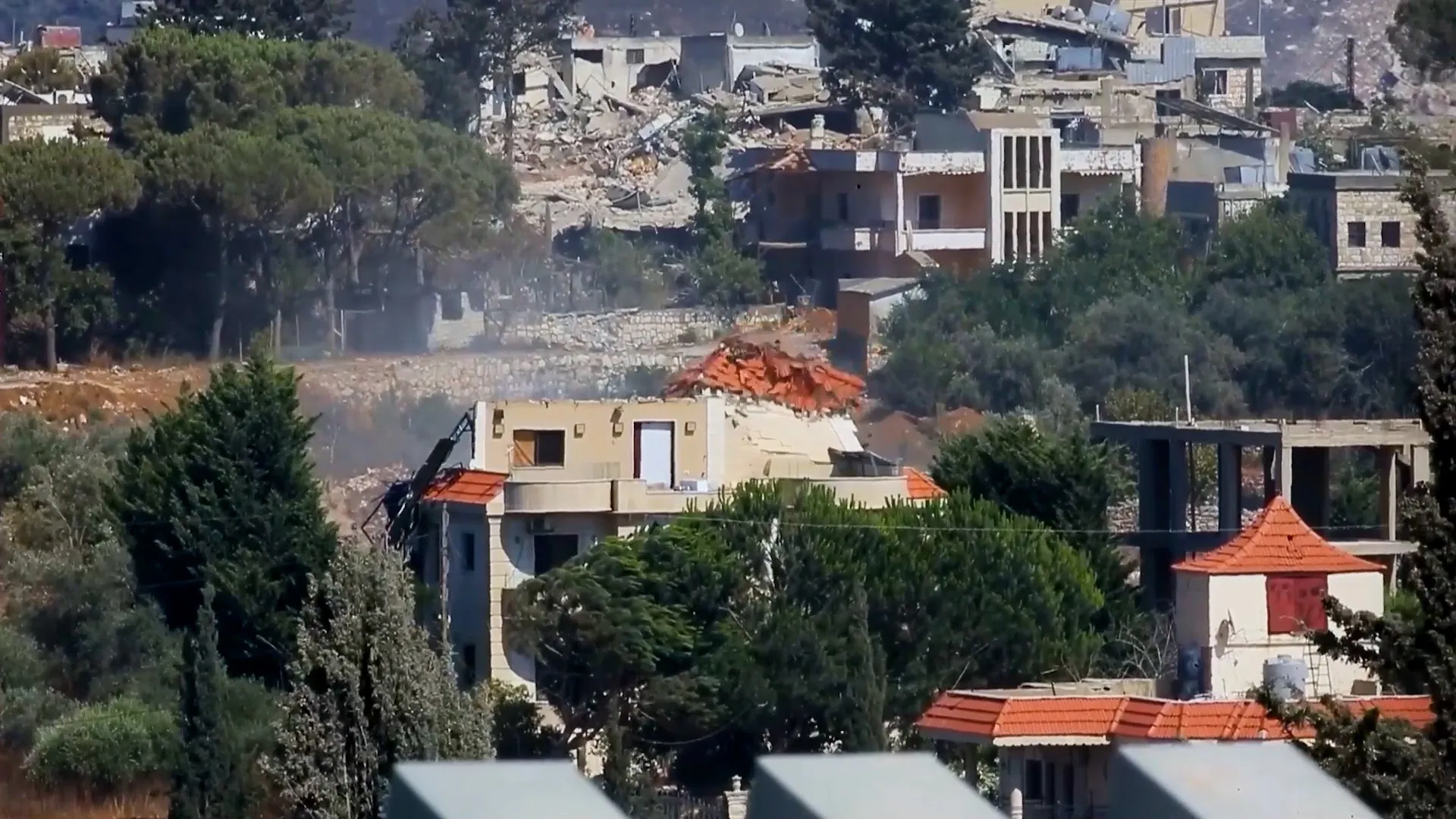
In a developing situation in southern Lebanon, residents of the villages of Zawtar al-Sharqiyah and Zawtar al-Gharbiyah have witnessed the demolition of their homes by Israeli earthmovers. This action by Israeli forces reportedly occurred as tanks advanced through the area, creating a scene of significant distress among the local population.
Context of the Demolitions
The demolitions are taking place within a broader context of ongoing tensions and military activities in the region. The specific villages affected, Zawtar al-Sharqiyah and Zawtar al-Gharbiyah, are located in a sensitive border area that has historically been a flashpoint for conflict. The presence of Israeli earthmovers and advancing tanks suggests a coordinated military operation, the objectives of which have not been fully clarified by official statements at the time of reporting.
Such actions often lead to significant displacement and hardship for the affected communities. The destruction of homes not only deprives individuals and families of shelter but also can erase generational ties to land and community, contributing to long-term social and economic challenges. Humanitarian organizations typically express deep concern over such events, highlighting the impact on civilian populations and the potential for exacerbating existing crises.
Diplomatic Efforts Amidst Military Actions
These military actions are unfolding despite reports of ongoing diplomatic efforts aimed at de-escalation. Specifically, US-mediated negotiations between Lebanon and Israel have been cited as being in progress. The simultaneous occurrence of military operations and diplomatic talks underscores the complex and often contradictory nature of relations in the region.
The continuation of military actions during periods of negotiation can complicate peace efforts and erode trust between parties. It often raises questions about the sincerity of commitments to diplomatic resolutions when ground realities are being altered through force.
International observers and political analysts frequently point out that military actions during negotiations can be perceived as an attempt to create new facts on the ground, potentially influencing the outcome of talks or strengthening one party's bargaining position. Conversely, some may argue that such actions are a response to perceived threats or a necessary measure for security, even while diplomatic channels remain open.
Historical Background of the Region
Southern Lebanon has a long and complex history marked by conflict and military engagements involving various actors, including Israel, Lebanon, and non-state armed groups. The border region has been a site of numerous skirmishes, invasions, and occupations over several decades. This history has led to a deeply ingrained sense of insecurity and volatility among the local populace.
The demarcation of the border itself has been a contentious issue, leading to disputes over land and sovereignty. These historical grievances and unresolved territorial issues often fuel present-day conflicts and make any resolution particularly challenging. The international community has frequently called for adherence to international law and resolutions pertaining to the region, emphasizing the protection of civilians and the need for peaceful conflict resolution.
Impact on Local Communities
The immediate impact on the residents of Zawtar al-Sharqiyah and Zawtar al-Gharbiyah is profound. Witnessing the destruction of one's home is an emotionally devastating experience, often leading to trauma, displacement, and the loss of personal belongings and livelihoods. The psychological toll on individuals and families, particularly children, can be long-lasting.
Furthermore, such events can lead to a humanitarian crisis, requiring immediate assistance for shelter, food, and medical care. The disruption of daily life, including access to education and work, can have cascading effects on the well-being and stability of the entire community. Aid agencies typically mobilize resources to assist affected populations, but the scale of need can often overwhelm available resources.
The international community will likely monitor these developments closely, with calls for restraint and adherence to international humanitarian law. The situation in southern Lebanon remains fluid, with potential for further developments on both the military and diplomatic fronts.