Assassination of Eastern Libyan Military Intelligence Chief
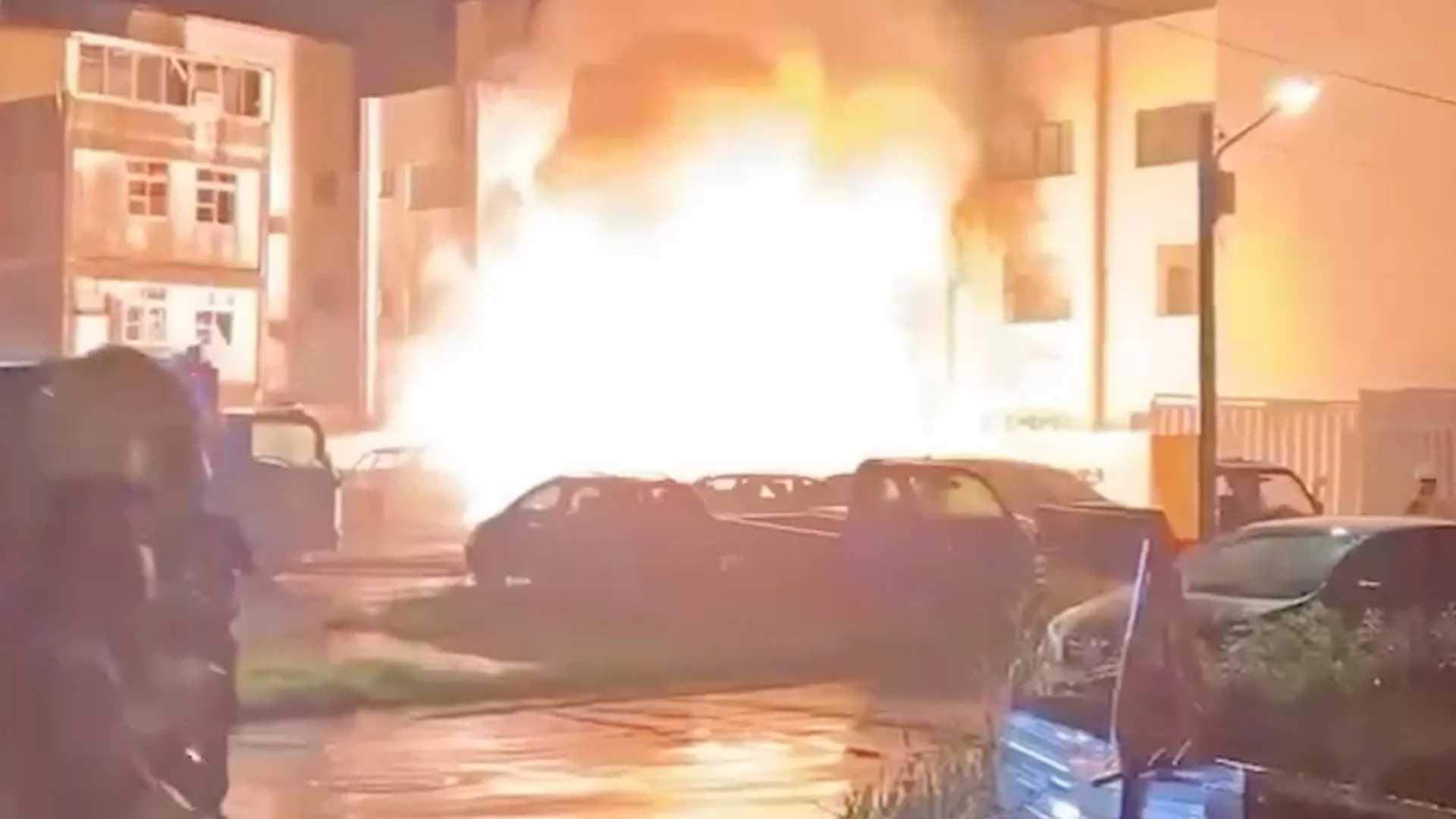
Major-General Fawzi al-Mansouri, who served as the head of military intelligence for the self-proclaimed Libyan National Army (LNA) in eastern Libya, was killed in a car bomb explosion. The incident occurred as he was entering his vehicle outside his residence in Benghazi's Hawari district late on Monday. Security sources indicated that an improvised explosive device was responsible for the blast, leading to his immediate death.
Condemnation and Investigation Pledged
Osama Saad Hammad, the Prime Minister of the eastern Libyan government, swiftly condemned the assassination, characterizing it as a "treacherous terrorist act." In a statement released on Tuesday, Hammad expressed deep sorrow over the loss and vowed to initiate a thorough investigation to "uncover the circumstances of the crime." He emphasized that such acts of violence would not be tolerated within Libya, stating, "There is no place in Libya for anyone who raises arms against the state, and no cover for anyone who plans, executes, finances, or incites assassination and terrorism crimes." This strong condemnation reflects the eastern administration's resolve to address the persistent security threats that undermine stability in the region.
Background of Major-General Fawzi al-Mansouri
Major-General Fawzi al-Mansouri had been appointed to the critical position of director of military intelligence in Benghazi in 2024. His role involved overseeing intelligence operations for the LNA, a powerful military faction that controls significant portions of eastern and southern Libya. His appointment was part of ongoing efforts by the eastern authorities to consolidate their security apparatus and maintain order within their sphere of influence. His sudden death represents a significant blow to the LNA's leadership structure and raises questions about the perpetrators and their motivations.
Persistent Instability in Libya
The assassination of Major-General al-Mansouri serves as a stark reminder of the volatile security landscape that continues to define Libya. The nation has been embroiled in a protracted period of division and instability since the 2011 NATO-backed uprising that led to the overthrow and death of longtime leader Muammar Gaddafi. This event plunged Libya into a complex struggle, with rival administrations and numerous armed groups vying for control and influence across the country.
Despite a ceasefire agreement reached in 2020, which largely halted major military confrontations, the underlying political fragmentation and the presence of various armed factions continue to pose substantial challenges to national reconciliation and stability. The ceasefire aimed to pave the way for a unified government and a more peaceful future, but its effectiveness has been hampered by deep-seated rivalries and a lack of trust among the competing entities.
The Divided Administrations
Libya formally split in 2014, establishing two primary rival administrations. The eastern part of the country, where Major-General al-Mansouri operated, is largely controlled by the LNA, led by the influential military commander Khalifa Haftar. This faction is aligned with authorities based in the eastern city of Benghazi. Their governance extends over much of eastern and southern Libya, asserting a distinct political and military presence.
Conversely, the internationally recognized Government of National Unity (GNU) is based in the capital city of Tripoli and holds sway over much of western Libya. The GNU's legitimacy is recognized by the international community, and it is tasked with the challenging mission of uniting the country and preparing for national elections. However, its authority is frequently challenged by other armed groups and political figures, even within its own territory, highlighting the complexities of governance in post-Gaddafi Libya.
Implications of the Attack
The car bomb attack on Major-General al-Mansouri could have several implications for the already fragile security situation in Libya. It may signal an escalation of covert operations or a resurgence of extremist elements that seek to destabilize the eastern region. Such high-profile assassinations often lead to heightened tensions and could potentially trigger retaliatory actions, further complicating efforts to achieve a lasting peace. The incident also underscores the vulnerability of even high-ranking officials to targeted violence, suggesting that security challenges extend beyond conventional warfare to encompass asymmetric threats.
The killing calls for renewed international attention and support for efforts to bolster security institutions and promote political dialogue. Without a unified and effective security apparatus, the cycle of violence and instability is likely to persist, undermining any progress made towards national reconciliation and democratic governance. The investigation into al-Mansouri's death will be crucial in identifying the perpetrators and understanding the broader context of this significant act of violence within Libya's ongoing conflict.