The Critical Role of a Common Object
In the Gaza Strip, an item as ordinary as a lighter has transformed from a readily available convenience into a precious commodity, its scarcity dictating the rhythm of daily life for countless families. What was once an inexpensive and disposable tool is now diligently guarded, repaired, and shared, underscoring the severe challenges faced by residents in obtaining even the most fundamental necessities.
Daily Life Hinges on a Flame
For individuals like Rabab Deifallah, a 46-year-old mother of five, a single, well-worn lighter represents the starting point for nearly all household activities. Displaced and reliant on firewood due to widespread shortages of cooking gas and escalating fuel costs, Rabab uses fire to bake bread, warm water for her children, prepare meals, and brew tea. She meticulously cares for her lighter, which has undergone multiple repairs by her son since new ones became exceedingly difficult to acquire following the conflict that began in October 2023.
Before the conflict, lighters were so commonplace that Rabab recalls purchasing three for a mere one shekel (approximately $0.33). Today, a new lighter can command prices between $27 and $33. The last repair to her existing lighter cost $12, a sum that highlights the difficult choices families face. "Should I spend that amount on a lighter, or should I buy a bag of flour?" she questioned, articulating the stark economic realities confronting Gazans. Given the limited financial resources, many families prioritize food, often leading to a single lighter being circulated among several households within a community.
There are days when Rabab is unable to locate a lighter at all, forcing her family to consume cold meals or seek a spark from neighbors who have managed to ignite a fire. This often involves sending a piece of cardboard to a neighbor to transfer a flame, or, if fortunate, using a neighbor's oven to cook for her family. The lighter, therefore, is not merely a tool but a symbol of survival, enabling access to hot food, bread, and warm water.
The Broader Impact of Scarcity
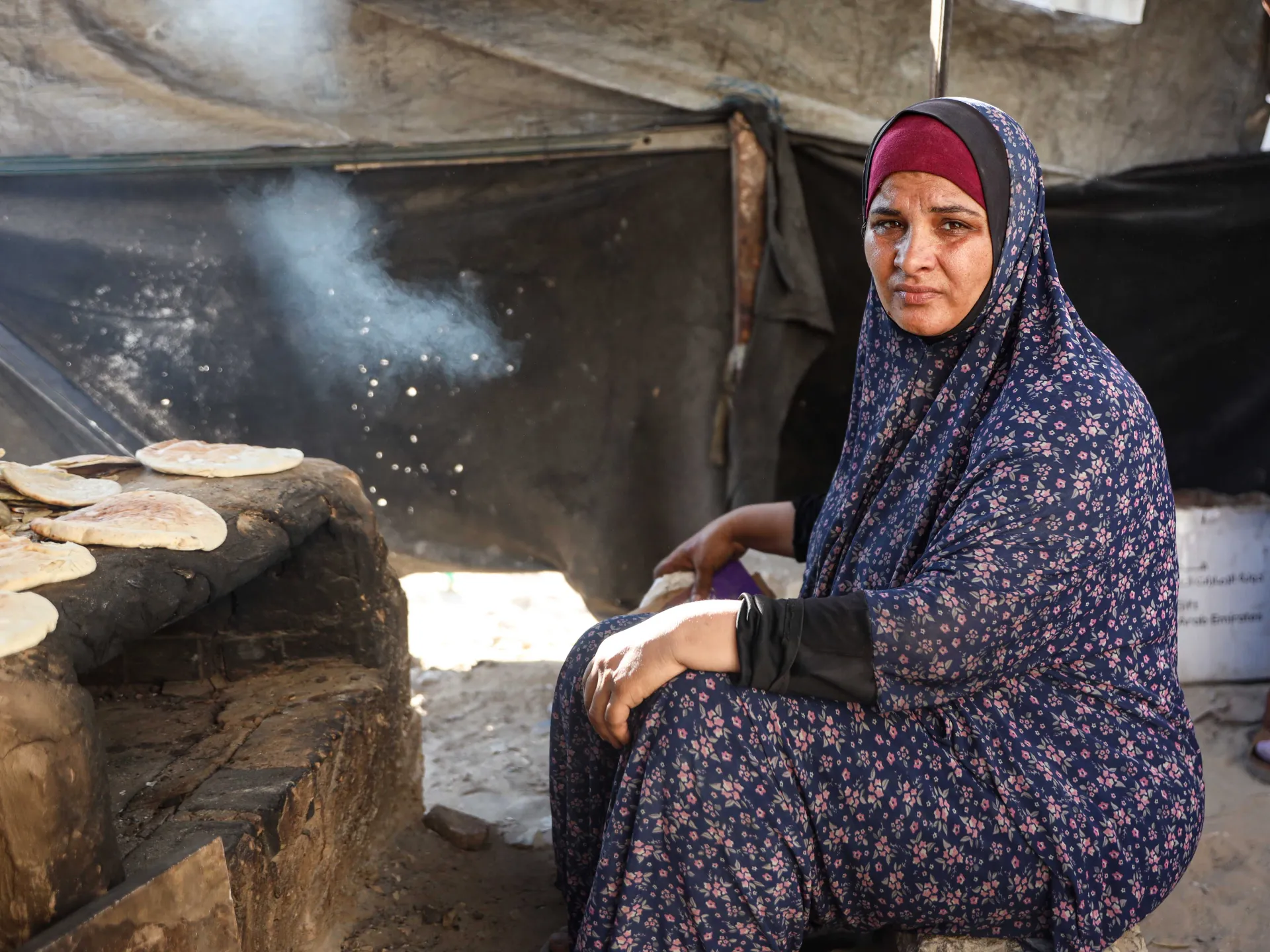
Hasnaa Mansour, 43, displaced from Jabalia refugee camp, encounters similar obstacles. Her family's financial situation has deteriorated significantly, leading her to bake and sell food from a clay oven to support her six children. Like Rabab, Hasnaa has repeatedly mended her lighter, as purchasing a new one is beyond her means. The shortage of cooking gas exacerbates her predicament; while gas requires only a small spark, her clay oven demands a substantial flame. She described spending hours attempting to light her oven, sometimes sending her young daughter in search of a neighbor with a burning fire, often fruitlessly.
The United Nations Office for the Coordination of Humanitarian Affairs (OCHA) has documented how restrictions on the movement of goods and border closures have contributed to critical shortages and inflationary pressures on essential supplies in Gaza. Items classified as "dual-use" by Israeli authorities, which include materials that could potentially serve both civilian and military purposes, face additional hurdles in gaining entry. The Gaza Chamber of Commerce and Industry reported in June that restrictions continue to impede the flow of goods, with the average number of trucks entering Gaza daily significantly below pre-conflict levels. The chamber specifically noted the emergence of lighter repair as a new trade during the conflict, confirming that lighters are among the items restricted from entering Gaza, thus explaining their high value and the incentive for repair over replacement.
A New Economy of Repair and Sharing
The scarcity has also fostered a unique form of community support and a nascent repair economy. Shadi Abu Shamlah, a displaced father residing at Al-Karmel School, illustrates this by explaining how a single lighter might serve multiple tents within the school. "The whole school here… you wouldn’t find more than four lighters," he stated. These few lighters are constantly on the move, passed from one family to another as they attempt to cook, heat water, or prepare hot beverages. "The lighter today is the backbone of life. If you have a lighter in your tent, you’re okay. If you don’t have one, you’re stuck," he emphasized, highlighting how even the simplest desires, like a cup of tea or warm milk for a child, depend on fire.
The challenges extend to lighter repair itself. Abu Shamlah noted that a lighter flint can cost 25 to 30 shekels ($8–$10), and people have resorted to refilling lighters using gas from larger cylinders, a practice that sometimes results in burns. Tamer Al-Shawish, a 24-year-old father of two, exemplifies the adaptation of the local workforce. Formerly a driver, Tamer has established a small stall near Al Karmel school camp, where he now repairs lighters. This profession, he explained, was entirely new before the conflict. "The war has forced us into jobs and work we never knew before," he shared. "Before the war, no one needed to repair a lighter. They were cheap and available. When the gas ran out, we would throw it away and buy another one." Tamer salvages parts from damaged lighters to extend the life of others, recognizing that even an old, broken lighter now holds significant value in Gaza.