Remembering Those Who Documented the Unimaginable
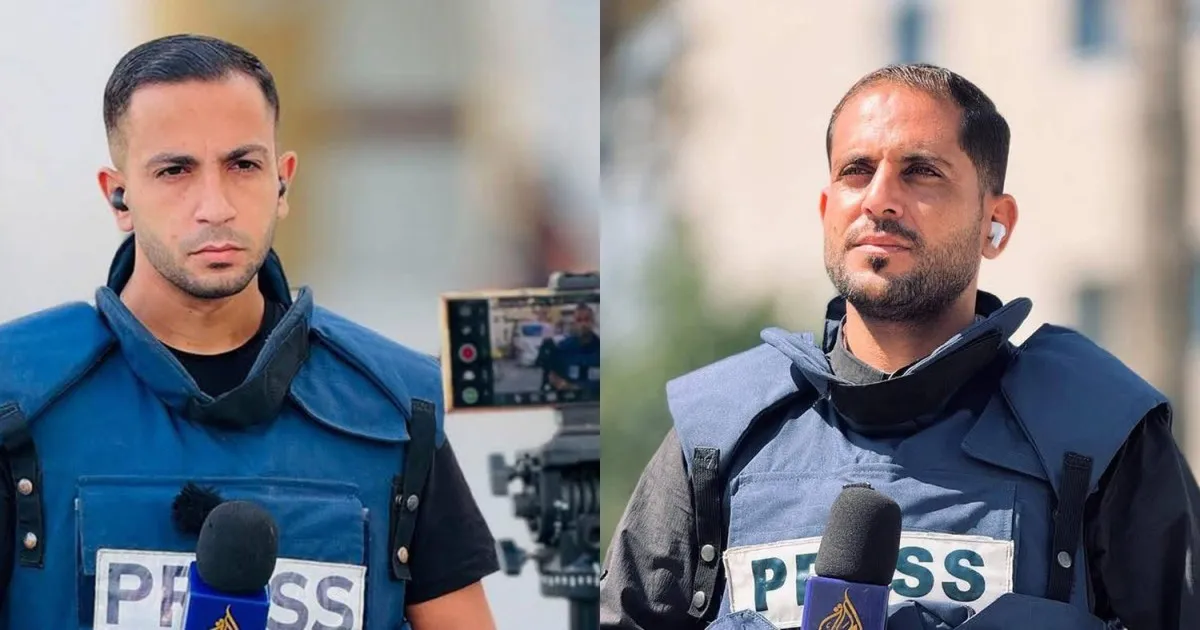
The journalistic community in Gaza has faced unprecedented challenges, demonstrating an extraordinary level of dedication and resilience. This reflection honors the memory of those who have lost their lives in the pursuit of truth, including Anas al-Sharif, Mohammed Qreiqeh, and many others, whose courage and commitment have set a new standard for reporting in conflict zones.
On the first anniversary of the passing of Anas al-Sharif, along with his colleagues Mohammed Qreiqeh, Mohammed Noufal, Ibrahim Zaher, Moamen Aliwa, and Mohammed al-Khalidi, we are reminded of their unwavering resolve. These journalists were tragically killed in an Israeli air strike that targeted an Al Jazeera tent outside al-Shifa Hospital. Their deaths underscore the immense risks inherent in their profession, particularly in regions marked by intense conflict.
A New Paradigm in Journalism
The circumstances under which these journalists operated have forged a unique model of reporting. This model emerged during a period characterized by a complete blockade of the Gaza Strip, cutting off essential services like electricity, water, food, and medical supplies for over 2.4 million inhabitants. Foreign journalists were largely prevented from entering the region, leaving local reporters as the primary, and often sole, source of information for the outside world. This created an environment where journalists not only reported on the unfolding crisis but also experienced its full impact firsthand, becoming displaced and losing their homes and offices alongside the general population.
The targeting of journalists and their families became a disturbing pattern. Cases like that of Ismail al-Ghoul, targeted while working in the field, or Ahmed Mansour of Palestine Today, whose shelter was hit by fire, illustrate the direct dangers faced. Mohammed Abu Hatab, a correspondent for Palestine TV, was killed along with 11 family members shortly after returning home. Even those seeking medical attention were not spared, as seen with photojournalist Hassan Aslih, who was killed in a shelling incident at Nasser Medical Complex. A subsequent attack on the same hospital resulted in further casualties, including five journalists working with Al Jazeera and other international outlets: Mohammad Salama, Mariam Abu Daqqa, Hussam al-Masri, Moaz Abu Taha, and Ahmed Abu Aziz. This incident, involving a double-tap strike that first targeted a Reuters camera setup and then responders, highlighted a deliberate disregard for the safety of media personnel.
The Perilous Pursuit of Truth
Even reporting missions coordinated with the Israeli army and the International Committee of the Red Cross offered no guarantee of safety. A stark example is the attack on veteran cameraman Samer Abudaqa and his colleague. After reporting on an air strike on a school in Khan Younis, they were hit by an Israeli missile. While one survived with injuries, Samer bled for six hours awaiting approval for ambulances, ultimately perishing along with three accompanying Palestinian Civil Defence paramedics. These incidents have led many journalists to believe that their press vests and insignia, meant for protection, instead mark them as targets.
The international community's response, or lack thereof, to these events has been a source of profound anguish for those on the ground. The silence, or insufficient condemnation, has been interpreted as tacit approval, emboldening further attacks. With approximately 265 journalists killed and a quarter of a million people becoming casualties of the conflict, critical questions arise about the ability of journalists to continue their work while enduring immense personal suffering and the constant threat of death.
The true answers will only be known by those who lived through this experience, were burned by its fire, and paid a heavy price. This is an experience that cameras and words fail to document.
This experience, while difficult to fully capture in words or images, holds significant professional and humanitarian importance. It serves as a testament to exceptional resilience and can inspire journalists globally, particularly those entering the profession. The prolonged conflicts in the region have cultivated a generation of highly skilled and experienced journalists capable of working under extreme pressure. More importantly, it has fostered a deep conviction in the humanitarian and moral duty of their profession—to convey human issues, concerns, and the profound injustices faced by people in the region.
A Profound Commitment
The personal stakes for these journalists are extraordinarily high. Their families, homes, and entire lives are intertwined with the very conflict they report on. This unique psychological state, where the line between life and death blurs, has instilled in them a profound determination. When confronted with the inevitability of mortality, many choose to dedicate their remaining moments to the work they believe in, embracing its professionalism, humanity, and impact.
One must consider the implications if this level of dedication and sacrifice had not existed. The scale and nature of the conflict, including crimes against journalists themselves, might have remained largely unknown. While the cost has been steep, it has not been in vain. Attempts to silence these journalists and isolate the region from the outside world have ultimately failed. Instead, their unwavering efforts have illuminated the truth for a significant portion of the global community: that what is transpiring is a crime against humanity and a genocide inflicted upon a besieged populace.
The surviving journalists continue their mission with remarkable professionalism. For them, and for the victims, the paramount objective is to halt these crimes. This requires accountability and punishment for the perpetrators to prevent further atrocities. Without justice, the sacrifices of individuals like Anas, Mohammed, Ismail, Samer, and countless others will have been in vain, and the world will bear the dual burden of silence—first regarding the crime, and then regarding the lack of accountability for those who commit it.