The Unseen Toll: Autism and Conflict in Gaza
The protracted conflict in Gaza has inflicted widespread devastation, extending its reach to the most vulnerable populations. Among those profoundly affected are children with autism spectrum disorder (ASD), whose lives have been upended by the continuous violence, destruction of infrastructure, and severe disruption of essential services. The predictable environments crucial for their well-being have been obliterated, leading to significant behavioral and developmental setbacks.
Disrupted Routines and Sensory Overload
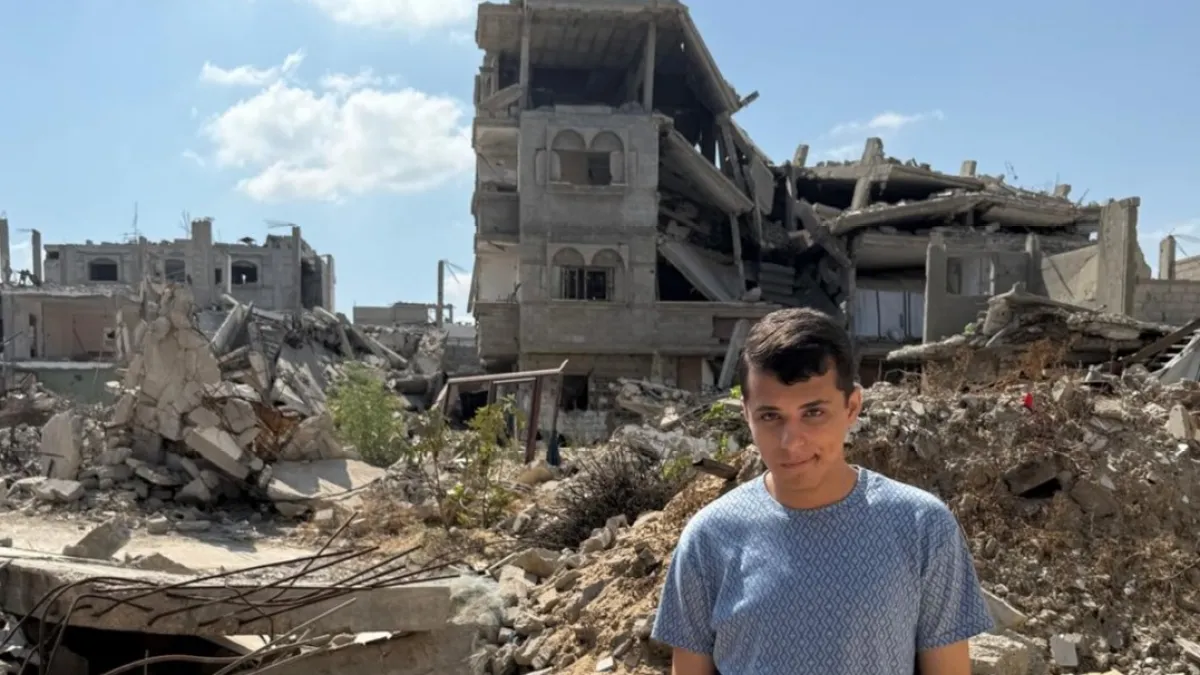
For individuals with autism, routine and a stable environment are fundamental to their sense of security and ability to function. The incessant bombardment and displacement in Gaza have shattered these critical elements, plunging autistic children into a state of chronic sensory overload and anxiety. Ahmed Hatem al-Mahabeel, a 16-year-old from Khan Younis, exemplifies this struggle. He frequently presses his hand to his chin, a self-soothing mechanism triggered by the persistent memory of explosions. Ahmed's mother, Umm Ahmed, recounts how the war destroyed his familiar spaces—his bedroom, school, and sports academy—all integral to his pre-war progress.
Before the conflict escalated in October 2023, Ahmed was thriving, excelling in school with specialist support, participating in a football academy, and even memorizing the Quran. His mother describes his previous independence, stating, “Ahmed used to go to the mosque and the club on his own, making excellent progress, but the war destroyed everything we built.” The sudden, loud noises of explosions trigger severe panic attacks, causing him to cover his ears and sway. In extreme cases of terror, he resorts to self-harm, hitting his head against the ground in an attempt to escape the overwhelming sounds.
The physical toll has been equally severe. Ahmed suffered from a ruptured appendix due to severe malnutrition and protein deficiency. Complications arising from food shortages led to a wound infection, necessitating a second surgical operation. Today, Ahmed remains confined indoors, a stark contrast to his formerly active life, with his family desperately hoping for an opportunity for him to receive treatment and rehabilitation abroad.
Behavioral Regression and Psychological Impact
Psychological specialist Diaa Abu Aoun, who previously worked with Ahmed, explains the profound impact of the conflict on autistic children. “A child with autism relies entirely on routine and calm to feel safe,” Abu Aoun notes. Living in makeshift tents amidst constant explosions subjects their brains to a sensory shock they are ill-equipped to process. This trauma manifests as insomnia, digestive issues, and severe screaming fits, where children lose complete control.
In Nuseirat camp, 19-year-old Muneer al-Haj exhibits similar regressive behaviors. The sound of airstrikes causes him to clench his fists, pace frantically, and make sounds to block out the noise. Before the war, Muneer was on a promising rehabilitation path, attending school, demonstrating strong communication skills, and displaying artistic talent. However, the onset of shelling and critical medication shortages have led to a severe decline in his condition, marked by screaming fits and seizure-like symptoms.
Muneer's father, who prefers to be called Abu Muneer, describes the devastating change: “He used to communicate and express himself clearly, but the war consumed everything… this safe space dissolved facing hardship and fear.” Muneer now asks urgent, unanswerable questions and experiences severe attacks if his anxieties are not resolved. Despite his parents' attempts to reassure him, Muneer understands the gravity of his situation, expressing his anguish by saying, “I am without shelter or a homeland.” Abu Muneer highlights the overwhelming challenge: “The absence of a safe space and the depletion of sedatives turned our attempts to calm our children into individual efforts fraught with fear and confusion.”
Critical Shortages in Medication and Support Services
The interruption of specialized treatments poses an existential threat to dozens of autistic children in Gaza. Abu Aoun warns that the sudden cessation or reduction of psychiatric and anti-convulsant medications causes severe disruption in brain chemistry. When children are deprived of their prescribed doses, their nervous systems experience a severe rebound effect, leading to increased violent fits, acute convulsions, self-harm, and an inability to respond to behavioral therapies.
The scarcity of medicine and the collapse of specialized services have left autistic children without consistent treatment or viable alternatives. The World Health Organization reported that no rehabilitation equipment entered Gaza between May 2024 and April of the current year, and all existing facilities face severe operational constraints. The Palestine Center for Special Education was destroyed, and its former director tragically killed, forcing parents to assume increasingly demanding therapeutic roles without adequate support.
Reem Jarour, head of autism programs at Gaza’s Dolphins Association for Education and Community Development, underscores the critical need for predictability. “An autistic child cannot survive without a predictable ecosystem; routine is a neurological safety valve,” Jarour states. She laments the current situation: “What we witness today in Gaza is the total destruction of the behavioral foundations built over years. Sudden displacement turns environmental triggers into acute threats, leading to massive regression in linguistic and social skills.” The ongoing conflict continues to dismantle the very foundations of care and stability for Gaza's autistic children, leaving families in an increasingly desperate struggle.