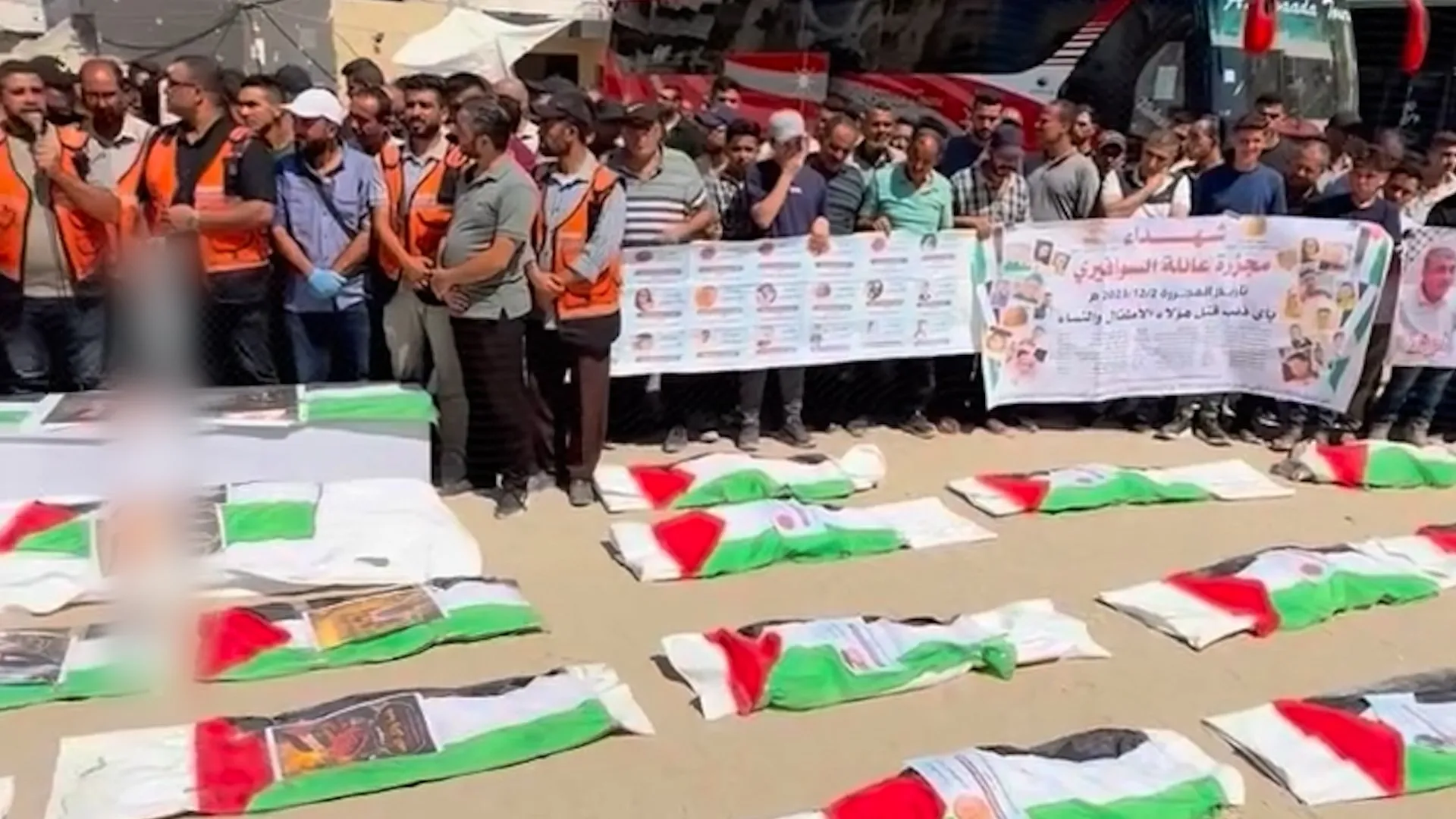
Funeral Held for Dozens of Palestinians Recovered from Ruins
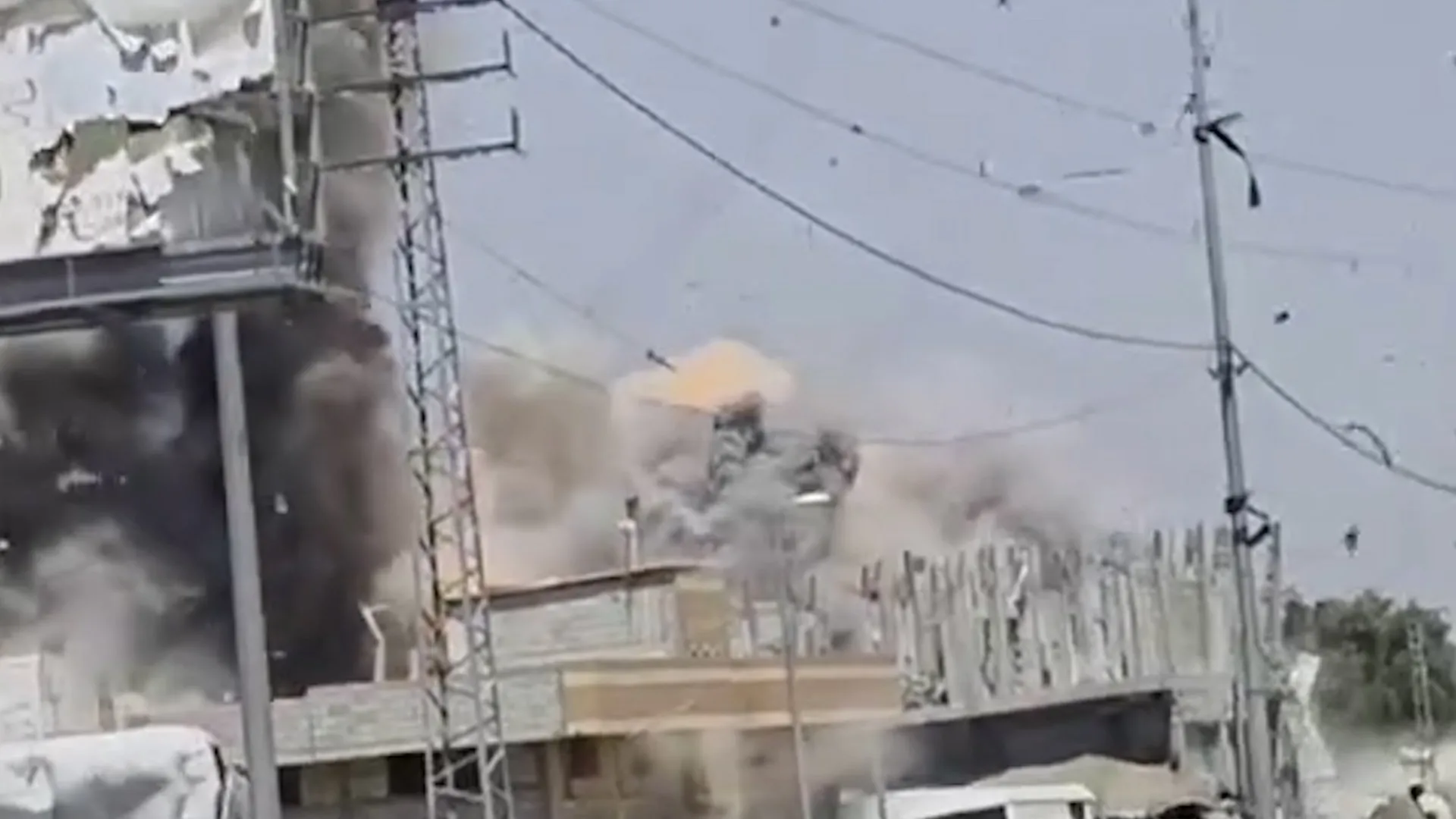
A solemn funeral ceremony took place in Gaza for 50 Palestinians whose bodies were retrieved from the rubble left behind by Israeli military strikes. The gathering marked yet another grim reminder of the ongoing humanitarian toll in the region, as communities continue to confront the devastating scale of destruction.
The recovery of the remains came after painstaking efforts to locate victims buried beneath collapsed structures. For many families, the retrieval of their loved ones offered a measure of closure following prolonged periods of uncertainty and grief. Mourners gathered to pay their respects in an atmosphere heavy with sorrow, as the scale of loss in Gaza continues to mount.
Heavy Machinery Remains Blocked Despite Ceasefire Terms
A critical obstacle compounding the recovery process is Israel's continued restriction on the entry of heavy machinery into Gaza. Such equipment is considered essential for clearing the enormous quantities of debris left by months of conflict. Without bulldozers, cranes, and other large-scale tools, rescue and recovery teams are severely limited in their capacity to reach victims who may still be trapped or whose bodies remain buried under collapsed structures.
The blockade of this machinery has drawn significant attention, particularly because its entry into Gaza was reportedly established as a condition within the ceasefire agreement. Critics argue that by preventing the equipment from crossing into the territory, one of the foundational requirements of the ceasefire deal is not being honored. The situation raises pressing questions about accountability and the implementation of agreements reached during negotiations.
The Human Cost of Delayed Debris Clearance
The consequences of the machinery blockade extend well beyond the immediate challenge of body recovery. Across Gaza, vast stretches of urban landscape have been reduced to rubble, leaving entire neighborhoods uninhabitable. Without the tools needed to systematically clear debris, the path toward rebuilding infrastructure, restoring housing, and resuming any semblance of normal life remains deeply uncertain.
Humanitarian organizations operating in the region have repeatedly highlighted the urgent need for access to appropriate equipment. The inability to move debris efficiently also poses significant public health risks, as decomposing remains and damaged sanitation infrastructure can accelerate the spread of disease in an already fragile environment.
- Heavy machinery such as cranes and bulldozers remains blocked from entering Gaza.
- Equipment access was reportedly a condition outlined in the ceasefire agreement.
- Without adequate tools, debris clearance and victim recovery are severely hampered.
- Public health risks are heightened due to decomposing remains and damaged infrastructure.
- Communities face prolonged displacement as rebuilding efforts cannot begin without clearance.
Ceasefire Conditions Under Scrutiny
The funeral for the 50 recovered Palestinians has renewed focus on whether the terms of the ceasefire are being fully respected by all parties involved. Ceasefire agreements typically carry obligations for all signatories, and the reported failure to allow heavy machinery into Gaza has prompted calls for greater oversight and enforcement of the deal's provisions.
International observers and human rights advocates have voiced concern over the practical implementation of the agreement. While a ceasefire may halt active hostilities, they argue that its humanitarian dimensions — including enabling recovery operations and preventing further civilian suffering — are equally important and must be upheld.
The recovery of victims from beneath rubble is not only a matter of dignity for the deceased and their families, but also a humanitarian imperative that requires the right tools and unobstructed access to be carried out effectively.
An Ongoing Crisis Far from Resolution
Gaza's situation remains deeply precarious. The combination of widespread physical destruction, restricted access to essential resources, and the continued psychological toll on survivors paints a picture of a population confronting extraordinary hardship. For the families who buried their loved ones during the recent funeral, the ceremony marked a moment of mourning within a broader context of unresolved crisis.
As the international community watches developments on the ground, pressure is mounting for clearer mechanisms to ensure that ceasefire obligations — including those related to humanitarian access and recovery operations — are implemented in practice, not just on paper. The fate of many more individuals who may still lie beneath Gaza's rubble depends, in large part, on whether those mechanisms can be put in place swiftly and effectively.
The recovery of 50 bodies and the subsequent funeral serve as a stark illustration of the human stakes involved in every aspect of conflict resolution — from the signing of agreements to their real-world enforcement.