Catastrophic Tremor Strikes Eastern Indonesia
An earthquake of substantial magnitude, recorded at 7.7, has caused widespread destruction and loss of life off the coast of Indonesia's Flores Island. The seismic event has left communities grappling with its aftermath, as emergency services and volunteer organizations mobilize to respond to the urgent crisis. The quake's epicenter, located in a region known for its tectonic activity, generated powerful tremors that were felt across a broad area, leading to immediate concerns for the safety and well-being of the inhabitants.
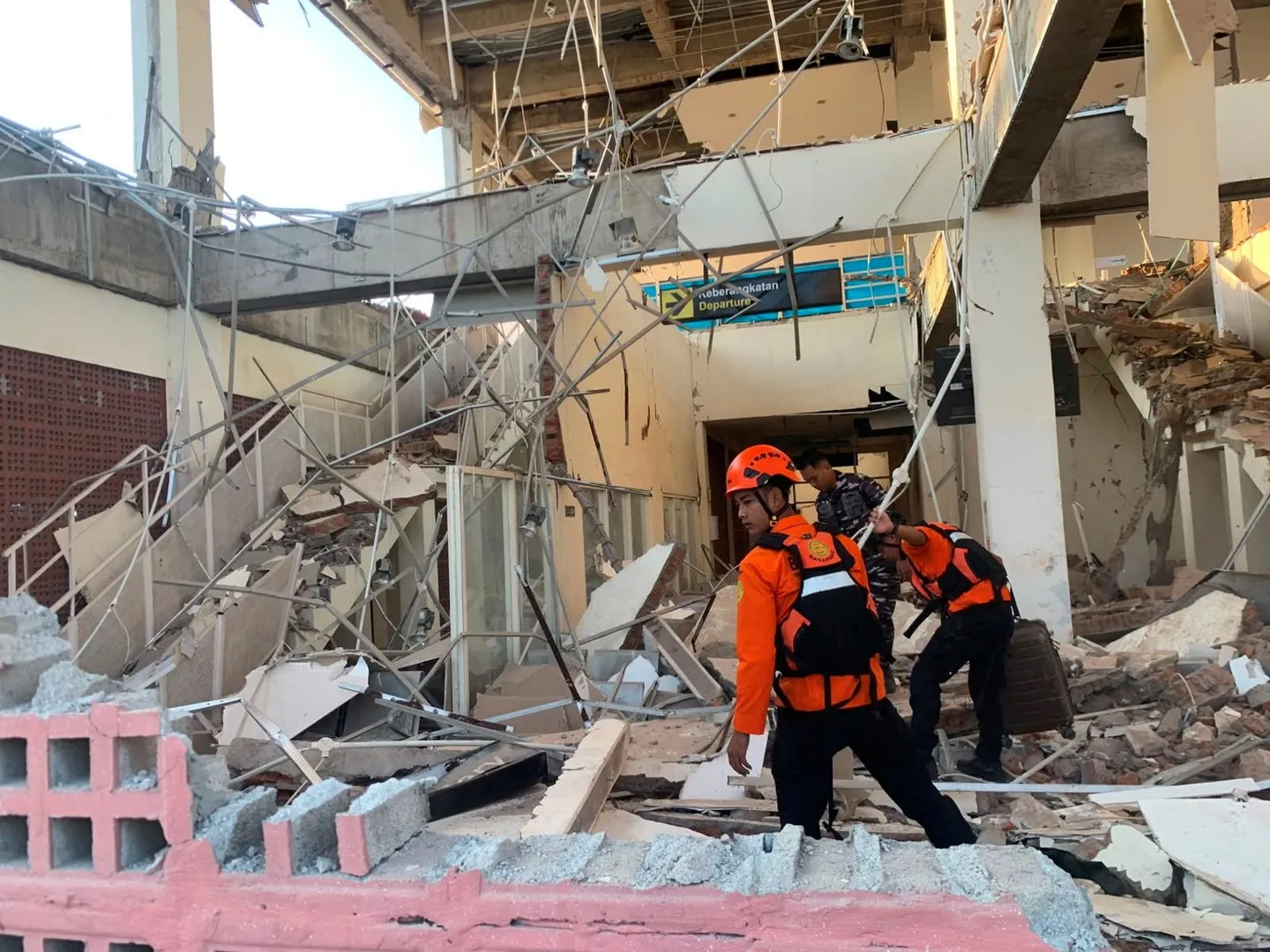
Initial reports confirm dozens of fatalities, a grim indicator of the earthquake's destructive power. As rescue teams navigate the challenging terrain, the death toll is unfortunately anticipated to rise. The immediate priority for responders is to locate and extract individuals trapped beneath rubble, provide urgent medical attention to the injured, and assess the full extent of the damage to infrastructure and homes. The sheer scale of the disaster necessitates a coordinated and robust humanitarian effort, involving both national and international aid organizations.
Rescue Efforts Hampered by Aftershocks and Inaccessibility
The arduous task of searching for survivors has been significantly complicated by a series of persistent aftershocks. These subsequent tremors, though generally of lesser magnitude than the initial quake, pose considerable risks to both rescue personnel and any remaining structures. The instability of damaged buildings and the potential for further collapses create hazardous conditions, slowing down the pace of operations and increasing the danger for those involved in the recovery efforts. Rescuers are working against the clock, knowing that every moment is critical in the search for life.
Moreover, many areas within the East Nusa Tenggara province, particularly those closest to the earthquake's epicenter, remain exceedingly difficult to access. Roads have been damaged or rendered impassable by landslides and debris, effectively isolating numerous communities. This isolation presents a significant logistical hurdle for the delivery of essential supplies, medical aid, and additional rescue personnel. Efforts are underway to clear critical transportation routes, but the rugged geography of the region further exacerbates these challenges. Helicopters and maritime vessels are being considered as alternative means of transport to reach the most cut-off areas, though weather conditions and the availability of such resources can be limiting factors.
Impact on Local Communities and Infrastructure
The 7.7 magnitude earthquake has inflicted a devastating blow to the local communities on Flores Island and the surrounding areas. Homes, schools, and critical infrastructure, including hospitals and communication networks, have sustained severe damage or have been completely destroyed. The disruption to essential services, such as electricity and clean water, adds another layer of complexity to the humanitarian response. Thousands of individuals have been displaced from their homes, seeking refuge in temporary shelters or with relatives in less affected areas. The psychological trauma experienced by survivors, many of whom have witnessed unimaginable destruction and loss, will require long-term support and care.
The economic repercussions of this disaster are also expected to be profound. Many livelihoods, particularly those dependent on agriculture, fishing, and tourism, have been severely impacted. The destruction of fishing boats, agricultural land, and tourist facilities will have lasting effects on the region's economy, necessitating substantial investment in reconstruction and recovery efforts. The Indonesian government, in conjunction with international partners, will need to develop comprehensive strategies to rebuild the affected areas and support the economic rehabilitation of the communities.
Long-Term Recovery and Preparedness
As the immediate crisis response continues, attention will inevitably turn to the long-term recovery and reconstruction phases. This will involve not only rebuilding physical infrastructure but also addressing the social and economic needs of the affected population. There is a critical need for sustainable housing solutions, the restoration of essential services, and the provision of ongoing psychological support to help communities heal and rebuild their lives. Furthermore, this catastrophic event underscores the importance of enhancing earthquake preparedness and resilience in seismically active regions like Indonesia.
Investing in robust early warning systems, enforcing stringent building codes, and educating the public on earthquake safety protocols are crucial steps to mitigate the impact of future seismic events. The lessons learned from this disaster will be invaluable in informing future disaster risk reduction strategies. The international community's support, both in terms of immediate humanitarian aid and long-term development assistance, will be vital in helping Flores Island and East Nusa Tenggara recover from this devastating natural catastrophe and build a more resilient future.