A Life Defined by Rescue and Loss
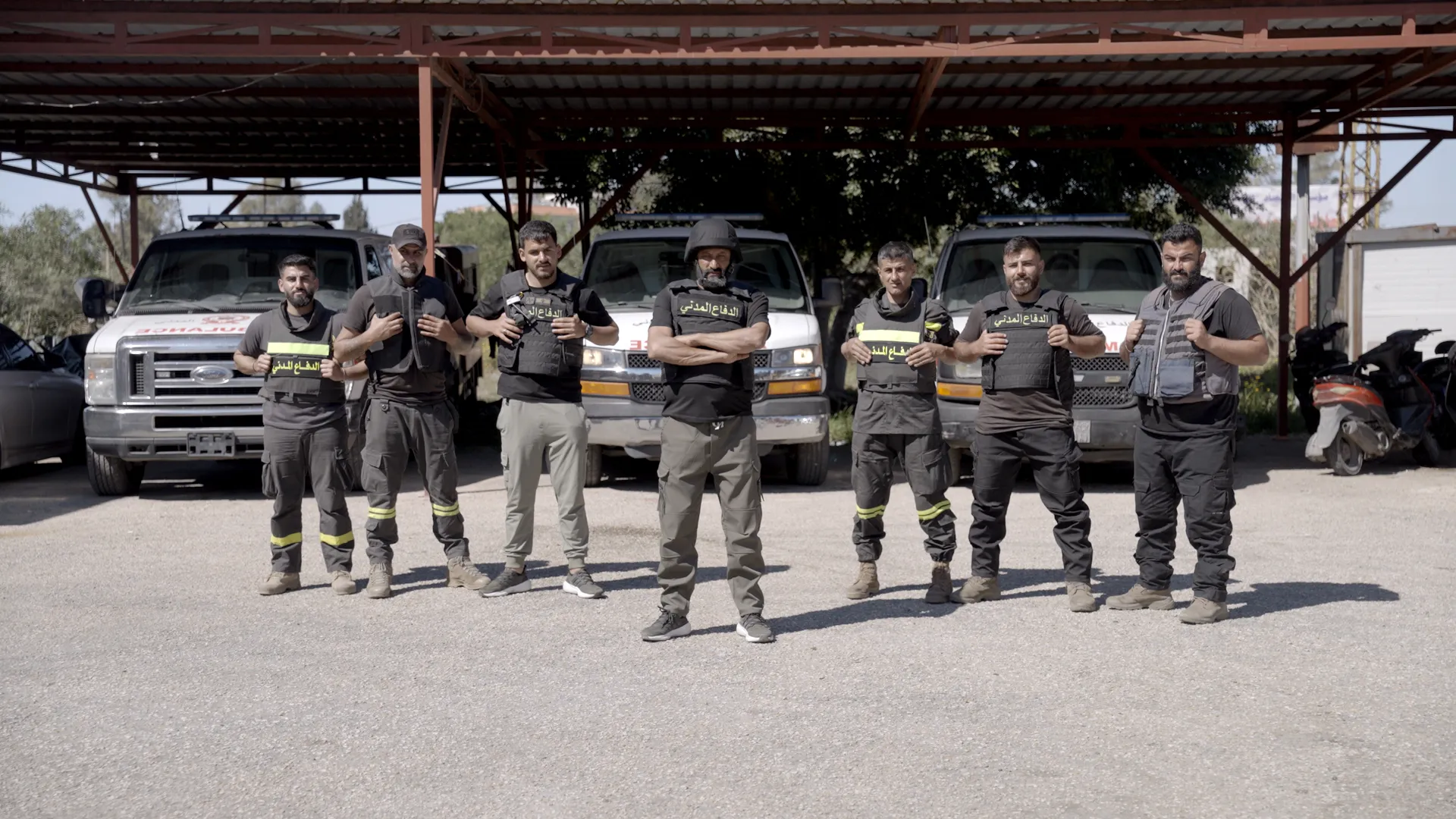
Ali Safiuddin, who leads the Civil Defence in Tyre, a prominent city in southern Lebanon, embodies a life inextricably linked with the cycles of life and death inherent in his role as a first responder. Despite official ceasefires, the region, particularly along the 'Yellow Line'—an area Israel designates as a security zone—continues to experience frequent bombardments and shelling. Safiuddin characterizes the current situation as 'relatively normal,' signifying that while Tyre itself is largely spared direct attacks, the conflict persists on its periphery, extending into a military zone approximately 10 kilometers (6 miles) deep within Lebanese territory.
The Weight of Past Tragedies
Safiuddin's career, dedicated to extricating civilians from the debris of countless Israeli airstrikes, has instilled in him a profound familiarity with loss. A deeply personal tragedy during the 2006 conflict between Israel and Hezbollah continues to shape his resolve. Believing it to be a sanctuary, he brought his wife and one-year-old daughter, Lynn, to a shelter beneath the Civil Defence center. However, the building was struck, resulting in Lynn's death. This harrowing event, while an enduring source of grief, also fuels his relentless pursuit of saving others.
"I feel that my daughter, my daughter's soul, is with me," Safiuddin shared, reflecting on the profound connection that motivates his work.
His commitment is further exemplified by a rescue following the devastating 2020 Beirut port explosion, where a massive ammonium nitrate stockpile detonated, claiming at least 218 lives and injuring thousands. He recounted saving a 14-year-old girl after 18 hours of arduous manual labor beneath three collapsed floors. "If my daughter were alive, she would have been her age," he mused, adding, "This girl remained alive, so I feel that I'm bringing back my daughter's soul."
A Family's Shared Mission
The nexus between Safiuddin's professional and personal life is further highlighted by his 18-year-old son, Husein, who now serves alongside him in the Civil Defence. Beyond his biological son, Safiuddin views all the men under his command as his 'sons.'
"Every one of them spent years with me. They lived beside me. I was not merely their station chief, I was their father," he explained, underscoring the deep bonds forged through shared experiences and peril.
Safiuddin hopes that a new short film, 'The Ones We Couldn't Save,' will illuminate the harsh realities of the conflict in Lebanon to a global audience. "Especially with the assassination of my colleagues, it really showcases the brutality of the war and what Israel is perpetrating – the killing of children, the elderly," he stated, aiming to bring greater awareness to the human cost of the ongoing hostilities.
The Perilous Reality for First Responders
While a recent decrease in Israeli attacks north of the 'Yellow Line' has offered some respite, the dangers remain palpable. On April 28, a 'double-tap' strike in Majdal Zoun claimed the lives of three of Safiuddin's team members: Hussein Ghadbouni, Hussein Sati, and Hadi Daher. This tragic incident underscores a disturbing pattern, with the UN reporting at least 135 first responders and healthcare workers killed since early March. These strikes often occur as responders arrive at attack sites, making them potential secondary targets.
This grim reality has necessitated significant operational adjustments. Safiuddin described a revised protocol: "One ambulance enters the site of the raid, and a second ambulance waits outside, in case something happens to the team." The loss of Hadi Daher, who had volunteered since age 15, deeply affected Safiuddin, highlighting the profound personal impact of these casualties. "The loss of this colleague – they are like family, it really affected me," he lamented, emphasizing the close-knit nature of his team.
"We have a pact – if anyone dies before the other, we will keep them alive through our mission," he affirmed, speaking to the enduring spirit and mutual commitment within the Civil Defence.
Preparing for an Uncertain Future
Recalling the targeting of the Civil Defence headquarters during the 2006 conflict, Safiuddin is utilizing the current period of relative calm to fortify the center and prepare for potential future assaults. He dedicates much of his time to rehabilitating the facility and fostering camaraderie among his colleagues.
"Whatever the circumstances, we're ready with what tools we have – we are ready to do anything. I hope that things will not escalate, but whenever duty calls, we will fulfill it," he asserted.
Despite the ever-present dangers, Safiuddin expresses a remarkable lack of personal fear, though he harbors concerns for those under his charge. "I no longer have any fear. I have no fear. I fear for those with me. But I have no fear of war. If I give up on this work, it's like I'm giving up on my daughter," he concluded, underscoring the profound motivation that drives his unwavering dedication to his crucial, perilous mission.