Renewed Violence Grips Southern Lebanon
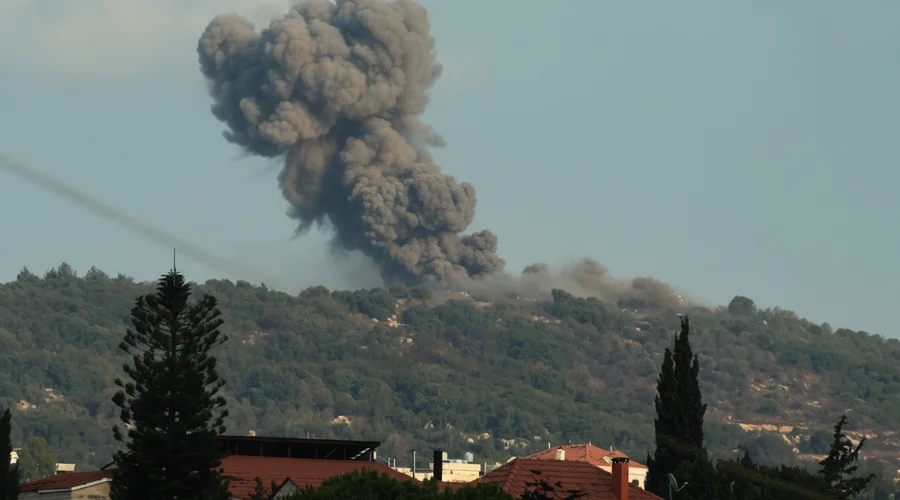
Southern Lebanon has recently experienced a surge in violence, with Israeli airstrikes leading to the deaths of at least nine individuals and injuring 12 others. This marks the most significant escalation since agreements in June aimed at de-escalating hostilities had led to a period of relative calm. The intensified attacks have targeted various towns and villages, raising concerns about regional stability.
Fatalities and Civilian Casualties Reported
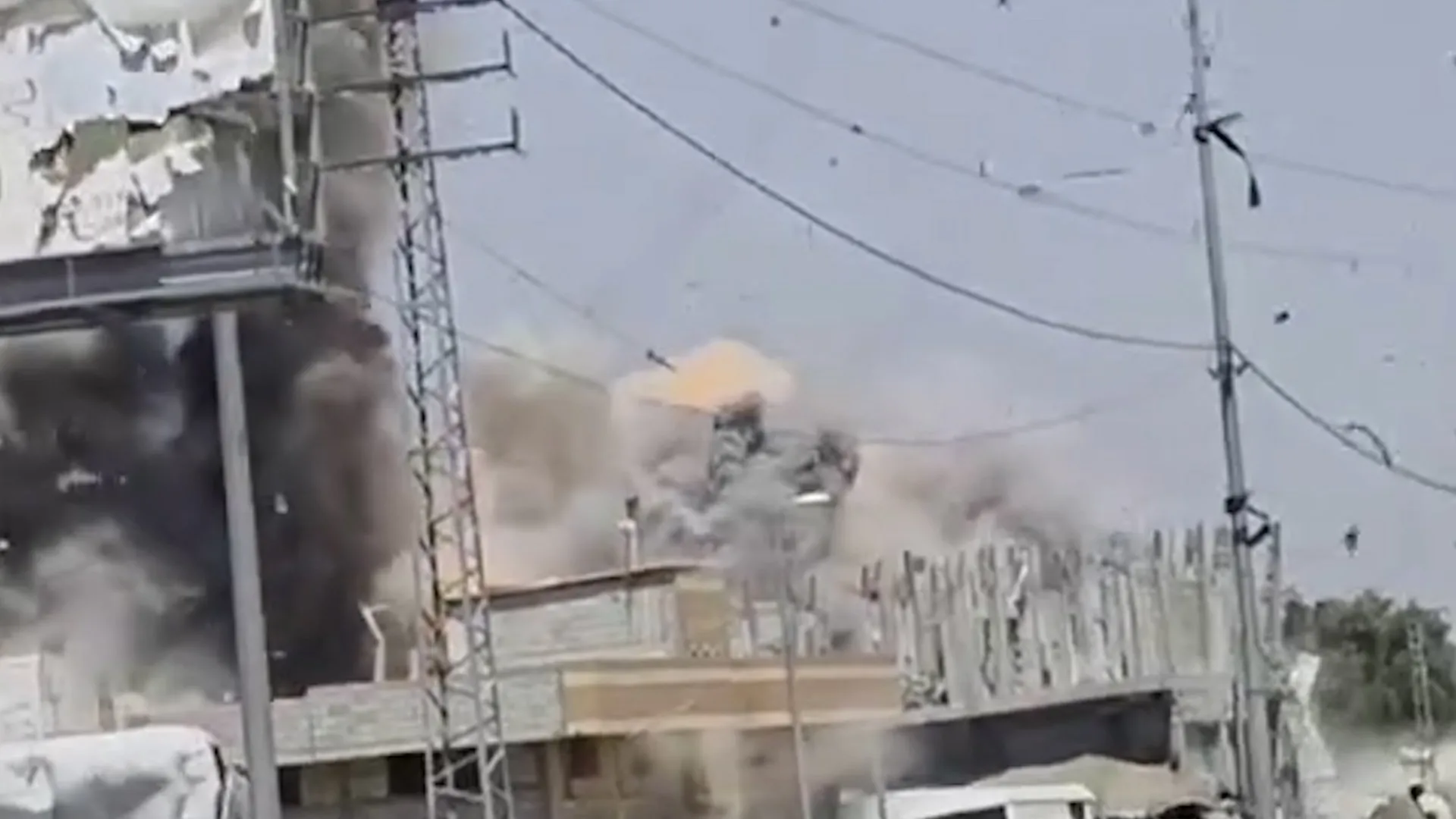
Lebanon's National News Agency (NNA) reported that seven people were killed and three wounded in an early Saturday strike on a house in the outskirts of Ansar, a town within the Nabatieh district. The strike completely destroyed the building. Reports from the ground, including those from Al Jazeera's Ali Hashem in Nabatieh, indicated that children and members of a single family were among the deceased. Hashem noted that the area, previously perceived as safe, has now become a site of fear and continued Israeli strikes and demolitions.
Later, Lebanon's Health Ministry confirmed two additional deaths and nine injuries in an Israeli strike on Deir al-Zahrani, also in the Nabatieh district, bringing the total reported fatalities to at least nine. The nature of these attacks has ignited widespread condemnation from Lebanese leadership.
Israeli Justification and Lebanese Rebuttal
The Israeli military stated that its operations targeted what it described as Hezbollah infrastructure in Nabatieh and Ansar. These actions were presented as a response to an incident involving Israeli soldiers on the Ali al-Taher Ridge. However, Lebanese Prime Minister Nawaf Salam vehemently rejected this explanation, characterizing the escalation in Nabatieh, Ansar, Deir al-Zahrani, and surrounding areas as "extremely dangerous."
Salam asserted that the seven individuals killed in the Ansar strike were not "military infrastructure," and specifically highlighted that the women and children among the casualties were not military targets. He emphasized that the responsibility for addressing any military infrastructure on Lebanese territory, "if it exists," lies solely with the Lebanese state, through its army and institutions. Salam argued that the alleged presence of such infrastructure does not grant Israel the right to violate Lebanese sovereignty or endanger civilians, urging an immediate halt to the escalation.
Similarly, Lebanese President Joseph Aoun condemned the ongoing Israeli attacks, particularly in Nabatieh and its vicinity. He described them as repeated breaches of the framework agreement, the work of the military coordination group, and international laws designed to protect civilians. Aoun stated that the attacks, which claimed an entire family in Ansar, serve as "a clear message" challenging the ongoing negotiation process and U.S. efforts to implement the existing agreement.
Widespread Strikes and Border Demolitions
The NNA detailed an intensification of Israeli attacks early Saturday, including a series of airstrikes on the Ali al-Taher Ridge near Nabatieh al-Fawqa. Additional strikes reportedly hit areas near a teachers' training center and a Husseini club in Nabatieh al-Fawqa. The valley between Ansar and Zarariyeh was also targeted, an area described by NNA as the deepest penetration into southern Lebanon since the ceasefire two months prior.
Closer to the border, Israeli forces were reported to have destroyed several homes in Bint Jbeil and opened heavy machinegun fire towards residences along the Kounine-Saf al-Hawa road. An Israeli air attack also struck the al-Mashaa neighborhood in al-Mansouri shortly before midnight. Al Jazeera's Ali Hashem further reported continued Israeli demolitions in border areas, leading to extensive destruction in some villages, including damage to graveyards and historic sites. Hashem concluded that the situation is "escalating day by day," with diplomatic efforts yet to yield tangible results on the ground.
Fragile Agreements and Persistent Tensions
The recent surge in violence follows a period of decreased hostilities since a United States-Iran memorandum of understanding in June and a subsequent U.S.-sponsored framework agreement between Lebanon and Israel. However, Israeli attacks and demolitions have persisted in the south. The framework agreement outlines the disarmament of Hezbollah, the gradual withdrawal of Israeli forces, and the deployment of the Lebanese army in southern Lebanon.
Amidst these developments, Hezbollah leader Naim Qassem criticized Lebanese authorities on Friday for their handling of the framework's implementation. He accused them of pressuring the Lebanese army while Israeli attacks continued, questioning why the authorities would accept what he termed the "ongoing humiliation" of the army and its exposure to bombardment and Israeli pressure, instead of acting as its protectors.
On Thursday, Israeli Defence Minister Israel Katz reiterated that Israel would not withdraw unless Hezbollah was disarmed and its perceived "threat" eliminated. Katz also noted that Israeli forces currently control approximately 700 square kilometers of Lebanese territory, which constitutes roughly 7 percent of the country. The attack in Ansar represents the deadliest Israeli strike reported in Lebanon since the June agreements had significantly reduced hostilities between Israel and Hezbollah, underscoring the fragile nature of peace in the region.