Strait of Hormuz Talks Encounter New Obstacles
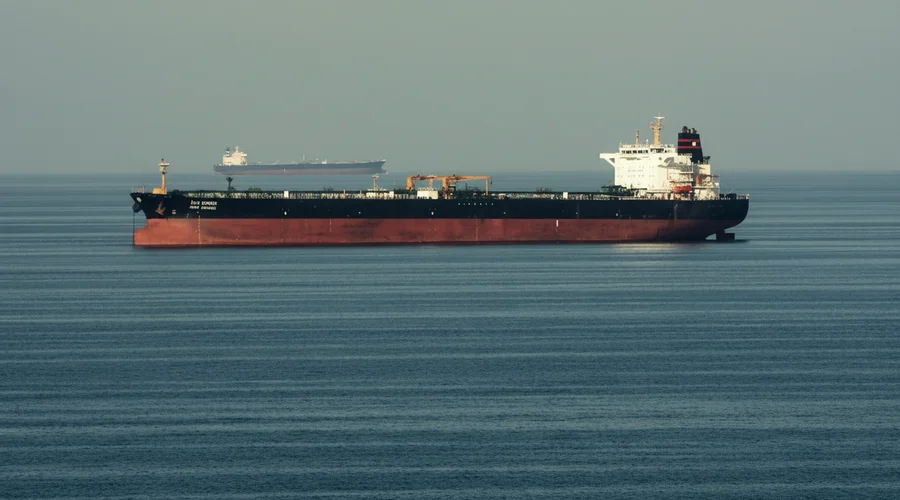
Discussions aimed at reopening the strategically vital Strait of Hormuz have become increasingly complex as both the United States and Iran have presented new conditions for an agreement. This development has raised significant questions about the likelihood of de-escalating the ongoing five-month conflict between the two nations. The Strait, a crucial passageway for approximately one-fifth of the world's oil and liquefied natural gas, has been largely inaccessible since the conflict began in late February.
While the U.S. has confirmed its direct involvement in these talks, Iran maintains that its direct negotiations are exclusively with Oman. Tehran has proposed a joint management framework for the waterway with Oman, suggesting a future where both nations oversee its operations.
Trump's Compensation Demands
In a recent statement, U.S. President Donald Trump indicated that he would seek reparations from Iran for fatalities and injuries resulting from conflicts and attacks spanning several decades. This announcement followed Iran's own demands for compensation related to the current conflict, with Tehran stating its refusal to reopen the Strait until its political and economic conditions are met. Addressing reporters at the White House, Trump asserted, “We’re going to ask for money for the damage they’ve done over a 50-year period.” He further elaborated on his Truth Social platform, suggesting Iran should compensate the families of 17 U.S. sailors who died in the October 2000 attack on the USS Cole in Yemen, an incident attributed to al-Qaeda, not Iran. Additionally, he called for compensation for families of Iranian protesters killed during anti-government demonstrations in January. Trump's post also linked Iran to damages and deaths in Lebanon, Syria, Yemen, and Gaza, stating, “Iran should be responsible for the damages and death caused to the people of Lebanon, Syria, Yemen, and Gaza!”
These demands from President Trump emerged after Iran had previously insisted on U.S. compensation for damages incurred during the current conflict, which also involved Israeli attacks. The strong rhetoric from the U.S. President appeared to contradict earlier statements from Vice President JD Vance, who had expressed confidence in reaching a beneficial agreement with Iran and noted Iran's assurance of having no plans to impose tolls on the Strait of Hormuz.
Despite Vance's optimism, oil prices experienced a more than 5 percent surge following Trump's new demands, with further increases noted as hopes for a swift resolution diminished.
Iran's Conditions for Reopening the Strait
Iran has articulated six new conditions through its Supreme National Security Council, which it states must be met before the Strait of Hormuz can be reopened. These conditions include:
- An immediate cessation of U.S. threats and perceived insults against Iran.
- A permanent end to attacks against Iran and its allies in Lebanon, Palestine, Yemen, and Iraq.
- The lifting of the U.S. naval blockade on Iranian ports.
- The withdrawal of U.S. naval and air forces from the vicinity of Iran.
- Compensation for damages from what Iran terms two “imposed wars,” referencing the conflict initiated on February 28 and the 12-day conflict with Israel in June 2025, in which the U.S. was also involved.
- The lifting of all sanctions.
- The unconditional release of all frozen Iranian assets.
Concurrently, Iran's Foreign Minister Abbas Araghchi reported significant progress in negotiations with Oman regarding a new shipping arrangement for the Strait of Hormuz, which includes defining new shipping lanes, stating these talks are in their “final stages.” Araghchi reiterated Iran's stance that no direct talks are occurring with the U.S., though messages are understood to be exchanged via intermediaries.
Implications for Broader Peace Talks
The hardening negotiating positions of both the U.S. and Iran over the Strait of Hormuz are creating significant skepticism about the prospects for a diplomatic breakthrough toward a comprehensive peace agreement. Analysts suggest that broader peace negotiations are unlikely to resume until the issue of the Strait's management is definitively resolved.
“Both sides appear to be putting forward maximalist demands ahead of serious negotiations,” commented Negar Mortazavi, a senior fellow at the Centre for International Policy. Mortazavi highlighted the particular sensitivity of Trump's latest demands: “Trump’s new demands are particularly problematic because they introduce issues that go beyond ending the current conflict. If compensation over protests and other past events becomes a genuine US condition for an agreement, rather than simply a negotiating position, it could make a deal extremely difficult for Tehran to accept.”
Conversely, Tehran is also seeking substantial assurances, not only for an end to the current hostilities but also guarantees that the conflict will not reignite in the future, alongside economic relief post-war. Iran has previously expressed a lack of trust in U.S. negotiators, citing three instances where the U.S. initiated attacks during ongoing talks.
According to Tehran-based political analyst Hossein Royvaran, the resolution of the Strait of Hormuz standoff will ultimately depend on which party demonstrates greater endurance. “This equation now exists: closure vs blockade. But the question is, who cries out first?” Royvaran stated. He noted the internal pressures faced by both nations: “Right now, America is suffering: in petrol prices, in inflation, in the rising cost of living at home. There is deep discontent inside America over this war and its consequences for society there. The same is true in Iran, though in Iran there are justifications society finds acceptable: that this war was imposed on Iran and Iran had no choice but to defend itself.”