The Shifting Landscape of Humanitarianism
As the world observes World Humanitarian Day, a critical examination of the current state of humanitarian work reveals a troubling trend. Historically, humanitarian action has been underpinned by a collective understanding that certain boundaries should remain inviolable, even amidst conflict. For generations, international agreements enshrined the protection of vulnerable children and medical personnel as fundamental legal rights. However, this consensus and the foundational principles of these laws appear to be diminishing.
A growing number of governments are failing to consistently uphold the rules-based order they once helped establish. Some openly disregard international law when it serves their interests, while others apply it selectively, condemning adversaries for violations while overlooking similar actions by allies. Many more remain silent during crucial moments when condemnation and decisive action are imperative. This erosion occurs when geopolitical and domestic interests are prioritized over legal obligations, leading to a corrupted and diminished humanitarian system. The result is inconsistent enforcement, a routine tolerance of excessive civilian casualties, and a dangerous normalization of previously unthinkable acts.
Impunity and Its Ramifications
The current environment fosters impunity, empowering those who violate laws designed for collective safety, as they often face no repercussions. This is particularly significant because humanitarian crises are not random occurrences; they are direct consequences of these transactional political decisions. Within this framework, the protection of civilians and aid workers is no longer viewed as a universal obligation but rather as a commodity—something to be bargained, withheld, or applied conditionally. Protection becomes a political investment, demanding a political return.
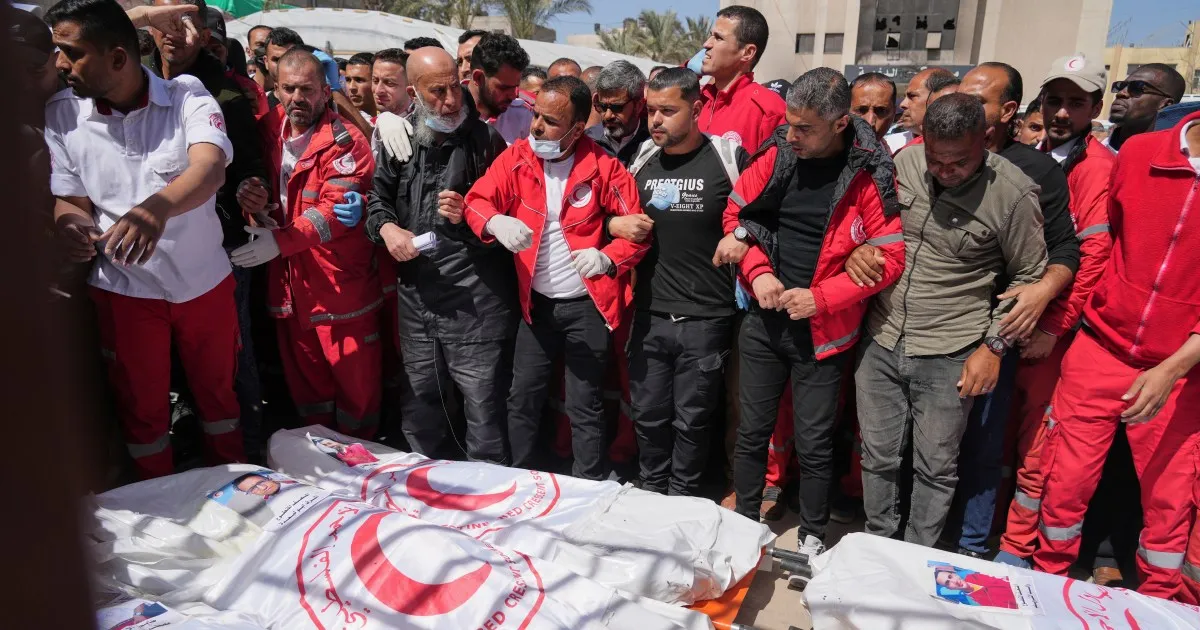
The human cost of this shift is stark. Over the past three years, at least 1,000 aid workers have lost their lives, a nearly threefold increase compared to the preceding three-year period. In 2025 alone, the United Nations reported hundreds of attacks on humanitarian operations, resulting in 350 aid worker fatalities, 322 injuries, 235 kidnappings, and 280 detentions. Organizations like Oxfam have also experienced significant losses, with five colleagues and partner staff killed in eight years and over 1,300 personnel caught in more than 1,200 security incidents. Disturbingly, the killing of aid workers often occurs in regions where belligerents are armed, financed, or protected by the very governments that fund humanitarian responses.
Obstacles to Aid Delivery and Funding Shortfalls
Beyond the issue of protection, humanitarian work is further hampered by various restrictions imposed by states. These often prevent aid workers from performing their essential duties. For instance, in December last year, Israeli authorities mandated that Oxfam and 36 other international organizations provide sensitive personal information about their staff to continue operating in Gaza and the West Bank. These demands, which jeopardized the rights and safety of personnel, were refused by all 37 organizations, leading to their deregistration. While this did not immediately halt operations for organizations like Oxfam, which are legally registered with the Palestinian Authority, it significantly impacted their ability to import goods, forcing reliance on local supplies whose prices have soared due to conflict and scarcity.
Humanitarian efforts are also critically undermined by dwindling financial support. In 2026, G7 nations enacted the largest aid cuts in history, reducing development assistance by nearly a third compared to 2024. This drastic reduction comes at a time when humanitarian needs are escalating globally, evident in the rapidly spreading Ebola outbreak in the Democratic Republic of the Congo and the ongoing famine in Sudan. These funding cuts, like vetoes of UN Security Council actions, decisions to override international court rulings, defunding of UN agencies, militarization of aid delivery, or politicization of distribution schemes by conflict parties, are fundamentally political choices.
Reaffirming International Humanitarian Law
International humanitarian law is universal and legally binding. It unequivocally mandates the protection of civilians and the facilitation of relief efforts. Starvation must never be used as a weapon, and aid workers, hospitals, water systems, schools, and shelters must remain immune from attack. Every assault on a humanitarian worker should trigger an independent investigation and, if a crime is proven, lead to prosecution. UN Security Council Resolution 2730, passed two years ago, specifically called for these measures.
The upcoming selection of the next UN Secretary-General will serve as a crucial test of collective responsibility. This process must ensure genuine accountability for those who violate international law. Restoring respect for the norms that safeguard all humanity is paramount. While World Humanitarian Day serves as a poignant reminder of the aid workers who have sacrificed their lives, remembrance without accountability and decisive action ultimately condones the unjustifiable. A more robust commitment is needed to #protectaidworkers.